

Key Takeaways:
-
Sagging Myths Debunked: Not wearing a bra doesn't directly cause sagging; genetics, aging, and life events like pregnancy have a bigger impact.
-
Support Prevents Sagging: Sports bras can reduce strain during high-impact activities, potentially minimizing sagging risk over time.
-
Smart Breast Care: Maintaining breast health involves listening to your body, choosing comfortable support, and strengthening chest muscles.
Have you ever wondered, “Does not wearing a bra cause sagging?” We’ve all heard the warnings—skip the bra, and gravity will do its worst. But is this really true, or just another myth?
Here at Saalt, we’re all about busting myths and empowering women with real information—on everything from periods, leaks, and yes, even bras. As makers of premium leakproof underwear for life’s messy moments (from postpartum changes to bladder leaks on your active days), and even bras, we care about giving you the facts so you can make the best choices for your body. And that sometimes means questioning the stories we’ve been told for generations.
So, does ditching your bra lead to sagging? The science says: not necessarily. Dr. Cassann Blake, a breast health specialist at Cleveland Clinic, debunks the myth, stating: "Wearing a bra doesn’t prevent your breasts from sagging, and not wearing one doesn’t cause your breasts to sag. Wearing a bra doesn’t affect the risk of breast sagging, or what is called ‘breast ptosis.’" Breast sagging, known as ptosis, is linked more to factors like genetics, age, pregnancy, weight changes, and gravity over time—regardless of whether you wear a bra or not. There’s no hard evidence that going braless causes sagging. In fact, some studies suggest that bras might weaken the chest muscles that help support your breasts naturally.
At the end of the day, the choice is yours. Whether you love the support of your favorite bra or prefer to go without, know that your comfort and confidence matter most. Bra or no bra, we’re here to support you—literally and figuratively.
How Does Breast Anatomy Work
The Role of Cooper’s Ligaments
Understanding your breast anatomy helps debunk myths like “going braless causes instant sagging.” Breasts are mostly made of fatty tissue and milk glands, held together by Cooper’s ligaments, which are web-like strands of connective tissue. Over time, these ligaments can stretch due to aging, pregnancy, weight changes, or simply gravity.
Importantly, breasts have no muscle of their own. While strong chest muscles (pectorals) underneath can provide a small amount of indirect support, they don’t actually “lift” your breasts. There’s also the skin, which stretches and loses elasticity as collagen breaks down with age—another natural process, regardless of bra use.
So, does not wearing a bra make breasts sag? Not really. Sagging (medically known as ptosis) depends far more on factors like genetics, age, weight fluctuations, and major life events like pregnancy or breastfeeding than on bra use. Cooper’s ligaments also don’t snap back once stretched, and wearing a bra 24/7 won’t stop natural changes.
Ultimately, gravity does its thing whether you wear a bra or not. Wearing or skipping a bra is a matter of comfort and preference—not a guarantee for preventing or accelerating sag.
Braless Benefits and Considerations
The question—does not wearing a bra cause sagging?—is surrounded by myths. Scientifically, breasts are made up primarily of fatty tissue, ligaments, and skin (not muscle). The Cooper’s ligaments, which provide support, stretch over time due to gravity, aging, pregnancy, weight changes, and genetics—regardless of bra use.
A 2013 French study by Jean-Denis Rouillon tracked 330 women for 15 years and found that those who went braless developed stronger pectoral muscles and experienced less sagging. His theory is that bras can weaken the body’s natural support. However, the study was small and limited mostly to younger women with smaller breasts, so it’s not definitive and the study was never peer reviewed.
Other research published in the Aesthetic Surgery Journal supports the idea that sagging is mainly driven by genetics, skin elasticity, size, lifestyle, and aging—not whether you wear a bra daily. While bras provide comfort and temporary lift, especially during exercise, they do not prevent sagging in the long run.
The bottom line: Not wearing a bra does not directly cause sagging. Staying healthy, maintaining good posture, and doing chest exercises may be more effective for breast support than relying on a bra. Ultimately, it’s about personal comfort and your unique body—not a one-size-fits-all rule.
Does Going Braless Lead to Sagging Over Time?
The belief that skipping a bra will automatically cause breasts to sag isn’t entirely accurate. Breast sagging (technically called ptosis) is mainly influenced by factors beyond your control: genetics, age, pregnancy, weight changes, and natural loss of skin elasticity. The role of bras in preventing sagging is less significant than many assume.
Some studies even suggest that going braless could strengthen the muscles supporting your breasts, potentially leading to a subtle lift. For example, one French study found women who went braless had slightly less sagging, although more research is needed to confirm this finding.
However, bras do provide comfort and support—especially for those with larger breasts or during high-impact activities like running. Without this support, repetitive motion could strain breast ligaments over time. Still, occasional bralessness is unlikely to make a big difference for most people.
Bottom line: breast sagging is a complex process and wearing—or not wearing—a bra isn’t the major factor. Choose what feels most comfortable for you and don’t stress about sagging myths. Your body, your choice!
Will a Sports Bra Help My Boobs Not Sag?
Does Muscle Strength Matter?
High-impact activities—running, HIIT, or a quick game of tag—can put serious strain on your chest. Breasts are supported mainly by the Cooper’s ligaments, which are not designed for repetitive, high-intensity movement; over time, this stress can lead to stretching and eventual sagging.
That’s where sports bras come in. A quality sports bra—especially those with compression or encapsulation design—doesn’t just control bounce; it redistributes force, taking the burden off those delicate ligaments. Research from the University of Portsmouth shows that a good sports bra can reduce breast movement by up to 74% during strenuous activity, lowering the risk of soreness and long-term stretching.
Skipping a sports bra while running, jumping, or doing cardio isn’t just uncomfortable; it could contribute to sagging over time. This is particularly true if you exercise frequently or already experience less natural support due to age or postpartum changes. From Under Armour's health guide: "Keeping breasts from swinging freely prevents Cooper’s ligaments and skin from stretching, which may eventually lead to breasts sagging and discomfort." Investing in a supportive sports bra protects your chest from unnecessary wear and tear. So, as you gear up for your next workout, remember: support up top isn’t just about comfort—it’s about prevention.
Tips for Maintaining Breast Health Without Discomfort
Caring for your chest shouldn’t mean sacrificing comfort or adding stress to your routine. Whether you're managing a busy schedule or staying active, these practical, science-backed tips can help you stay supported and comfortable.:
-
Prioritize Support, Not Restriction: Choose bras or support wear that don’t dig into your skin or restrict your breathing. For physical activity, look for sports bras with moisture-wicking fabrics that move with you, not against you.
-
Listen to Your Body: If you experience soreness, chafing, or persistent discomfort, don’t ignore it. Your breasts change over time, especially with pregnancy, menopause, or postpartum shifts. Adjust your bra style or size as needed to accommodate your body’s needs.
-
Keep It Clean and Dry: Sweat and moisture can cause irritation or infection, particularly if you deal with leaks or postpartum changes. Wash and thoroughly dry the area daily, and opt for natural, breathable fabrics like cotton for added comfort.
-
Strengthen the Foundation: Simple exercises—like wall push-ups and shoulder rolls—strengthen chest muscles and improve posture, helping reduce strain on your back and shoulders, especially if you have a larger bust.
-
Hydrate and Moisturize: Keep skin smooth and healthy by applying a gentle, fragrance-free lotion. Staying hydrated by drinking enough water also supports breast skin from the inside out.
These no-nonsense steps aren’t about perfection—they’re about respecting your body’s needs through every stage of life. Tune in to what works best for you and make adjustments as you go. Breast health is personal, so give yourself permission to choose comfort, and confidence, every single day.
Choosing the Right Support for You
Let’s cut through the noise; the idea that not wearing a bra causes sagging is just another outdated myth we’ve been fed for too long. Science backs this up—breast sagging is more about genetics, aging, and life’s big changes like pregnancy or weight fluctuations than whether you’re rocking a bra or going free. So, ditch the guilt and embrace what feels right for your body.
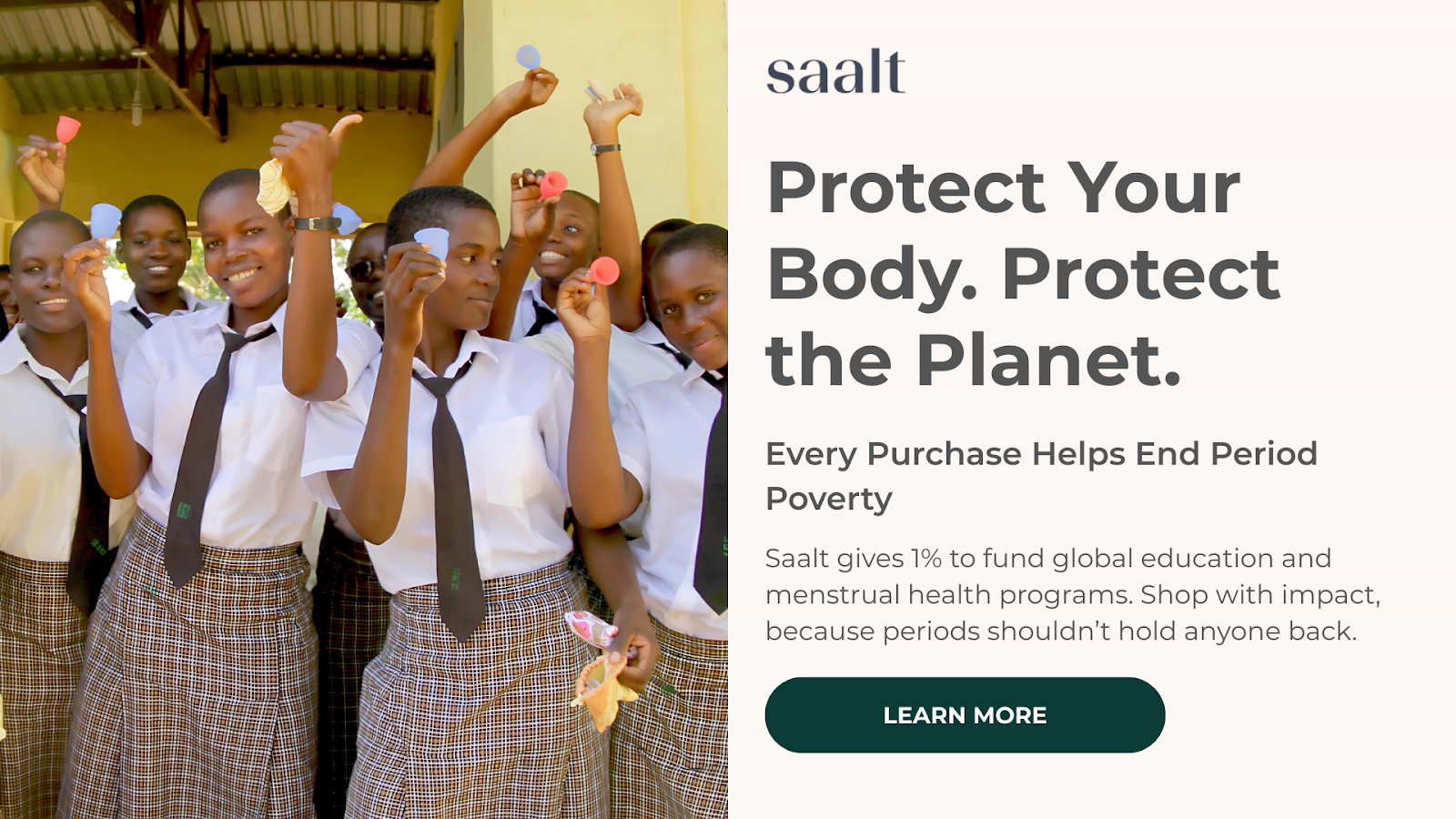
At Saalt, we’re all about empowering you through every stage of life, from those postpartum days to staying active as you age. Our leakproof period underwear is designed to handle bladder leaks, period flow, and everything in between, so you can move through your day with confidence—with a matching Saalt bra or no bra. Made without harmful PFAs and crafted with sustainability in mind, our products support you and the planet. Plus, as a B-Corp, we donate 1% of our revenue to period equity programs worldwide.
Whether you’re a mom juggling chaos or a teen navigating life’s leaks, Saalt has your back (and your front). Let’s stop worrying about myths and start living comfortably. Choose freedom, choose support, choose Saalt.
Also Read:
Frequently Asked Questions About Bras and Breast Sagging
Do bras prevent breast ligaments from stretching?
Here’s the deal: the Cooper’s ligaments—those tiny, fibrous structures that help support breast tissue—aren’t exactly sitting around waiting for a bra to save them. These ligaments stretch naturally over time due to gravity, hormonal changes, and life events like pregnancy or breastfeeding, which many of our Saalt community of moms and postpartum women know all too well. Bras can offer temporary support by reducing bounce during high-impact activities (think running or chasing after kids), but there’s no solid evidence they stop ligaments from stretching long-term. In fact, some experts argue that going braless might strengthen surrounding muscles, as they have to work harder. Bottom line: bras are a comfort or aesthetic choice, not necessarily a structural necessity.
Does going braless improve breast firmness?
This one’s a bit of a mixed bag, and the answer depends on who you ask. The theory behind going braless improving firmness comes from the idea that chest muscles, like the pectoralis major, get a better workout without a bra doing the heavy lifting. That 2013 French study I mentioned earlier hinted at this, with some braless participants showing slight improvements in breast elevation over time. But let’s be real—firmness isn’t just about muscle tone. Skin elasticity, fat distribution, and, yes, good ol’ genetics play huge roles. Going braless won’t turn back the clock, but it might help you feel more in tune with your body.
Does age affect breast sagging more than bra usage?
Absolutely, and this isn’t even a close contest. Aging is the heavyweight champ when it comes to breast sagging. As we get older—whether you’re a mom juggling postpartum life, staying active into your later years, or anywhere in between—skin loses collagen and elastin, the proteins that keep things perky. Hormonal shifts, especially during menopause, also thin out breast tissue, making sagging more pronounced. Add in life’s curveballs like pregnancy or significant weight changes, and it’s clear that time is the real player here, not whether you wear a bra. Studies consistently show that bra usage (or lack thereof) has a negligible impact compared to these natural processes. So, wear what feels good—whether that’s a bra for support or nothing at all—and trust that Saalt’s got you covered for all of life’s leaks, from teen years to golden years, with premium, eco-friendly leakproof solutions.


