


Key Takeaways:
- Prevent and Relieve: Discover how to prevent chafing before it starts and find effective relief methods.
- Where Chafing Happens: Learn about the common areas prone to chafing and understand the factors contributing to skin irritation.
- Remedies and Prevention: Explore home remedies and clothing choices, including eco-friendly options, to manage and prevent chafing comfortably.
Chafing is one of those annoying problems you rarely think about until it suddenly demands your attention. Whether it pops up during a morning run, a busy day chasing after kids, or simply walking in warm, humid weather, chafing can make even simple movements feel uncomfortable. If you’re also managing period flow or bladder leaks, that’s an extra layer of discomfort no one should have to endure.
Chafing occurs when skin rubs against skin or clothing, causing redness, irritation, and sometimes even painful sores. While it’s common on inner thighs, underarms, or below the bra line, it can happen anywhere friction and moisture meet. The key to stopping chafing is prevention. Choose moisture-wicking, breathable fabrics, like Saalt’s leakproof underwear, which help keep skin dry and protected. Always make sure your clothing fits properly; too tight or loose can both lead to unnecessary rubbing.
Applying anti-chafe balms or powders before activity can create a barrier that keeps irritation at bay. If chafing does occur, gently clean the skin with mild soap and apply a soothing ointment. Avoid further friction until healed. For many, switching to eco-friendly leakproof underwear, made without PFAs, designed for everyday movement, means less worry about both leaks and chafing. Remember, comfort should never be a compromise; choose solutions that work for your active, beautiful life.

Understanding What Chafing Is
Chafing is a very common skin issue that affects people of all ages and lifestyles. Simply put, chafing happens when repeated rubbing of the skin, either against other skin or against clothing, causes irritation. This friction disrupts the outer protective layer of your skin, leading to symptoms like redness, burning, stinging, and sometimes even painful rashes or blisters. The most frequent areas affected by chafing are parts of the body where skin folds touch each other or where there is continual movement. Common sites include the inner thighs, underarms, groin, nipples, and beneath the breasts. (Healthline)
Chafing isn't limited to athletes or people working out; it can happen to anyone during daily activities, especially in hot weather or when sweating. Factors such as tight or rough clothing, excess moisture from sweat or humidity, and prolonged movement can all increase the likelihood of chafing. For example, long walks, running, or even a day spent at the beach can lead to uncomfortable skin irritation if the skin isn’t protected, and on your period, added dampness from leaks (whether you use a menstrual cup or menstrual disc) can make friction feel even worse without breathable, well-fitting layers.
Ignoring chafing can make symptoms worse. Over time, continued friction can break the skin, making it vulnerable to infections. That’s why it’s crucial not just to treat chafing when it occurs, but also to take proactive measures to prevent it. Getting to know your own hot spots and triggers, choosing appropriate clothing, staying dry, and using protective creams or powders can all help keep your skin healthy and comfortable. Ultimately, understanding what chafing is equips you to move through life more comfortably and confidently.
Take On Chafing with Confidence—Try Saalt Leakproof UnderwearChafing doesn’t have to slow you down or keep you from feeling confident in your favorite activities. If you’re ready to say goodbye to discomfort and irritation, Saalt’s leakproof underwear is here to help. Here’s why thousands of women trust Saalt every single day:
Ready to stop worrying about leaks and chafing? Explore Saalt’s period pants collection and make uncomfortable moments a thing of the past. Find your perfect fit and enjoy worry-free movement, every day. |
Common Spots Where Chafing Strikes
Chafing doesn’t discriminate; it can show up almost anywhere skin rubs against skin or clothing, but certain areas are more vulnerable than others, especially during physical activities or hot, humid weather. Understanding where chafing is likely to occur is key to prevention and comfort.
Thighs: The inner thighs are perhaps the most notorious area for chafing. Whether you’re walking, running, or simply going about your day, constant friction from skin-to-skin contact or tight fabrics can quickly lead to redness, irritation, and even painful sores. Thigh chafing is particularly common during workouts and for people who wear skirts or shorts in warm weather.
Underarms: The delicate skin of the underarms is often subjected to repetitive motions, like swinging your arms during exercise, and close contact with seams or sleeves. This makes them another hot spot for chafing, especially if you perspire heavily or wear clothing that doesn’t breathe well.
Groin area: The groin sees plenty of movement, moisture, and friction, all of which can contribute to chafing. This area is especially susceptible during high-intensity activities or prolonged periods of physical movement, so breathable, well-fitting layers like leakproof panties on period days can help reduce dampness and rubbing.
Bra line and underbust: For those who wear bras, the underbust and bra line are sensitive areas prone to rubbing from ill-fitting bands or trapped sweat. Improper support or movement can increase the risk of chafing here.
Nipples and feet: Runners often experience nipple chafing from repetitive fabric contact. Similarly, feet and the area between the toes frequently develop blisters and chafing from shoes, socks, or prolonged activity.
Knowing your chafing-prone zones can help you take proactive steps, like choosing the right clothing or using protective products, to keep skin healthy and irritation-free.
Why Skin Rubbing Leads to Irritation
Chafing is a widespread issue that occurs when the skin is exposed to repeated friction, usually from skin rubbing against itself, clothing, or other materials like padding or athletic gear. This ongoing friction gradually wears down your skin’s natural barrier, leading to microscopic tears that compromise the protective outer layer. With the barrier damaged, it becomes much easier for sweat, bacteria, and even salt from perspiration to penetrate, triggering inflammation and further irritation. This often results in uncomfortable symptoms like redness, swelling, itchiness, burning sensations, and, in severe cases, painful raw patches or blisters. (Cleveland Clinic)
Moisture plays a significant role in worsening the effects of skin rubbing. When your skin gets wet—whether from sweat, rain, or high humidity—it softens. Softer skin is more prone to damage from friction and can tear or blister more easily. Factors such as tight or ill-fitting clothing, repetitive movements (like running, power walking, or cycling), sensitive skin, and certain fabrics (such as coarse or non-breathable textiles) also raise your risk of chafing, and if you’re on your period, it can help to pair breathable layers with a cup for period to minimize dampness. Even seemingly minor details, such as how underwear seams are sewn or the presence of tags inside clothing, can increase irritation.
Once chafing begins, each subsequent movement can feel even more painful, sometimes resembling the effect of sandpaper on sunburn. Since chafed skin is left raw and exposed, it’s also more susceptible to infections and ongoing discomfort. Understanding why and how skin rubbing leads to irritation is the first step in preventing and managing chafing, helping you keep your skin healthy, comfortable, and free from pain.
Early Signs Your Skin Is Getting Chafed
Chafing can sneak up on you, especially when you’re running errands, tackling a workout, or just trying to get through a busy day. Spotting the early signs before things get uncomfortable or painful can help you take action fast and keep feeling your best.
Here’s what to look out for:
- Redness: One of the first giveaway signs that your skin might be on the road to chafing is a pink or red patch, especially in areas where skin or fabric rubs together; think thighs, underarms, bra lines, or the spot where your waistband sits.
- Burning Sensation: If you notice your skin feels hot, tingly, or just “off” in a specific area, that's often chafing in its early phase. Pay attention to these subtle messages your body is sending especially if you’re wearing period underwear, since adjusting fit or changing into a drier pair can help prevent friction from getting worse.
- Itchiness: An itch that keeps surfacing is another early warning. Resist the urge to scratch, as it can worsen irritation and invite bacteria.
- Irritation or Mild Stinging: Even a low-key sting, especially after a walk or at the end of the day, shouldn’t be ignored. This mild discomfort can quickly turn into full-blown chafing if not addressed.
- Slight Swelling: In some cases, gentle swelling might pop up before you see redness or feel burning. This usually means the skin’s barrier is being compromised.
Everyone’s skin is unique, but tuning in to these early indicators will let you step in early with prevention tactics, long before you’re reaching for ointment. Stay vigilant, and your skin will thank you.
Home Remedies That Actually Work
When chafing strikes, you don’t have to run to the pharmacy for every solution. Some of the best remedies might already be in your bathroom cabinet or kitchen. Try these tried-and-true approaches for relief and prevention, especially if you’re wearing period panties and want to stay comfortable all day:
- Coconut Oil or Petroleum Jelly These natural barriers coat and soothe your skin, providing a slick layer that reduces friction. Apply a thin swipe to areas prone to rubbing; think inner thighs, underarms, or below the breasts, and reapply after sweating or showering. (Medline Plus)
- Cool Compresses Red, irritated skin gets quick comfort from a cool, damp washcloth or an ice pack wrapped in a towel. Hold it gently against the chafed area for 5-10 minutes to bring down swelling and calm the sting.
- Oatmeal Baths Oatmeal’s soothing properties aren’t just hype. Add a cup of colloidal oatmeal to a lukewarm bath and soak for 10-15 minutes. It helps reduce itching and inflammation, making it especially handy after workouts or hot days.
- Cornstarch or Talc-Free Baby Powder A light dusting keeps skin dry and minimizes friction. Just be sure to choose a talc-free formula for safety, and shake off any excess. Use it before physical activity or after showering.
- Aloe Vera Gel This classic sunburn soother also works wonders on chafed skin. Aloe vera cools, hydrates, and encourages healing. Use the pure gel directly from the plant or a fragrance-free store-bought version.
- Hydration & Breathable Fabrics Stay hydrated to keep your skin resilient, and choose loose, moisture-wicking clothing that allows for airflow. Breathable cotton underwear and sweat-wicking activewear are your first defense when temperatures or activity levels rise especially on your period, when pairing comfy layers with a period cup can help you stay drier and reduce friction.
Tweak your daily routine with these remedies, and you’ll make chafe-induced discomfort a thing of the past.
Take Control of Chafing—Comfort Is Possible
Chafing can be an uncomfortable, even painful, part of life, but it doesn’t have to be inevitable. By planning ahead with the right products, wearing moisture-wicking and friction-reducing fabrics, and keeping skin dry and healthy, you can minimize the aches and annoyances that chafing brings. Whether you’re getting back into exercise postpartum, navigating life’s daily sprints, or just want to move more comfortably, prevention is absolutely within reach.
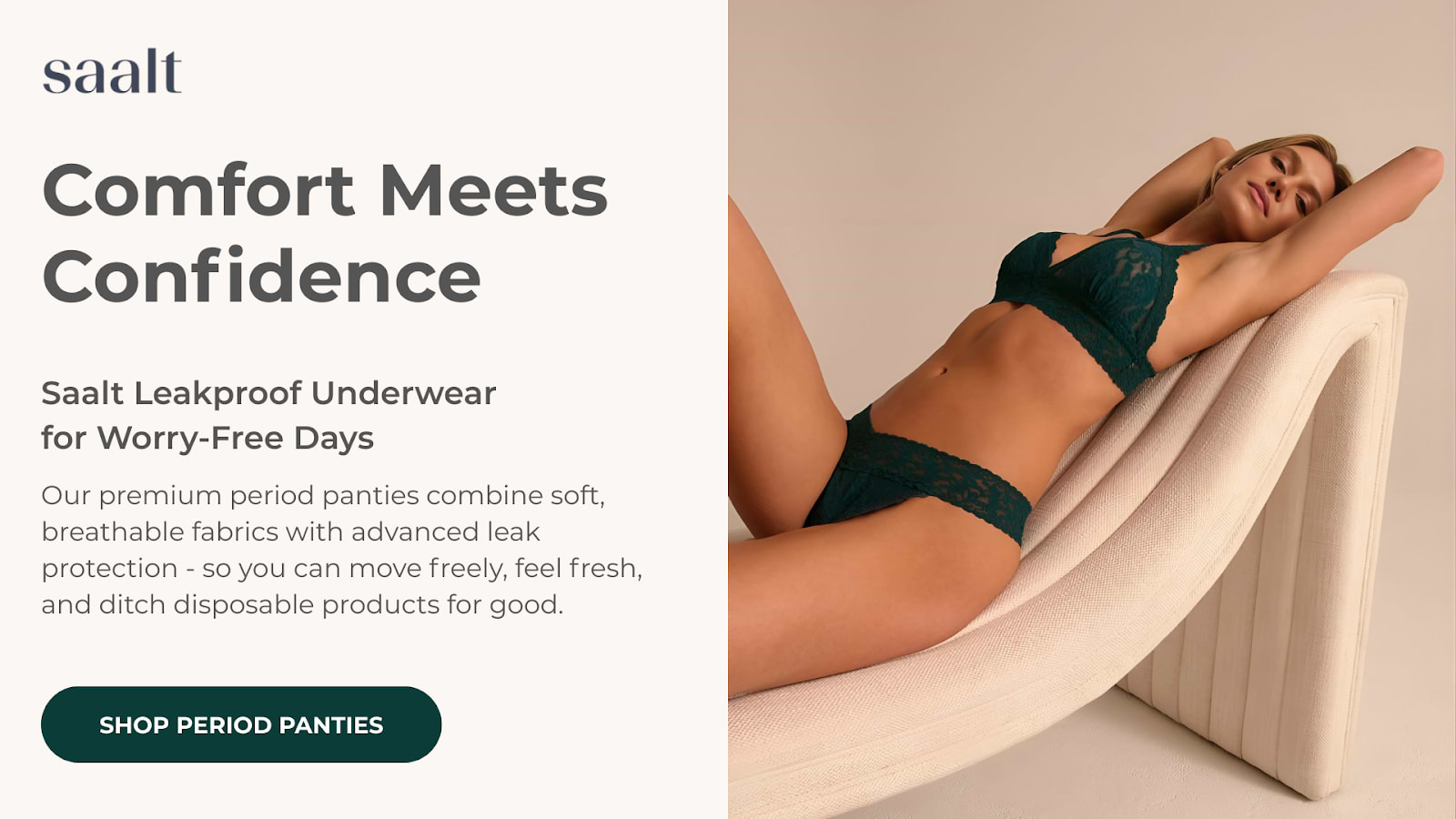
At Saalt, we know that discomfort isn’t just about inconvenience; it can truly interrupt your daily joy. That’s why our leakproof underwear is designed with soft, sustainable fabrics and features to help you stay dry, protected, and comfortable, no matter what life throws your way. If you use internal period products like menstrual cups, pairing them with breathable leakproof underwear can add peace of mind while helping reduce that damp, friction-prone feeling that can contribute to irritation.
From the first signs of puberty to every stage of womanhood, our products aim to empower you to live freely, without worrying about leaks or irritation. And if menstrual discs are more your style, comfortable, supportive underwear can still make a difference on long days when movement, heat, and moisture would otherwise increase your chafing risk. Plus, our commitment to sustainability, charitable giving, and safe textile production means you can feel good about every choice.
You shouldn’t have to compromise your well-being or confidence because of chafing. Try some of these prevention tips today, and if you’re seeking next-level comfort for leaks or period protection, discover how Saalt can help you move through every season of life, chafe-free.
Read Also:
- How to Heal Chafing Overnight: Fast Relief Tips
- How to Get Rid of Inner Thigh Odor: Causes, Remedies & Prevention
- Period Underwear: A Sustainable and Comfortable Option
Frequently Asked Questions About How to Stop Chafing
Why does chafing occur?
Chafing happens when your skin experiences repetitive friction, often from skin rubbing against skin or clothing. This can lead to sore, red patches that feel raw or even burn. Factors like sweat, moisture, and heat can make chafing worse, especially in areas like the inner thighs, underarms, under the breasts, and anywhere your skin is in regular contact or pressure.
What are common symptoms of chafing?
Common symptoms of chafing include redness, irritation, tenderness, and sometimes mild swelling. You might also notice a stinging or burning sensation, and in more severe cases, there could be minor bleeding or the skin might even start to crack. Chafing can disrupt your day and make it uncomfortable to move freely.
How can I prevent chafing during exercise?
To prevent chafing while exercising, start with properly fitting clothing made out of soft, moisture-wicking fabrics. Apply anti-chafing balms or barrier creams to areas prone to rubbing before you work out. After exercise, change out of sweaty clothes as soon as possible and keep your skin clean and dry. Products like Saalt leakproof underwear, designed for comfort and breathability, can help reduce the risk of chafing while supporting you through all of life’s stages.
What clothing materials help reduce chafing?
Look for smooth, seamless garments made from soft fabrics like nylon, polyester blends, or sustainably sourced modal that minimizes rubbing and irritation. Avoid rough or scratchy fabrics that can exacerbate the friction. Saalt’s leakproof underwear is designed with comfort in mind, using materials that are gentle, chemical-safe, and designed to stay smooth on your skin all day.
Do moisture-wicking fabrics help prevent chafing?
Absolutely! Moisture-wicking fabrics pull sweat away from your skin, helping keep you dry and comfortable. This is key because excess moisture can soften the skin and make it more susceptible to chafing. Saalt’s leakproof underwear, available in several absorbencies and styles, uses moisture-wicking technology to support active lifestyles and minimize the risk of irritation.
Sources:
- Norris, T. (2019, March 8). How to treat and prevent chafing. Healthline. https://www.healthline.com/health/chafing#What-is-chafing
- Chafing. (2025, December 11). Cleveland Clinic. https://my.clevelandclinic.org/health/diseases/23517-chafing
- Chafing: MedlinePlus Medical Encyclopedia. (n.d.). https://medlineplus.gov/ency/article/002034.htm


