


Key Takeaways:
· Beginner Cup Guide: Beginners can find the right menstrual cup by considering size, shape, and flexibility based on their unique needs and lifestyle.
· Insertion and Removal: Mastering insertion and removal techniques is key to achieving a comfortable, leak-free experience with menstrual cups.
· Confident Period Freedom: Menstrual cups not only offer eco-friendly, cost-effective benefits but also empower users with increased confidence and freedom during their periods.
Starting your journey with menstrual cups can feel like learning a foreign language. The idea sounds liberating: no more racing to the bathroom, no more “just in case” pads stashed in every bag, and finally, a real break for your wallet and the planet. But as a first-timer, you’ve probably got questions. How do they work? Will they leak? Is getting them in (and out) really as tricky as people say? Is it normal to feel a little overwhelmed by that tiny menstrual cup?
If you’re searching for honest, actionable advice on menstrual cups for beginners, you’re in the right place. At Saalt, we’ve talked to thousands of people—from teens and postpartum moms, active adventurers to anyone tired of tie-around-the-waist hacks—who all wondered the same things you do. You deserve period care that works with your body, your lifestyle, and your values. No more leaks. No more panic. No more waste.
In this guide, we’ll walk you through everything you wish you’d known before trying a menstrual cup for the first time. We’ll break down the basics, answer the “am I doing this right?” questions, and share tips to help you feel confident—so you can spend less time worrying and more time living life leak-free (hello, white jeans!). Let’s get started on your path to happier, healthier periods—because your monthly flow deserves better.
Choosing Your First Cup: Sizing, Shape, and Flexibility
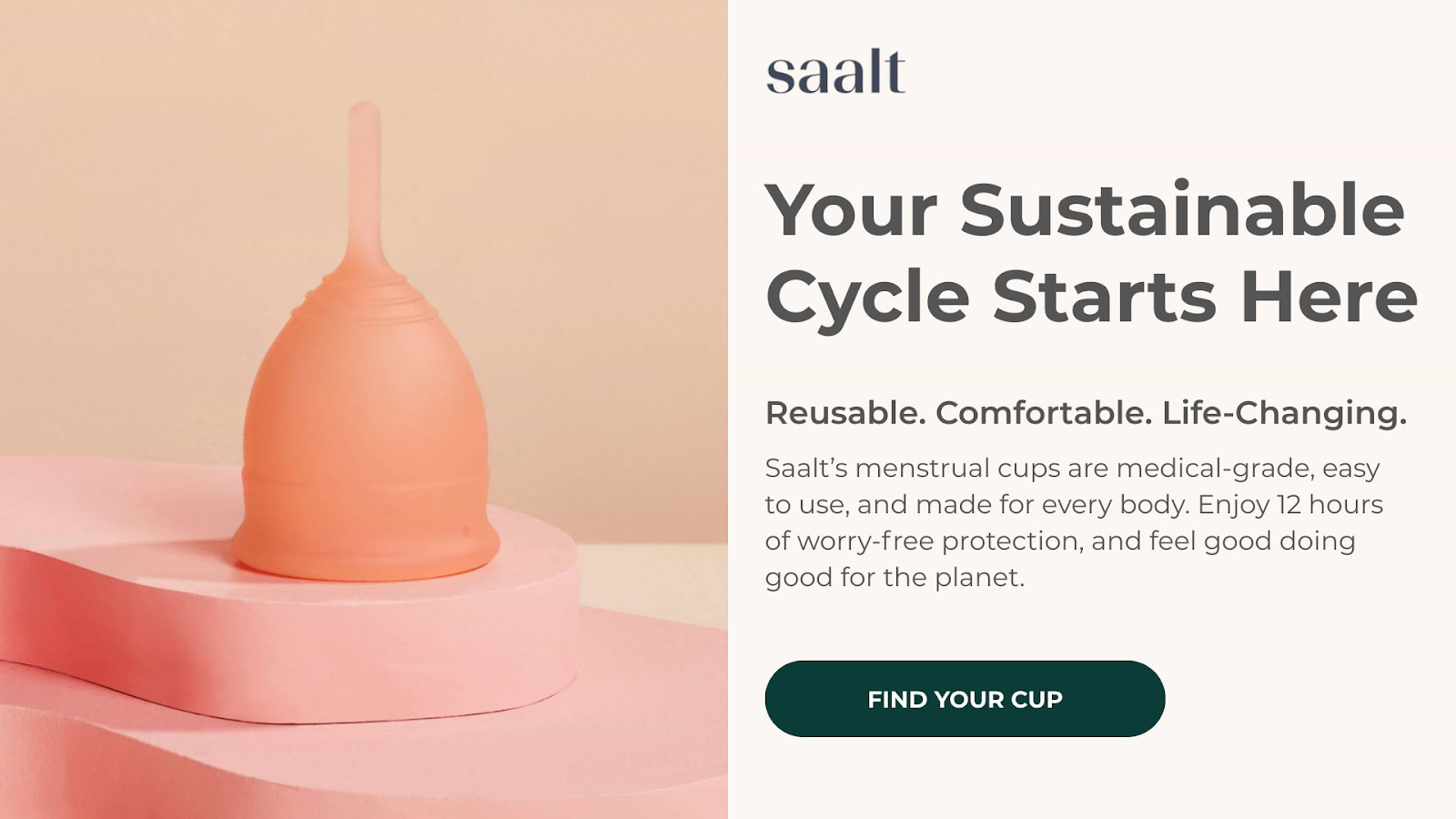
Starting out with menstrual cups can feel overwhelming, but the right choice comes down to three main factors: size, shape, and flexibility. Matching your unique body and lifestyle to the right cup can make periods more comfortable and stress-free. The Saalt Teen Cup is regarded as the best menstrual cup for young people or beginners.
Sizing: Why It Matters
Period cups typically come in small, medium, or large sizes, but sizing isn’t just about your flow. Consider your cervix height, age, childbirth history, and pelvic floor strength. Generally, those with a heavier flow, who have given birth, or who are over 30 may need a larger cup, while younger users or people who haven’t had penetrative sex often prefer smaller cups. To find your cervix height, gently insert a clean finger during your period [into your vaginal canal]—if you touch your cervix easily, it’s low; if not, it’s high. Match your cup’s length to your cervix height for the best fit. (Mayo Clinic) Here’s a helpful video that shows how to measure your cervix.
Shape: Not All Cups Are Created Equal
Bell-shaped cups with a softer rim are ideal for people with a low cervix, as they sit lower and are easier to remove. V-shaped cups sometimes hold more and are best for those with a high cervix or heavier periods. Pay attention to the cup’s stem, too—longer stems make removal easier, but shorter or ball-shaped stems can be more comfortable. Pro-tip: Most period cup stems aren’t there for cup removal. They exist so you can find the base of your cup of which you pinch for cup removal.
Flexibility: Soft vs. Firm
Soft cups are comfortable for sensitive users or those prone to cramps, but firmer cups pop open easier and are less likely to leak for people with active lifestyles. If you’re sporty or on-the-go, firmer may be better; if you’re sensitive, choose a softer cup.
Finding your best menstrual cup might take a little experimentation, but prioritizing fit and comfort means you’ll enjoy a more confident, worry-free period experience.
Ready to Try Menstrual Cups? Take the Next Step with SaaltMaking the switch to menstrual cups as a beginner is a game-changer for your comfort, confidence, and the planet. At Saalt, we know that trying something new can be a little daunting, but we’re here to support you—every step, cramp, and leak of the way. Our premium reusable menstrual cups are thoughtfully designed for first-timers and lifelong fans alike. Here’s why Saalt is the go-to choice for women at every stage: · Premium Materials: Hypoallergenic, medical-grade silicone for safe, comfortable wear—no harsh chemicals, PFAs, or BPAs. · Sustainable Mission: Say goodbye to waste and hello to eco-friendly periods. Saalt is a certified B Corp, committed to less waste and more impact. · Leakproof Back-Up Solutions: Pair your cup with Saalt’s leakproof underwear for worry-free days and nights—available in absorbencies and styles for every body. · Inclusivity for All Life’s Leaks: From teenage years to postpartum changes and bladder leaks, Saalt empowers you through every stage of womanhood. · Period Equity: Every purchase pays it forward. Saalt donates 1% of sales to initiatives that support period dignity and access—globally. Feel ready? Join thousands of people who’ve already discovered the Saalt difference. Visit our shop today and start your journey to a worry-free, sustainable period. |
How a Menstrual Cup Works (and Why It’s a Game-Changer)
Let’s break down the basics: a menstrual cup is a small, flexible, medical-grade silicone or TPE-made cup that you fold and insert into your vagina to collect—rather than absorb—your menstrual flow. Once in place, it springs open, forms a gentle seal with your vaginal walls, and sits comfortably below the cervix, effectively catching every drop.
Unlike pads and tampons that rely on absorption, cups work by collection, which means no bulky feeling, no dryness, and no risk of fibers left behind. When it’s time to empty, just remove the cup, safely pour away the contents, give it a rinse, and it’s ready to go again. Most cups can be worn for up to 12 hours, depending on your flow, giving you serious freedom through workdays, overnight sleep, or even long hikes. (National Library of Medicine)
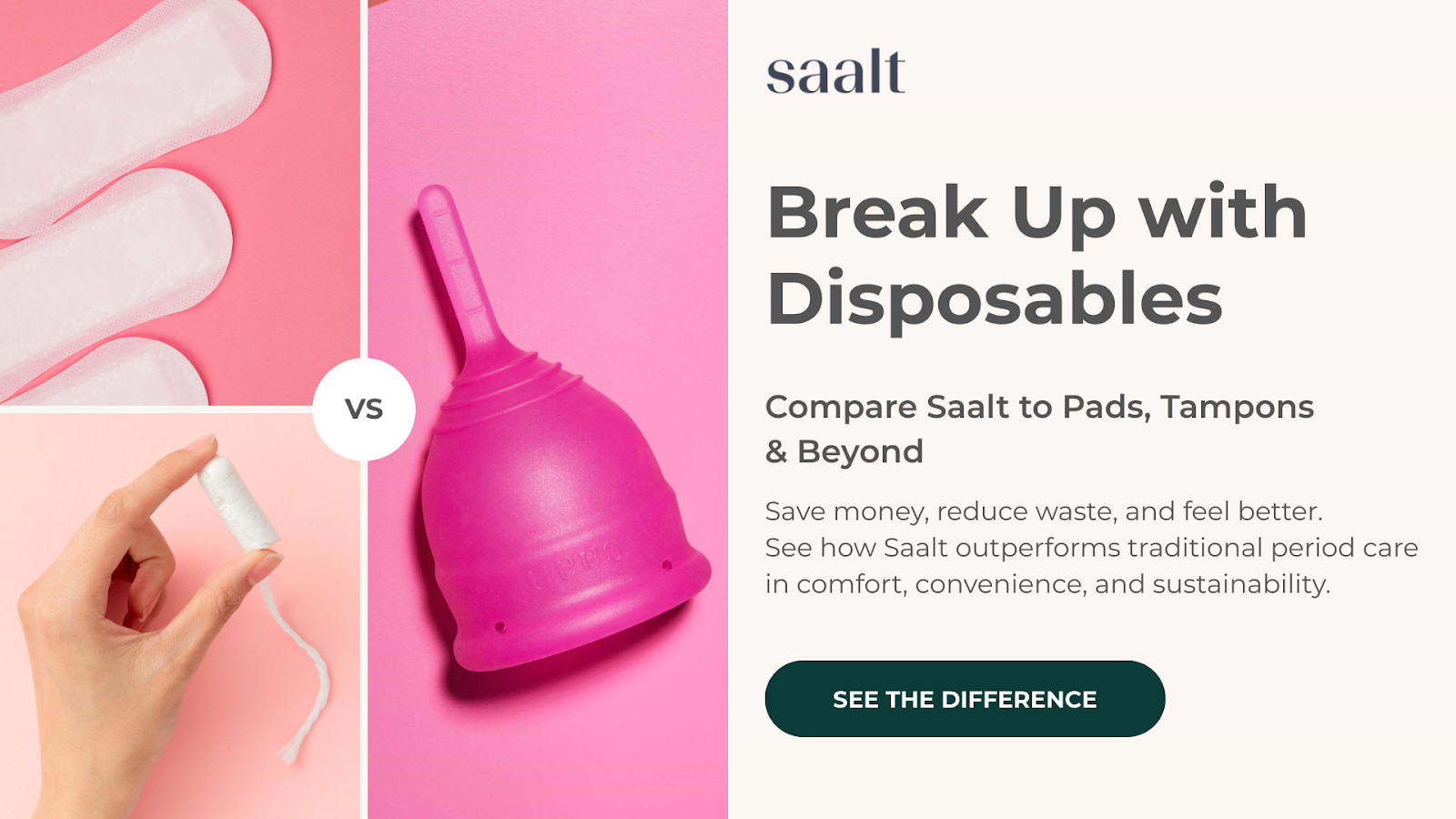
So why are menstrual cups hailed as a total game-changer? For starters, they’re reusable—no more scrambling for supplies or generating piles of landfill waste each month. With a little practice, getting the hang of insertion and removal becomes second nature, and many users find cups can reduce period odor, leaks, and that heavy, “always changing something” mental load. Plus, cups hold more than most tampons or pads, letting you stay active and in control of your day—whether you’re chasing kids, crushing a spin class, or just catching up on sleep.
First-Time Fold Guide: C-Fold, Punch-Down, and More
Choosing the right fold for your menstrual cup makes insertion much easier, especially if you’re a beginner. Here’s a quick guide to the most popular folds:
C-Fold (U-Fold)
This is the classic beginner fold. Simply flatten the cup, then fold it in half to create a “C” or “U” shape. It pops open easily and is a go-to for many first-timers.
· How-to: Flatten the cup, fold in half, and insert.
Punch-Down Fold
If you want a narrower tip for easier insertion, try the punch-down fold. Push one side of the rim down into the base to create a pointed tip, squeeze together, and insert.
· How-to: Push rim down, squeeze sides together, and insert with the pointed end up.
7-Fold
This fold combines slimness and firmness. Flatten the cup, then fold one top corner diagonally down to the opposite side to form a 7-shape. Pinch and insert.
· How-to: Flatten, fold corner down diagonally, and insert.
Labia Fold
Need the smallest possible insertion point? Pinch one side of the rim in, then roll the other side over it, forming a compact tip.
· How-to: Pinch in one side, roll the other over, hold, and insert.
Which Fold is Best?
There’s no one-size-fits-all. Try different folds and see what feels best. Many start with the C-Fold, then transition as they find their comfort zone. Experiment to discover your leakproof, comfortable routine! Here’s a helpful video showing how to fold your menstrual cup.
Getting the Perfect Seal: Insertion Tips from Real Users
Using a menstrual cup for the first time can be a little daunting, but achieving a perfect seal is the key to a leak-free, comfortable experience. Here’s what real users suggest:
1. Find Your Fold. Explore different folding methods like the C-fold or punch-down fold until you discover what makes insertion easiest for you. There’s no one-size-fits-all—experimentation is normal!
2. Relax Your Muscles. Ease nerves by breathing deeply and relaxing your body. Many users suggest squatting or inserting the cup in the shower when your muscles are less tense. Choose a position that feels effortless.
3. Aim Correctly. Real users recommend angling the cup horizontally towards your tailbone, not directly upward, to align with your natural anatomy. This makes for smoother insertion.
4. Ensure It Pops Open. After the cup is in, gently rotate the base or run your finger around the rim to confirm it’s fully open. If you feel any folds or indentations, adjust the cup until you sense it’s round and well-sealed.
5. Check the Seal. Tug the stem gently; if you feel resistance, you’ve got a solid seal. If the cup slides out easily, try repositioning.
6. Comfort Comes First. The cup might sit lower than a tampon, or the stem may stick out a bit. As long as you’re comfortable and it’s not causing irritation, your placement is just fine. Trim the stem if it bothers you (if the cup’s design allows).
Remember, practice makes perfect—everybody is unique, and most users need a few cycles to master their technique. Don’t hesitate to seek advice from the menstrual cup community. With a little patience, you’ll find your perfect seal!
Removal Without the Panic: Step-by-Step Basics
Removing your menstrual cup for the first time might feel daunting, but with a few simple steps, you can make the process stress-free. Here’s how to do it comfortably and safely:
1. Wash your hands Start by washing your hands thoroughly to prevent introducing bacteria. Clean hands are essential for both your health and comfort. (Healthline)
2. Get comfortable Choose a position that feels natural—many prefer sitting on the toilet, squatting, or standing with one leg raised. Breathe deeply to relax your pelvic muscles.
3. Locate the cup Gently insert your fingers and locate the stem or base of the cup. The stem helps you find the cup, but don’t remove it by pulling just on the stem.
4. Pinch the base When you reach the base, pinch gently to release the suction seal. This makes removal much easier and more comfortable.
5. Rock and wiggle Slowly and gently rock the cup from side to side as you pull it out. Keep it upright and go slow—if you meet resistance, relax and try again after a breath.
6. Empty and rinse Once removed, empty the contents into the toilet. Rinse your cup thoroughly with water. If you’re still on your period, reinsert as usual; otherwise, clean and store it in a breathable pouch until next time.
Removal takes a bit of practice but soon becomes second nature. Take your time, relax, and remember that it's normal for the first few times to feel awkward. With patience, menstrual cup removal will quickly become just another simple part of your routine.
Embrace the Confidence That Comes With Menstrual Cups
Adopting a menstrual cup for the first time is a bit like unlocking a whole new level in life—sure, there’s a bit of a learning curve, but so many women wish they’d made the switch sooner. Menstrual cups for beginners may feel intimidating, but remember: every expert was once a novice. It’s okay to have questions, fumble your first removal, or try more than one brand and size before you find your perfect fit.
At Saalt, we’re passionate about making your period—not to mention bladder leaks and all those “just-in-case” moments—a whole lot simpler. Switching to a premium, reusable Saalt cup puts comfort, confidence, and sustainability at the forefront. With our commitment to safe, effective products and a mission to support women everywhere, you’re never alone on this journey to leakproof living.
So here’s to less panic, more freedom, and an eco-friendly period routine you can truly believe in. When you’re ready to make the change, Saalt has your back (and your underwear). Welcome to a whole new period experience—you’ve got this!
Read Also:
Frequently Asked Questions About Menstrual Cups for Beginners
How does a menstrual cup work?
A menstrual cup is a reusable, soft, and flexible cup made from medical-grade silicone. Instead of absorbing menstrual fluid like tampons or pads, the cup gently seals against your vaginal walls and collects your flow. Once inserted, it can typically be worn up to 12 hours—allowing for fewer bathroom trips and providing reliable protection from leaks. When full, simply empty, rinse, and reinsert.
How do I choose the right size menstrual cup?
While cup sizing varies by brand, most offer at least two sizes. Generally, if you’re under 30 and haven’t given birth vaginally, a smaller size works best. If you’re over 30, have given birth vaginally, or have a heavier flow, go for a larger size. Some brands also consider your cervical height or pelvic floor strength. When in doubt, check the sizing guide and reach out to customer support for tips. Saalt retails a teen period cup ideal for first timers and beginners.
How do I fold and insert a menstrual cup?
There are a few popular folds for insertion. The most common are the “C-fold”, where you pinch the cup in half to make a C shape, and the “Punch-down fold”, where you push one edge down into the base. Always wash your hands first. Get into a comfortable position (squatting, sitting on the toilet, or standing with one leg raised). Insert the folded cup rim-first, angling slightly back toward your tailbone. Let it open up fully inside you, then twist or gently pinch the base if needed to help it seal. You shouldn’t feel more than mild pressure if it's placed correctly.
How far should I insert my menstrual cup?
Your cup should sit lower than a tampon—just below your cervix, with the stem completely inside. You should be able to reach the base comfortably for removal later. If the stem sticks out or causes irritation, you can trim it (without damaging the cup). Anatomies differ, so it may take a few tries to find your best fit and placement. Listen to your body and adjust as needed—it’s all about comfort and avoiding leaks.
Sources:
-
Healthline. (2019, April 9) Everything You Need to Know About Using Menstrual Cups. https://www.healthline.com/health/womens-health/menstrual-cup#how-to-use. Accessed November 28, 2025.
-
Mayo Clinic. (2016, March 24) Menstrual Cups vs. Tampons: Things You Might Not Know. https://newsnetwork.mayoclinic.org/discussion/menstrual-cups-vs-tampons-things-you-might-not-know-about-the-cup/. Accessed 28 November 2025.
- National Library of Medicine. (2019, July 16) Menstrual cup use, leakage, acceptability, safety, and availability: a systematic review and meta-analysis. lhttps://pubmed.ncbi.nlm.nih.gov/31324419/. 28 November 2025


