


Key Takeaways:
- Physical And Emotional Changes: Growth spurts, new hair development, and vaginal discharge are common signs that a first period may be approaching.
- Conversation Builds Confidence: Honest, open talks about physical changes in the body can help teens and tweens feel informed, supported, and less intimidated as they prepare for menstruation.
- Every Journey Is Different: No two experiences look the same, and celebrating your child’s unique timeline encourages self-discovery, resilience, and a positive outlook on this new stage of life.
Chances are, your daughter is growing up fast, and you’re wondering if her first period might be around the corner. The early days of puberty can feel like uncharted territory for both of you, so it helps to know what to expect. The truth is, periods don’t have to be confusing or intimidating. With the right resources, this transition can be met with confidence, care, and a sense of empowerment.
At Saalt, we’re on a mission to rewrite the narrative around period care by making it simple, sustainable, and supportive of every body. Together, we can give every person with a period (including your loved ones) the dignity and respect they deserve, with menstrual care and information designed for real life. By keeping the dialogue open and offering practical tools, we can help the next generation celebrate their cycles as a natural part of growing up.
This guide is here to walk you through the signs your daughter is about to start her period, from the noticeable physical changes you can expect to the emotional shifts that often come with them. Recognizing these signals can help turn embarrassing questions into meaningful conversations, allowing your child feel prepared rather than caught off guard.
Let’s Talk Periods: Why Do They Happen?
Although boys and girls both go through puberty, the changes happen on different timelines and look different for each body. For people with periods, menstruation is one way the body shows that puberty is underway and the reproductive system is working as it should. Each month, hormones like estrogen and progesterone signal the uterus to build a soft lining in case a fertilized egg needs a place to grow. If no egg is fertilized, that lining sheds and leaves the body as menstrual blood.
This cycle usually takes about a month, which is why periods typically arrive every 4–5 weeks. While a first period can feel overwhelming at first, it can help to reframe it as simply another one of the body’s natural rhythms, like breathing. At the end of the day, periods are simply a part of growing into a healthy adult.
When Do Periods Usually Start?
Most girls get their first period (called menarche) between ages 10 and 15, with the average age being 12. It’s perfectly normal for it to come earlier or later, since genetics, health, and even stress can all play a role. Before that first flow, there are often telltale signs your period is coming for the first time. First period symptoms can include breast development, hair growth under the arms or in private areas, and sometimes clear or whitish discharge.
Talking About Periods With Openness
Wondering how to know when your daughter will start her period? The best place to begin is to simply talk to her. Create a safe space where every question is welcome, even the ones that might feel a little TMI. As you listen and respond to her concerns without judgment, remind her that everyone operates on a different schedule. Her first period may come earlier or later than her friends’, and that’s okay! Validating her feelings, whether she’s nervous, excited, or curious, can go a long way in making these changes feel less scary. By framing period care as a normal part of self-care, like brushing teeth or washing hands, you can replace fear with confidence and give her the reassurance that she’s ready for this next stage.
Researching Period Care Options Together
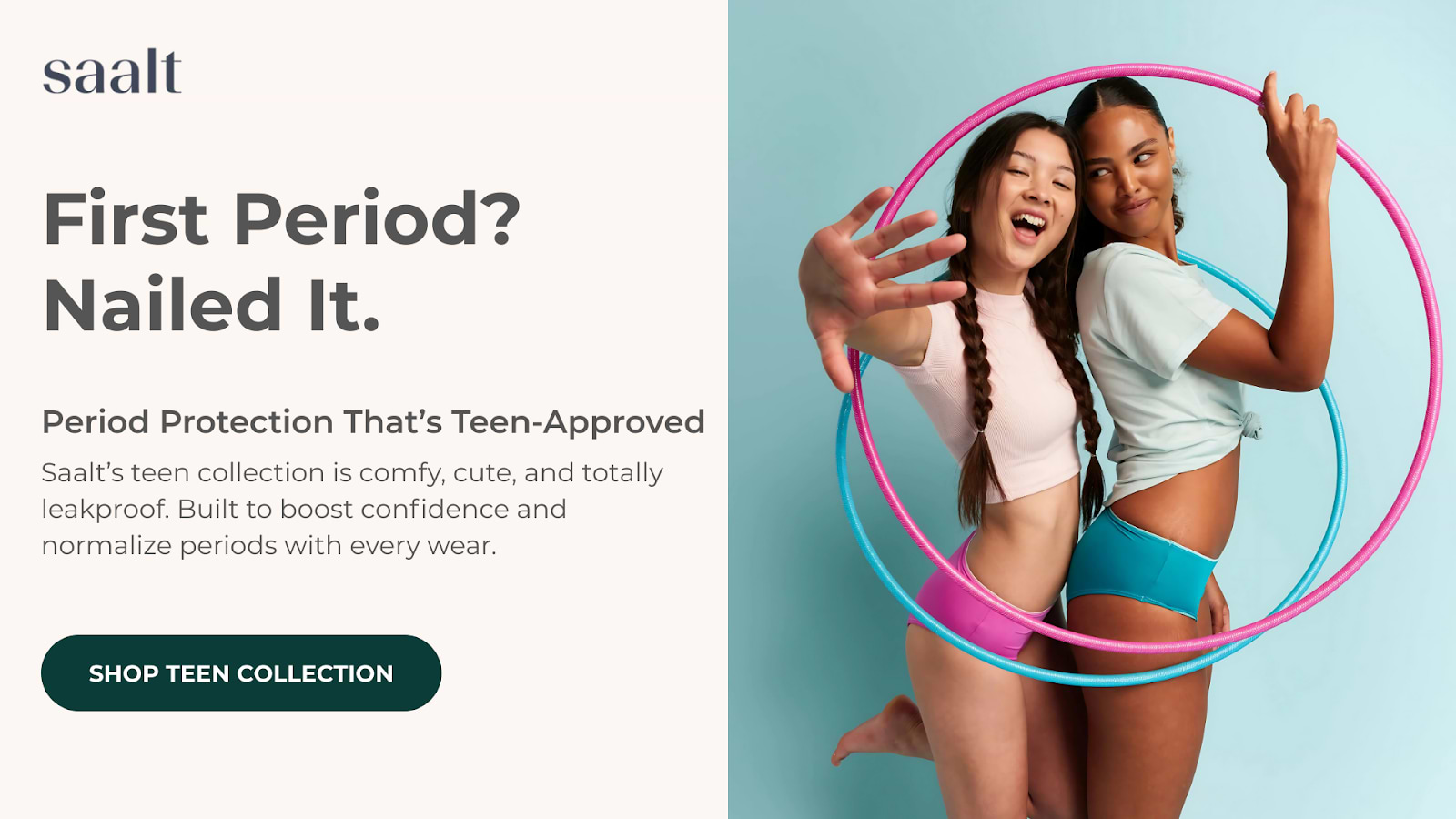
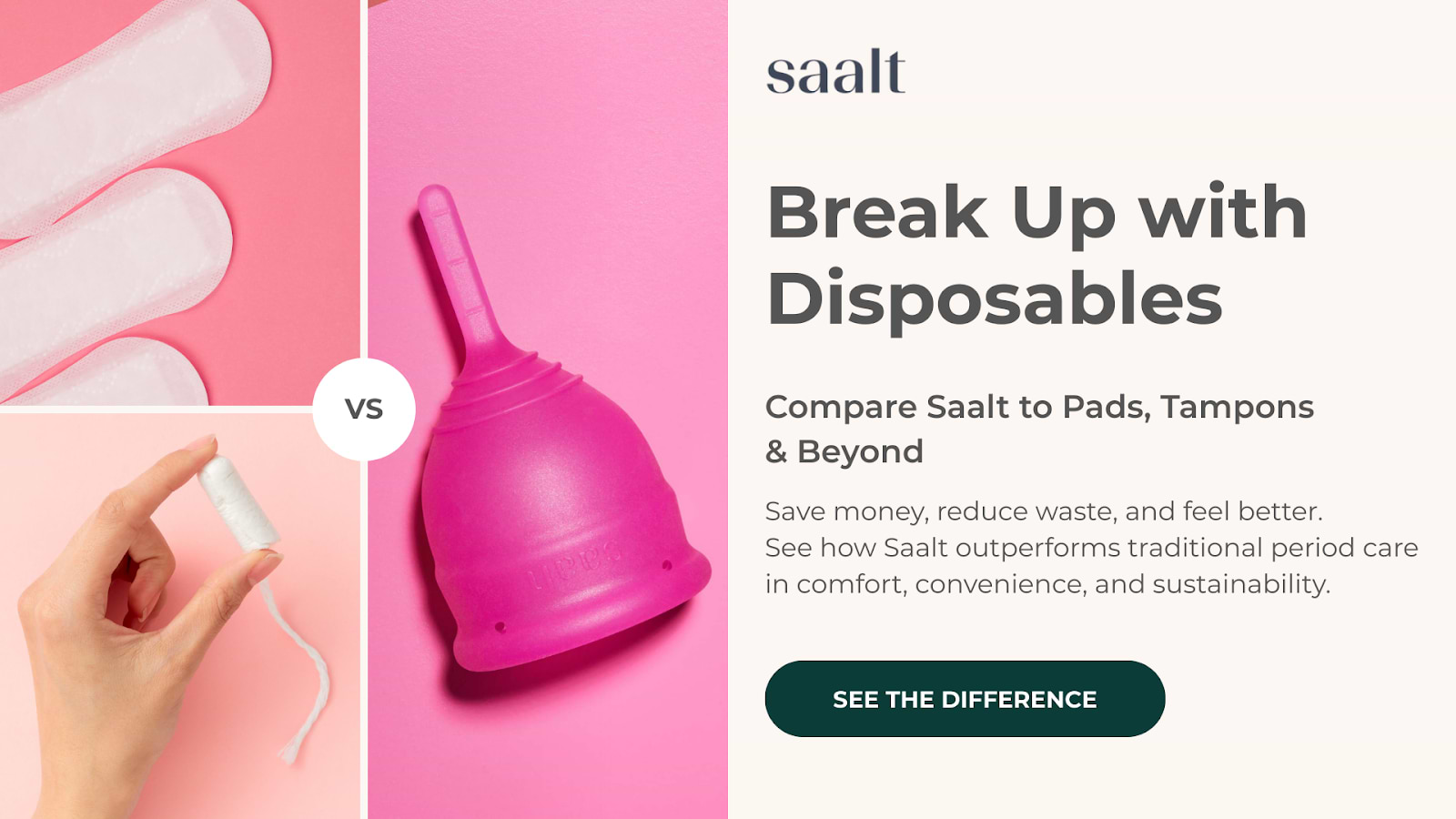
Sharing the different options for period care can also help your child approach their cycles with self-assurance. Reusable products like period underwear, a menstrual cup, or a period disc all offer safe, sustainable ways to manage their flow. For many, starting with teen period underwear is the most approachable option because it looks and feels just like regular underwear, only with built-in absorbent layers. That means no bulky pads or noticeable strings in the locker room, helping her feel more at ease around her peers.
If your daughter feels ready for internal products, we offer the Saalt Teen Cup: a smaller but just as mighty version of the original Saalt Cup! It’s made from 100% medical-grade silicone and provides up to 12 hours of protection. Plus, it’s BPA- and latex-free, so you know that your child is using safe materials for their most delicate parts. For the end-all, be-all kit to help her be prepared, Saalt has crafted the First Period Kit which contains everything she’ll need to be confidently prepared for her first period and beyond.
Some teens may also want to try using a menstrual disc. To make it easier for parents, we provide detailed written tutorials and video guides to walk through each step, including how to insert a menstrual disc safely and comfortably. Whether she starts with period underwear, experiments with a Saalt Teen Cup, or wants to learn about discs later, the key is making sure she knows she has choices, and that every choice is valid.
What Are The Physical Signs Of Getting Your First Period?
Every tween’s journey through puberty unfolds at its own pace, but there are usually a few standard shifts that hint that a first period isn’t far away. These early symptoms of a first period of a girl might include growth spurts, discharge, or new hair development. For your daughter, these changes can feel exciting one moment and disorienting the next. Viewing these transformations as ordinary, expected steps can help turn uncertainty into reassurance.
Growth Spurts And Breast Changes
One of the clearest signs that puberty is underway is the classic growth spurt. Many girls grow taller rapidly right before experiencing their first period, often outgrowing shoes and clothes faster than parents can keep up. A bigger appetite, sleeves that suddenly feel too short, or shoes that pinch are all normal signs that her body is in a new phase of development.
Alongside height changes, breast development is another key marker of puberty. Breasts typically begin as small buds and gradually grow fuller over time, sometimes unevenly at first. This growth is often one of the earliest signs that menstruation is on the horizon, with a first period usually following within about two years. These shifts in height and breast size can feel exciting, confusing, or even awkward, but they’re all healthy signals that her body is moving forward just as it should.
Milky Or Clear Vaginal Discharge
Another common sign is the appearance of thin, clear, or milky discharge. This is the body’s natural way of keeping the vaginal area clean, essentially setting up a healthy environment in preparation for menstruation. Discharge can show up six months to a year before the first period, and it signals that hormones like estrogen are rising, launching a series of changes inside the body. While it may take some getting used to, it’s nothing to be embarrassed about! Offering a safe space for open conversation helps normalize what’s happening and eases any worries your teen may have.
New Hair In New Places
Puberty also brings visible changes like the growth of pubic and underarm hair. At first, pubic hair usually appears as a soft fuzz before becoming thicker and curlier over time. The same goes for armpit hair. It can start with a few hairs here and there, then gradually become more visible. As hair starts to grow, your daughter might start asking questions about shaving, or at least wondering if she should. This is a great opportunity for you to step in with guidance!
Share your own experiences, and if you feel comfortable, provide tips on how to use razors or trimmers safely. You could give a live demonstration or verbal advice, like starting with clean skin, using a gentle shaving cream, and always keeping tools clean to avoid infections. These practical lessons can calm the nerves that often come with learning something new.
By leading the conversation and creating a comfortable space for your teen, you turn what might feel awkward into an empowering moment of self-awareness. Remind her that body hair is natural, and how (or whether) she manages it is her choice. What matters most is that she feels safe, informed, and confident in her growing body.
Emotional Signs Of A First Period
Sometimes the first signs of an approaching period show up not in the body, but in the heart and mind. You might see your daughter moving quickly from laughter to tears, or notice small frustrations turning into overwhelming problems. Mood swings and heightened sensitivity might seem to appear out of the blue, but they’re often associated with her body adjusting to new hormonal rhythms.
Supporting Big Feelings With Empathy
What matters most during this stage is how supported she feels. Listen closely to her concerns and validate her experiences instead of brushing them off. Most importantly, reassure her that plenty of girls her age go through the exact same thing. These intense feelings don’t make her “too much.” Rather, they’re part of what makes her human, and they’re temporary as her body finds its balance.
Ultimately, meeting big feelings with patience and empathy builds trust, helping her feel safe opening up to you about periods and the rest of puberty’s changes.

Make The Switch
Noticing the signs your daughter is about to start her period offers a chance to support her with honesty, reassurance, and confidence. Whether she’s asking questions about her changing body or quietly processing new feelings, each step is an opportunity to affirm her strength and normalize this natural process. At Saalt, we believe periods should never be hidden in shame or met with stress. Instead, they can be recognized as a meaningful stage of growth, backed up by care that’s clean and sustainable.
By offering reusable options like period underwear, a menstrual cup, or a period disc, you’re not just equipping her with comfortable, reliable products. You’re showing her that her body deserves products that are good for her and the world around her. And for the parents who are scared to approach the period talk, Saalt has your back! We have plenty of educational resources that you can use, plus an encouraging community that’s rewriting the narrative on periods, one open dialogue at a time.
When the first signs appear, welcome them with warmth and openness. You’re witnessing her transformation into her most authentic, powerful self, and every new change is simply another step along that remarkable journey. Together, you can make her first period (and every cycle that follows) smoother and more empowering, with period care designed to support her body and her future.
Read also:
- Age Of Menarche Change
- Are Teens Getting Their Period Earlier Than They Used To?
- Period Underwear Made For Girls
Frequently Asked Questions About Signs Your Daughter Is About To Start Her Period
At what age do most girls get their first period?
Most girls experience their first period between the ages of 10 and 15, with 12 being the average. But it’s important to remember that there’s no single “right” age. Every body follows its own rhythm, shaped by factors like genetics and personal health. Some may start earlier, others later, and both are completely normal.
Does breast development indicate a period is near?
One of the earliest signals that menstruation is on the horizon is breast development. Periods typically begin within two to three years after breasts start to bud. While not a guarantee on their own, changes like breast growth, skin changes, new hair growth, or mood shifts often appear together as the body prepares for menstruation.
Is acne a sign that menstruation will start soon?
Acne can sometimes be one of the clues that a first period isn’t far off. As hormones shift during puberty, oil production in the skin increases, which can lead to breakouts. While pimples alone don’t guarantee that menstruation is about to begin, when combined with other changes like breast development or mood shifts, they can be a sign that her body is preparing for this next stage. It’s a normal part of growing up, and a reminder that these changes are all connected pieces of the puberty puzzle.
What if my daughter is showing signs but hasn't started her period?
If your daughter is experiencing several puberty milestones like breast development or growth spurts and her period hasn’t started yet, that’s okay! It’s normal for the first period to arrive a couple of years after early puberty signs show up. But if you have any concerns, especially if she starts puberty very early or hasn’t started her period by age 16, it’s a good idea to check in with a healthcare provider.
How can I talk to my daughter about her body changes?
The most important step you can take is to keep communication open. Honest, judgment-free conversations help normalize what’s happening and remind your child that their body is strong, healthy, and exactly where it should be. Sharing your own experiences, like what you found confusing, surprising, or even funny while experiencing your first cycle, can make the topic feel more casual and relaxed.
Should I prepare sanitary products in advance for my daughter?
Absolutely, and it’s one of the kindest things you can do. Putting together a simple “first-period kit” helps take away the stress of scrambling at the last minute. Many parents start with teen period underwear since it feels just like regular underwear but has built-in absorbency for leaks. If she’s curious about internal products down the road, there are also options like the Saalt Teen Cup or even tutorials on how to insert a menstrual disc, but there’s no rush!
The goal is to give her choices so she feels prepared and supported. Whether she leans on period underwear, tries a cup later, or mixes and matches, knowing she already has what she needs can replace nerves with a sense of calm.


