


Key Takeaways:
-
Know Your Anatomy: Understanding your menstrual anatomy is key to confidently inserting a tampon for the first time.
-
Right Fit Matters: Choosing the right tampon size and absorbency makes insertion and removal more comfortable and effective.
-
Relax & Position: Relaxation techniques and finding a comfortable position are crucial to reducing discomfort and ensuring a smooth tampon insertion process.
The first time you use a tampon can be a mix of nerves and curiosity. Don’t worry, you’re not alone. Whether you want period protection for swimming, daily comfort, or just a more subtle option, learning how to insert a tampon for the first time is a big step in menstrual care.
Begin by washing your hands, unwrapping the tampon, and finding a comfortable position (some prefer sitting on the toilet or standing with one leg raised). Relax: Tension makes insertion harder. Using one hand, gently open your labia. Take the tampon and angle it toward your lower back, pushing the applicator or the tampon itself in until your fingers touch your body. If it feels uncomfortable, it may not be far enough; you can use your finger to nudge it in place.
Remember, it shouldn’t hurt; if it does, remove it and try again with a smaller size or water-based lubricant. Change your tampon every 4–8 hours and never leave one in for more than 8 hours to avoid the risk of toxic shock syndrome. (Web MD)
Everyone’s first time is different, and needing practice is totally normal. With trust and patience, you’ll find what works best for you!
Your Menstrual Anatomy 101
Before inserting a tampon for the first time, it’s helpful to understand your anatomy. Here’s a simplified guide to the essentials:
Vulva: The external part you see in the mirror, including the labia (the “lips”), clitoris, and vaginal opening.
Vaginal Opening: Located below the urethra (where you pee) and above the anus. This is where you’ll insert the tampon. It’s usually the largest opening.
Vagina: A muscular tube leading from the vaginal opening to the cervix, where your tampon sits comfortably to absorb flow. Your tampon cannot get lost, it stays in the vagina.
Cervix: The cervix is the end of the vaginal canal. It looks like a small, round bump with an opening only large enough for period blood to exit, tampons can’t pass through.
Quick tip: Try using a mirror to look at your anatomy. Familiarity helps boost your confidence and makes tampon use much easier. Everyone’s body is unique, and understanding yours is the first step to comfortable period care.
Level-Up Your Leak Protection with SaaltReady to make leaks a thing of the past? Whether you’re learning how to insert a tampon for the first time, navigating life postpartum, staying active as you get older, or supporting a teen on their period journey, Saalt has you covered with premium, sustainable solutions. Here’s why Saalt underwear should be your go-to upgrade:
Stop letting leaks hold you back. Join the Saalt community to rewrite your relationship with your period, and experience freedom, comfort, and confidence with every wear. Shop Saalt period underwear now, because you deserve peace of mind, for all of life’s leaks. |
Choosing the Right Tampon Size and Absorbency
Navigating the tampon aisle for the first time can feel overwhelming, but finding the right size and absorbency is all about knowing your body and menstrual flow.
Absorbency Levels
Tampons come in various absorbencies:
-
Light: For lighter flow days, start, or end of your period.
-
Regular: Ideal for most beginners and moderate flows.
-
Super/Super Plus: Best for heavy flow days (often the second or third day of your period).
Use the minimum absorbency needed. Using higher absorbency than necessary can cause discomfort and may increase the risk of irritation.
Matching Absorbency to Your Flow
If you are new, start with regular. If you need to change your tampon in less than 4 hours, try super. If removal feels dry after 8 hours, try light. Change your tampon every 4-8 hours for comfort and safety.
Comfort Tips
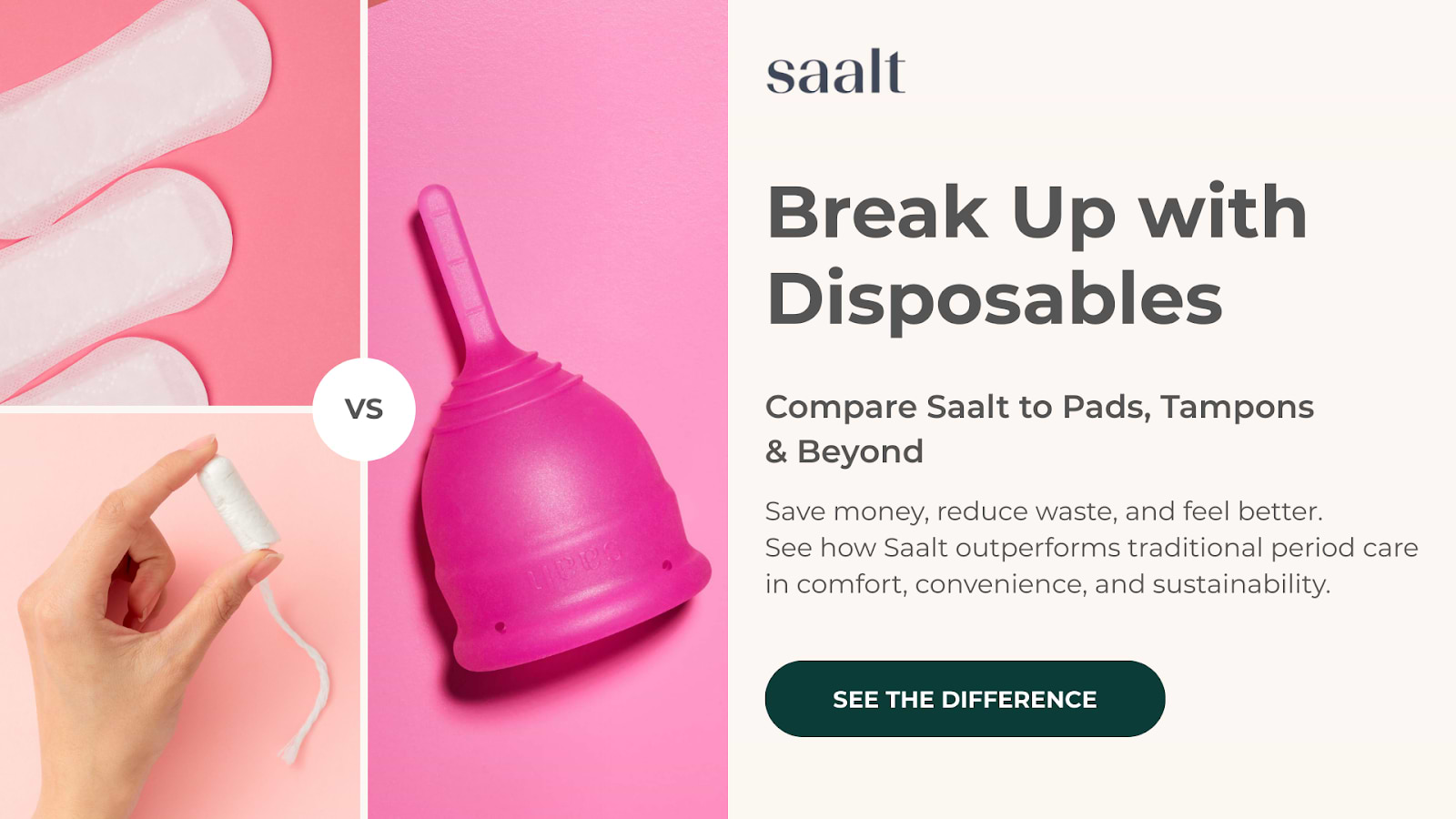
Slim or “teen” tampons are good for beginners or if you’re nervous about insertion. Many find plastic applicators easier to use than cardboard. Remember, there’s no one-size-fits-all answer, some people also prefer reusable options like a period cup or a menstrual disc, which sit internally but work differently than tampons. Try different types to find what works for you, and prioritize your comfort.
Listening to your body and choosing the right tampon size and absorbency (or deciding whether a period cup or menstrual disc feels like a better match) will help you feel secure and confident during your period.

Step-by-Step Insertion Guide for Beginners
Trying a tampon for the first time can feel intimidating, but with a few easy steps, it’s absolutely doable. Here's how to insert a tampon for the first time, slowly, comfortably, and with full confidence.
1. Wash Your Hands
Always start by washing your hands thoroughly with soap and water. This helps prevent bacteria from entering your body. (Cleveland Clinic)
2. Unwrap the Tampon
Remove the tampon from its wrapper. If it has an applicator, hold it between your thumb and middle finger, with your index finger resting on the tip of the applicator. If it's applicator-free, hold the tampon between your fingers by the ends.
3. Choose a Comfortable Position
You can stand with one foot on the toilet, sit on the toilet with knees apart, or squat, whichever feels most natural. Relax your pelvic muscles to make insertion easier.
4. Identify the Vaginal Opening
With one hand, gently spread your labia (the folds of skin around your vaginal opening). With the other hand, place the tip of the tampon at the vaginal opening. Remember: the urethra (where you pee) is above the vagina, so aim gently back and up, not straight up.
5. Insert the Tampon
-
With Applicator: Hold the applicator at the grip with your thumb and middle finger. Gently and slowly push the tip of the applicator into your vagina, angling it towards your lower back. Insert until your fingers touch your body. Then, press the plunger (the smaller tube) with your index finger until it’s fully inside the larger tube. (Healthline)
-
Without Applicator: Place the rounded end of the tampon at the vaginal opening and use your index finger to gently push it in, aiming toward your lower back. Stop when your finger is fully inside and the tampon feels snug.
6. Remove the Applicator (If Using)
Pull the applicator out gently, leaving the tampon inside with the string hanging outside your body.
7. Check Comfort and Adjust
If the tampon feels uncomfortable or you can feel it at the opening, it might not be far enough. Use clean fingers to nudge it in a bit more, or gently remove and start with a new one.
8. Don’t Forget the String
Let the string hang outside your body. This will make removal easy later. Never push the string inside.
Taking it slowly, using plenty of patience, and listening to your body are key. Every body is a little different, so don’t stress if it takes a few tries to get it right!
Finding a Comfortable Position for Insertion
Inserting a tampon for the first time can feel intimidating, but finding the right position can make it much easier. The main goal is to relax your muscles and find the best angle for smooth insertion. Since everyone’s body is unique, you may need to try a few positions to see what’s most comfortable for you.
Common positions include:
-
Sitting on the toilet: Sit with knees apart and feet flat. Lean forward slightly to relax your pelvic muscles.
-
Standing with one leg raised: Place one foot on the toilet, bathtub, or stool. This helps straighten the vaginal canal.
-
Squatting: Crouch down low with knees apart. This position works for those who prefer a direct angle.
-
Lying down: Lie on your back with knees bent and feet apart. This is good if you’re having trouble relaxing or are nervous.
Whichever position you choose, take a few deep breaths and go slowly. If your muscles tense up, pause and let yourself relax. The more relaxed your body is, the easier and more comfortable the process will be. Try different positions until you discover what feels best for you.
Relaxation and Breathing Techniques to Reduce Discomfort
If the thought of inserting a tampon for the first time makes you nervous, you’re not alone! Even seasoned tampon users sometimes feel a little anxious. Tension in your body can make insertion trickier than it needs to be, so learning to relax is key. Here’s how to make the process as comfortable as possible:
1. Find a Quiet, Comfortable Space. Choose a spot where you can take your time without feeling rushed or interrupted. Privacy helps you stay calm and focused.
2. Practice Deep Belly Breathing Before starting, take a few slow, deep breaths. Try this:
-
Inhale slowly through your nose for a count of four, letting your belly expand.
-
Hold that breath for two counts.
-
Exhale gently through your mouth for a count of six.
-
Repeat this cycle three to five times. This activates your body’s relaxation response, easing pelvic muscles.
3. Relax Your Pelvic Muscles When you’re tense, your pelvic floor muscles contract and make insertion more difficult. After a few slow breaths, try to consciously relax the muscles in your hips and lower belly. If it helps, visualize those muscles “softening” or “melting” like butter.
4. Change Positions There’s no one-size-fits-all position for tampon insertion. Some people prefer sitting on the toilet with knees apart, while others like standing with one foot on the edge of the bathtub. Experiment to discover which posture helps your body feel least tense.
5. Don’t Rush—Take Pressure Off Yourself There’s no timer counting down! If it doesn’t go smoothly the first time, pause and try again after a few more breaths. Remind yourself: just like any new skill, practice and patience make this easier.
Inserting a tampon is as much about confidence as technique. By focusing on calming your body and mind, you’ll give yourself the best possible chance for a smooth, comfortable process.
The First Step Towards Confidence and Comfort
Learning how to insert a tampon for the first time is a milestone—one that can come with nerves, questions, and a bit of awkwardness. But like so many of life’s changes, it soon becomes second nature. The most important thing to remember? This is your experience, your body, and you get to go at your own pace. There’s no single “right” way, just what feels comfortable, safe, and sustainable for you.
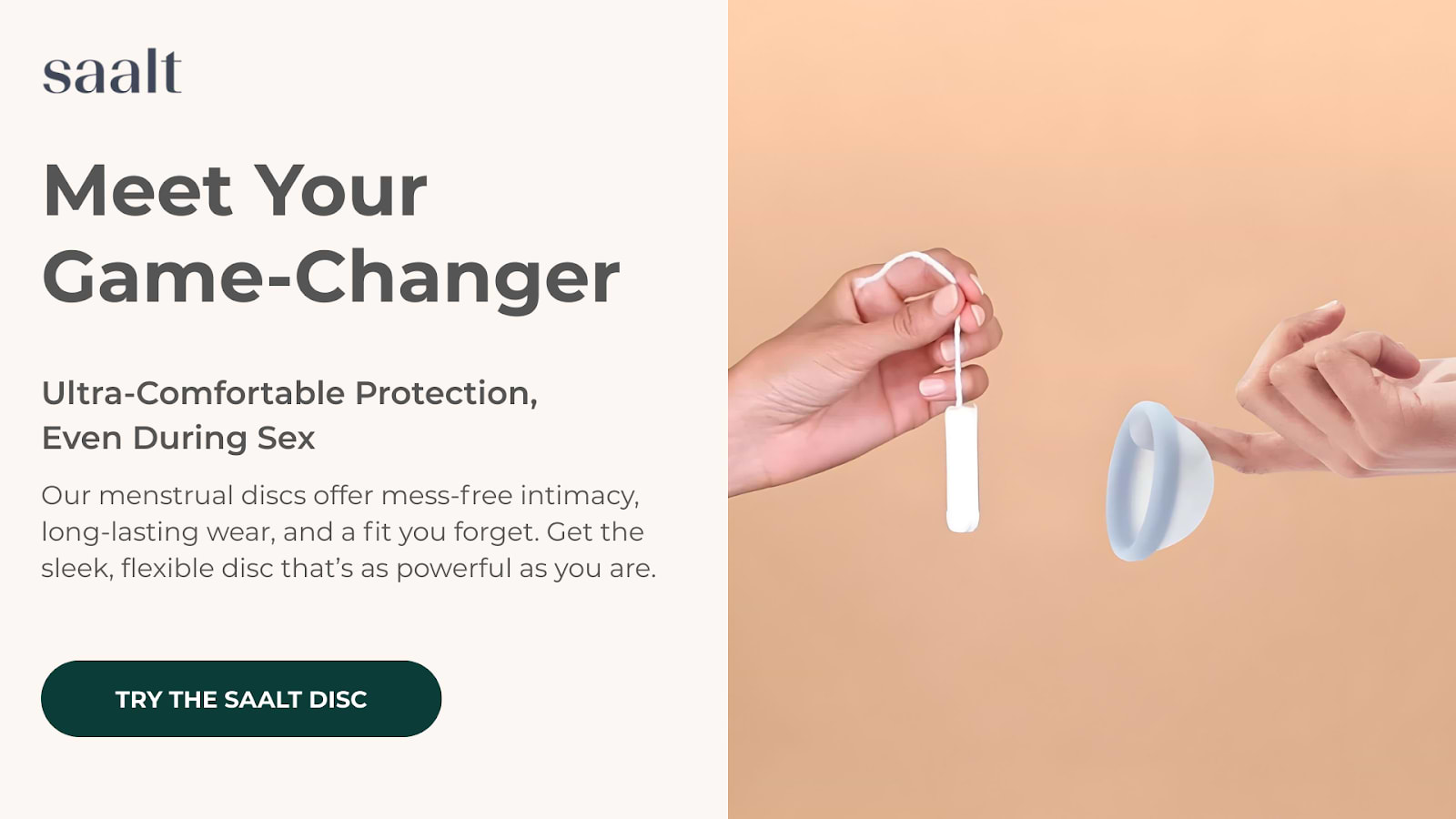
Don’t hesitate to take breaks, try different positions, or switch to other absorbency options if tampons aren’t a fit right now. Resources like Saalt’s period cups and menstrual discs are designed exactly for moments like this, when you want reliable protection without pressure or panic, whether it’s your first period or you’re navigating postpartum changes. Saalt advocates for confidence, comfort, and options, supporting you regardless of where you are on your journey.
Your comfort comes first, always. The more you listen to your body (and grant yourself patience), the easier and more seamless the process will become. Remember: You’re not alone. Millions of people have been where you are, and the right products and support can make all the difference. Here’s to living leak-free, confidently, at every stage of life.
Read Also:
Frequently Asked Questions About Using a Tampon for the First Time
What is a tampon?
A tampon is a small, absorbent internal menstrual product made of soft cotton or a cotton blend that you insert into your vagina to absorb menstrual blood during your period. Tampons come in a variety of sizes and absorbencies, and most have either an applicator or a smooth, rounded tip for comfortable insertion.
When should I start using tampons?
You can start using tampons as soon as you begin menstruating and feel ready. There’s no “right” age. Some people use tampons during their first period, while others prefer pads or period underwear first and try tampons later. Listen to your body and your comfort level.
Are tampons safe for first-timers?
Absolutely! Tampons are specifically designed to be safely used, even if it’s your first time. As long as you follow the instructions for insertion, use the proper absorbency, and change your tampon every 4-8 hours, using a tampon is safe for people of all ages and experience levels.
Which tampon size should I choose for the first time?
Start with the smallest absorbency, usually labeled “light” or “junior.” Using a smaller tampon can make insertion more comfortable, and it’s less intimidating when you’re learning. As you get used to tampons, you can adjust the size and absorbency based on your flow.
How do I prepare before inserting a tampon?
Wash your hands and make sure you’re in a comfortable space, your bathroom is great! Take a few deep breaths, relax your pelvic muscles, and read the instructions that come with your tampon. It can help to try after a shower, when your body is relaxed and your flow is a little heavier, as this can make insertion smoother. Having a backup like Saalt leakproof underwear can also ease anxiety and help you feel even more secure.
Sources:
-
Langmaid, S. (2025, April 15). Toxic shock Syndrome. WebMD. https://www.webmd.com/women/understanding-toxic-shock-syndrome-basics
-
Clinic, C. (2022b, September 8). How to insert (and remove) a tampon. Cleveland Clinic. https://health.clevelandclinic.org/how-to-insert-a-tampon
-
Anderson, J. (2019, October 29). How to insert and remove a tampon correctly. Healthline. https://www.healthline.com/health/how-to-insert-a-tampon#how-to-insert-with-an-applicator


