


Key Takeaways:
-
Clot Explained Simply: Large period clots are normal for many people, especially during heavy flow days, but consistent large clots or those accompanied by severe pain may indicate underlying conditions.
-
Hormones and Clots: Hormonal imbalances, particularly involving estrogen and progesterone, can lead to increased clotting by affecting the thickness of the uterine lining.
-
Natural Flow Support: Natural strategies like staying hydrated, eating iron-rich foods, exercising, and managing stress can help support a healthier menstrual flow and potentially reduce clotting.
Noticing large blood clots during your period can be surprising and sometimes worrisome, but you’re definitely not alone. Menstrual blood clots—typically jelly-like clumps of blood and tissue—can be a normal part of periods, especially on heavier flow days. They usually form when your uterine lining sheds quickly and your body can’t break the blood down fast enough.
Most period clots smaller than a quarter (about 1 inch) aren’t a cause for concern. However, passing large clots or several in a short time—particularly if you’re soaking through pads or tampons every hour—could indicate a heavier-than-normal period (menorrhagia) or an underlying condition like fibroids, polyps, or hormonal imbalances.
If large clots are new for you, are frequent, or are accompanied by severe pain, anemia, fatigue, or irregular cycles, it’s a good idea to see your doctor. Always reach out if you’re worried—it’s important to rule out more serious causes and keep your healthcare provider in the loop.
At Saalt, we’re committed to making every period (and bladder leak!) less stressful and more sustainable with our leakproof underwear, so you can move confidently at every stage of life.

What Exactly Are Menstrual Blood Clots?
Menstrual blood clots are gel-like clumps that appear during your period, ranging from tiny specks to larger, noticeable masses. They form when blood and uterine tissue mix with the body’s natural anticoagulants—substances that keep blood flowing. During a heavy flow, blood can rush out faster than these anticoagulants can work, leading to clotting before the blood leaves your body.
“Clots are typically dark red or even blackish and may look alarming, but they are a normal part of many periods, especially on your heaviest days. Their texture can also vary, from soft and jelly-like to more firm or solid, depending on how long the blood has pooled in the uterus. These are lumps of coagulated blood or tissue. They are discharged from the uterus during menstruation when the lining of the uterus or endometrium sheds and is expelled from the uterus through the cervix, “ (Dr. Seckin Endometriosis Specialists).
Not everyone will experience clots, but they are more common for those with heavier flows, usually appearing during the first couple days of menstruation. Most clots are nothing to worry about. However, if you regularly pass large clots—about the size of a quarter or more—or experience severe pain, it could signal a problem worth discussing with your healthcare provider. Recognizing what’s normal for your body helps you distinguish between natural period changes and symptoms that need attention.
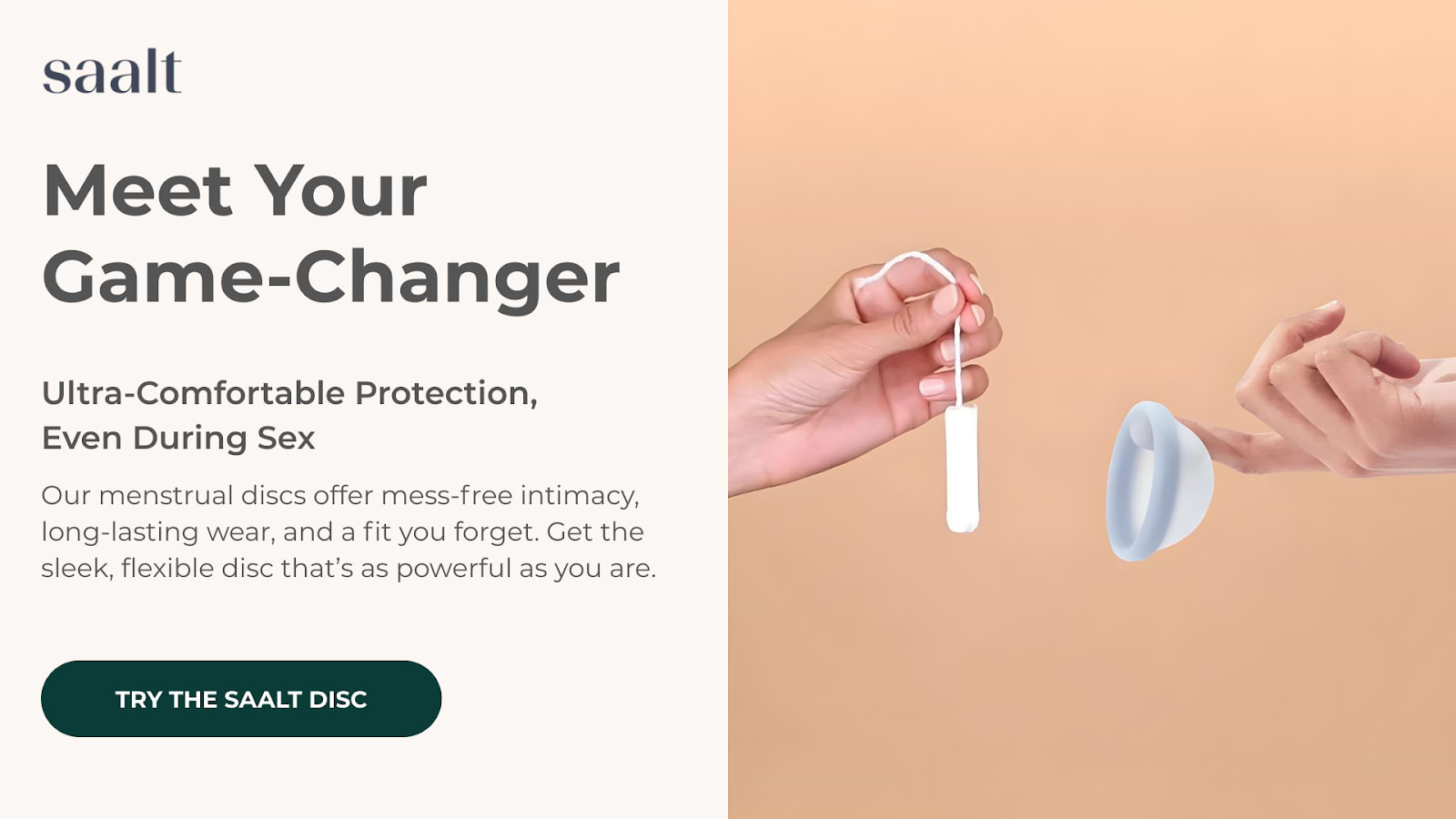
Take Control of Your Period with SaaltHey there, let’s talk real for a second. Dealing with large period clots or unexpected leaks can feel like a boss battle you didn’t sign up for. But here’s the good news: you don’t have to face it alone, and you definitely don’t need to settle for quick fixes that fail. At Saalt, we’ve got your back with premium leakproof underwear, menstrual cups, and period discs designed to handle all of life’s leaks—whether it’s heavy period flow, postpartum surprises, or bladder leaks as you stay active through the years. We’re here to end those panicked sprints to the bathroom and help you reclaim your confidence. Why choose Saalt? Check out what makes us your ultimate ally: · Leakproof Protection: Our underwear comes in various absorbencies, styles, and sizes like the Saalt Teen Period Underwear to Plus Size Period Underwear to match your flow and lifestyle. · Sustainable & Safe: Our leakproof panties are made without PFAs in the finishing process, because your health matters. · For Every Stage: From teen years to postpartum and beyond, we’ve got solutions for all women include postpartum underwear and bladder leak underwear. · Period Equity: We donate 1% of revenue to impact programs, fighting for period equity worldwide. Ready to level up? Visit Saalt today and find the perfect leakproof gear to keep you moving, no matter what. Let’s make leaks a thing of the past—together. |
Typical Size, Color, and Texture: What’s Normal
Let’s break down what to expect during your period, because sometimes those blood clots can be surprising. Generally, clots smaller than a quarter are perfectly normal. These form when blood pools—for instance, if you’ve been sitting or lying down—and are simply a mix of blood cells and tissue your body needs to shed.
Color is another important clue. Menstrual blood is often bright red in the first days of your period but can turn darker red or brown as your period goes on. Clots usually appear darker for the same reason—they’re older blood, nothing more. If you ever notice a grayish or unusually pale clot, it’s worth flagging to your healthcare provider.
Texture-wise, normal period clots will feel soft and jelly-like or slightly stringy, never hard. That’s because they’re primarily made of blood and tissue. It’s completely fine to see a few clots this size, especially on heavier days.
Medical News Today notes, “While passing smaller clots does not usually mean a problem, sometimes passing larger ones or clots (of any size) too often can be a sign of a health condition.”
What’s less typical? Seeing clots larger than a quarter, or experiencing large, frequent clots throughout your period. If you notice a sudden change in the size, color, or number of clots—especially if paired with very heavy bleeding or severe pain—it’s smart to check in with your doctor. According to Dr. Zanotti with the Cleveland Clinic, “You may have really small clots that might be a dime-size or a quarter-size during your period and that’s normal for you….. It’s problematic if you’re passing golf ball-sized clots and passing them every couple of hours.”
Everyone’s period is different, but paying attention to your usual pattern will help you spot when something’s off. Keeping track of your symptoms each month can empower you to advocate for your health if changes occur.
How Hormones Influence Clot Formation
Your menstrual cycle is orchestrated by hormones—mainly estrogen and progesterone—who act as directors behind the scenes. Estrogen thickens the uterine lining in the first half of the cycle, prepping for a potential pregnancy. After ovulation, progesterone helps stabilize this lining. If pregnancy doesn’t occur, both hormones drop, signaling the body to shed the lining during your period.
When these hormones fall out of balance—for example, if estrogen is too high or progesterone too low—the uterine lining can grow thicker than usual. This often leads to heavier bleeding and larger blood clots when it sheds. Think of clots like pieces of scenery being rapidly cleared off-stage; if there’s more tissue than normal, the ‘clean-up’ is messier and clumpier.
Other chemicals, like prostaglandins, add to the action by increasing uterine contractions. When prostaglandins surge, they can speed up menstrual flow, sometimes overwhelming your body’s natural ability to prevent blood from clotting before it passes out—resulting in visible clots. Hormonal disorders such as PCOS or endometriosis can amplify these effects, further increasing the chances of clot formation.
Life stages like postpartum recovery or perimenopause often bring extra hormonal fluctuations, leading to heavier periods and more clots. Recognizing the hormonal influences behind clot formation can help you understand what’s happening in your body and signals when it may be time to consult a healthcare provider if you notice sudden or significant changes in your menstrual cycle.
Natural Ways to Support Healthy Flow and Reduce Clots
Managing large period clots can be frustrating, but there are natural ways to support a healthier menstrual flow. Start with hydration—drinking at least 8-10 glasses of water daily helps keep your blood from getting too thick, making clots less likely. Herbal teas, such as ginger or raspberry leaf, can also be soothing; ginger in particular has anti-inflammatory benefits that may ease cramps and promote smoother periods.
What you eat matters, too. Include iron-rich foods like spinach, lentils, and lean meats in your diet to replenish what you lose during your period and combat fatigue. Enhance iron absorption by pairing these foods with vitamin C sources like oranges or bell peppers. Omega-3s from fatty fish or flaxseeds help reduce inflammation, supporting overall menstrual health.
Gentle exercise such as yoga or walking can improve circulation and reduce blood stagnation, which may help lessen clotting. Even simple poses like child’s pose or reclined butterfly can relax the pelvic area and keep things moving.
Finally, managing stress can really make a difference. High stress disrupts hormone balance and can worsen heavy periods and clotting. Try deep breathing, meditation, or a relaxing hobby—it all helps lower stress and might ease your symptoms.
These tips aren’t magic fixes, but they offer a practical starting point. Tune into what works for your body and track changes in your cycle. If heavy bleeding or large clots persist, remember to consult a healthcare professional. The best advocate for your health is you.
PCOS, Endometriosis, and Other Underlying Conditions
Noticing large period clots? While it’s common to have some clotting, frequent or large clots can indicate underlying conditions like PCOS or endometriosis. PCOS, which affects up to 1 in 10 people with periods, disrupts hormone balance, leading to excessive uterine lining build-up and heavier, clot-filled periods. If your clots consistently measure bigger than a quarter, it’s more than just an inconvenience—it’s worth investigating.
Endometriosis, where tissue similar to the uterine lining grows outside the uterus, is another culprit notorious for heavy periods and larger clots. Scarring or adhesions from endometriosis can slow your flow, giving blood more time to clot. Both conditions commonly bring intense pelvic pain and fatigue, alongside cycle changes.
But don’t rule out other possibilities. Uterine fibroids—noncancerous growths in the uterus—often lead to heavy bleeding and significant clots. Adenomyosis, where the uterine lining infiltrates the uterine muscle, can also cause this symptom. Blood disorders or certain medications might increase your risk as well.
If your period clots are persistent, track your symptoms—note clots’ size, flow heaviness, pain, or unusual fatigue. This isn’t to scare you, but to empower you with the information you need. Bring these details to your healthcare provider. Large clots could be your body’s way of signaling that it needs extra attention. Seeking help from a medical professional and finding answers can make all the difference.
Heavy Flow vs Large Clots: Understanding the Difference
Let’s get one thing straight: having a heavy period isn’t the same as passing large blood clots, though the two can sometimes overlap like a messy Venn diagram of menstrual woes. Heavy flow means you’re dealing with a high volume of blood—think soaking through pads or tampons in a couple of hours or less. It’s the kind of thing that can make you feel like you’re starring in a low-budget horror flick, but it’s often just your body doing its thing, especially if it’s been consistent for you over time.
Large clots, on the other hand, are different. These are gelatinous, sometimes coin-sized (or bigger) chunks of blood and tissue that can show up during your period. They’re not just a sign of heavy bleeding; they’re often a signal that something deeper might be at play. Clots form when your blood pools in the uterus and coagulates before it’s expelled, which can happen if your flow is too heavy for your body to keep up with or if there’s an underlying issue like fibroids, endometriosis, or hormonal imbalances.
Here’s the kicker: heavy flow doesn’t always mean clots, and clots don’t always mean heavy flow. You might pass a few big ones on a lighter day, or bleed like a faucet without a single clot in sight. It’s a frustratingly unpredictable puzzle, but paying attention to your body’s patterns can help you figure out what’s normal for you. Track the size and frequency of clots, note how often you’re emptying your menstrual cup or period disc, or changing out your period underwear, and keep an eye on symptoms like intense cramping or fatigue. Those details are your cheat codes for decoding whether this is just a rough cycle or a sign to dig deeper with a healthcare pro.
Understanding Large Period Clots and Taking Control
Let’s land this plane with some real talk. Large period clots can be unsettling, but they’re often just your body doing its thing—shedding uterine lining just like it’s supposed to. For most, they’re a normal part of the monthly grind, especially if your flow is heavy or you’re navigating postpartum changes. But if they’re frequent, paired with intense pain, or disrupting your life, it’s time to hit pause and chat with a doctor. Conditions like fibroids or endometriosis could be in play, and you deserve answers.
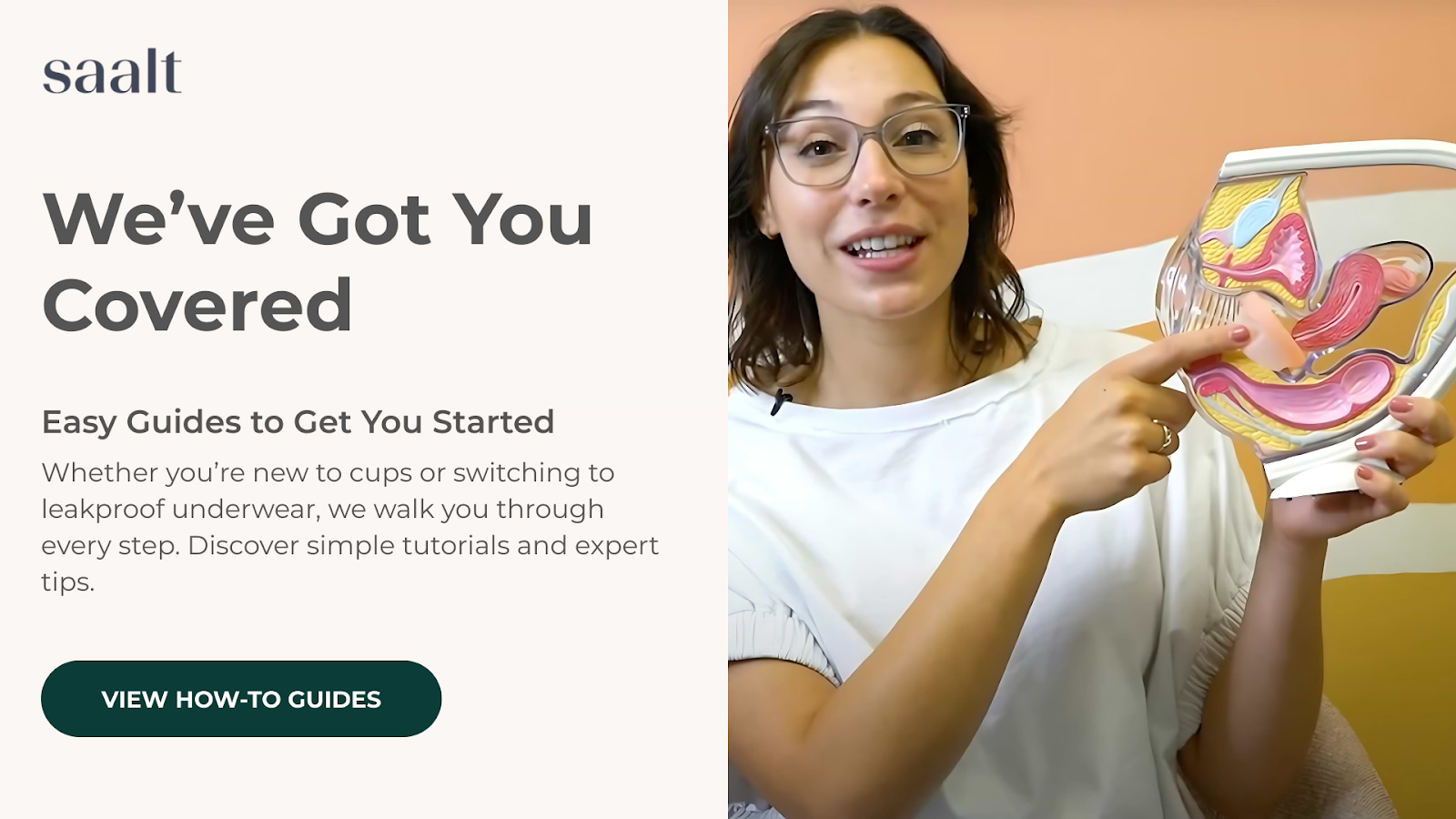
Here’s where Saalt steps in to help you reclaim control. Our period cups, menstrual discs, and leakproof underwear are designed to be the ultimate bestie for heavy periods and period clots. Made without harmful PFAs, available in various absorbencies, styles, and sizes, Saalt supports women from teen years to golden years. Plus, as a B-Corp, we’re committed to sustainability and donate 1% of revenue to period equity programs worldwide. Say goodbye to panicked bathroom sprints and hello to confidence. Stick with Saalt, and let’s tackle these challenges together—because you’ve got enough on your plate without worrying about leaks (and clots).
Read Also:
FAQs About Large Period Clots
What Causes Large Clots During Menstruation?
Large blood clots during your period often happen when you have a heavier flow than usual. Your body can’t always break down blood fast enough, so clots form. Sometimes, hormonal changes, fibroids, endometriosis, or being postpartum can contribute as well.
Are Large Blood Clots During a Period Normal?
Small clots—grape-sized or smaller—are generally normal, especially on heavier days. But if you see frequent, quarter-sized or bigger clots, it could indicate an underlying issue. Occasional larger clots may occur after childbirth or as your cycle changes, but regular large clots shouldn’t be ignored.
What Size Clot Is Considered Abnormal During a Period?
Clots smaller than a quarter (about one inch) are typically nothing to worry about. If you consistently pass clots larger than a quarter, it may be a sign of hormonal imbalances, fibroids, or other conditions. If your usual flow changes and big clots appear, take note.
When Should I Be Concerned About Period Clots?
Contact your doctor if you regularly pass clots quarter-sized or larger, soak through pads or tampons in an hour, or experience severe pain, fatigue, or dizziness. Sudden changes after years of a stable cycle are worth checking out. While Saalt’s leakproof underwear can help with heavy flows, persistent symptoms should always be evaluated by a healthcare provider.
Sources:
-
Dr. Seckin MD. Menstrual Clots. https://drseckin.com/blood-clots-during-a-period/
-
Medical News Today. (2024, January 06) Are blood clots normal during a period? https://www.medicalnewstoday.com/articles/322707
-
Cleveland Clinic. (2024, March 14) Period Blood Clots: Should You Be Concerned? https://health.clevelandclinic.org/period-blood-clots-are-they-normal


