


Key Takeaways:
-
Versatile Comfort: Menstrual cups and discs offer sustainable, reusable alternatives to traditional period products, with unique placement and capacity options tailored to your body and preferences.
-
Adaptability in Action: While menstrual cups sit low in the vaginal canal, discs nestle higher up, offering flexibility for physical activities, including mess-free period sex.
-
Flow and Fit: With varying capacities, cups and discs cater to different flow levels, providing personalized comfort and support based on anatomy and lifestyle choices.
Picture this: It's the start of your period and you're reaching for your go-to protection. Maybe you’re curious about alternatives or you’re tired of single-use products that never quite live up to their promise. The search for comfortable, reliable, and leakproof solutions can feel overwhelming—especially when words like “menstrual cup” and “menstrual disc” pop up everywhere. But what is the difference between a menstrual cup and disc? And more importantly, which one will actually make your life easier without the constant fear of leaks or last-minute dashes to the bathroom?
At Saalt, these questions are right in our wheelhouse. We know that periods, bladder leaks, and discharge don’t follow a one-size-fits-all solution. Whether you’re navigating postpartum changes, staying active as you age, or simply looking for a more sustainable, comfortable option, understanding your choices is the first step toward stress-free periods.
In this guide, we’ll break down the specifics of menstrual cups and discs so you can decide which is right for your lifestyle—no fluff, just facts. Let’s take the confusion out of your cycle and empower you to choose the best fit for your body, your values, and your busy life.
How Menstrual Cups Work
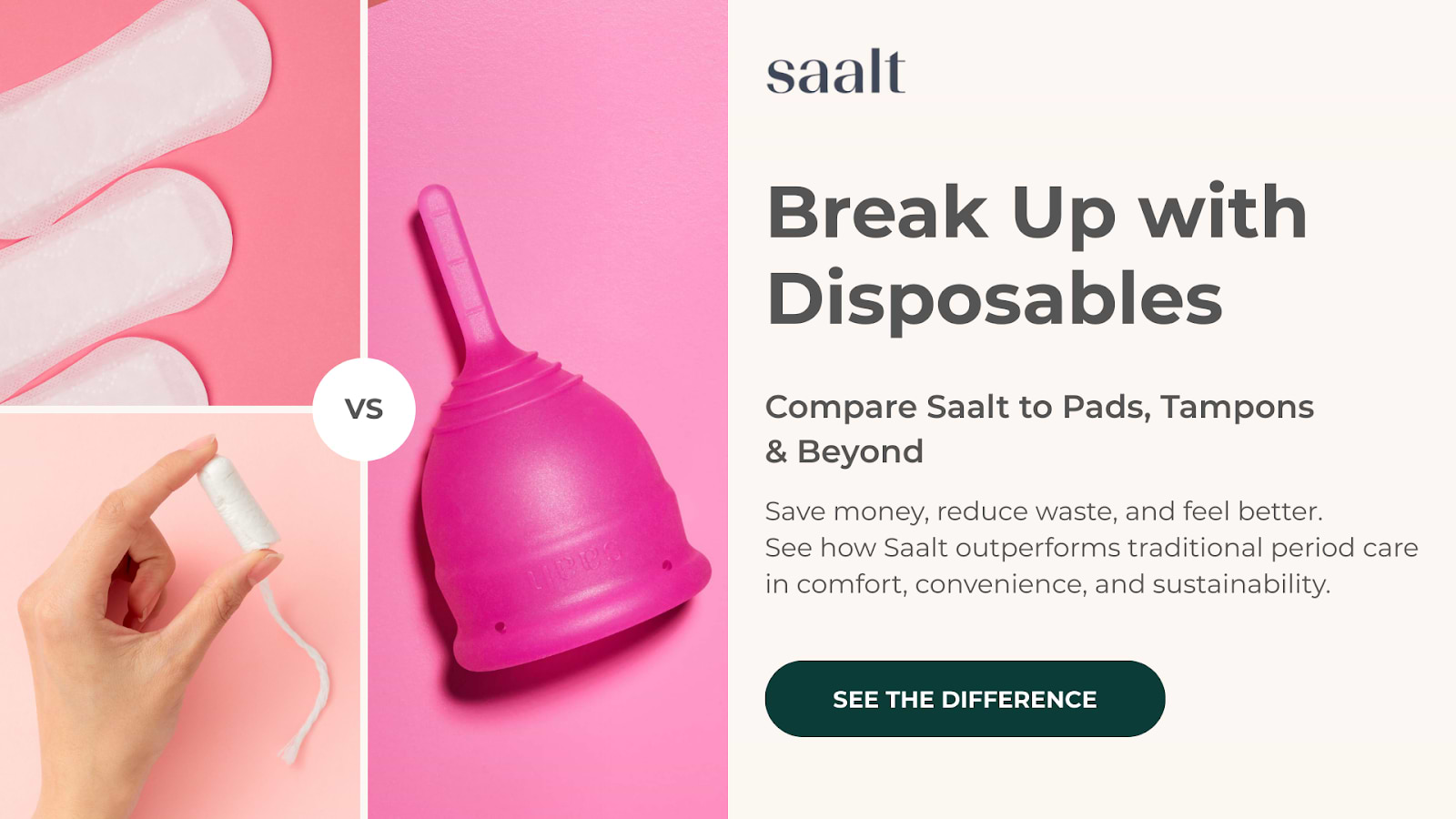
Menstrual cups are reusable, flexible devices made from medical-grade silicone or TPE, shaped like a small bell with a stem at the bottom. To use a menstrual cup, simply fold it and insert it into the vaginal canal, where it opens up and creates a gentle seal against the vaginal walls. This seal is what helps prevent leaks, as the cup collects — rather than absorbs — your menstrual flow. Here are some informative instructions on how to insert a menstrual cup.
Once inserted correctly, menstrual cups can be worn for up to 12 hours, depending on your flow. When you’re ready to empty it, you inch your fingers up the stem of the cup to the grip rings on the base of the cup. Then pinch the grip rings to release the seal and remove it. After emptying the contents into the toilet, rinse or wipe it clean, and reinsert.
Unlike tampons and pads, which are single-use and contribute to landfill waste, menstrual cups are designed to be reused for years. With proper care—washing with mild, fragrance-free soap and boiling once a month to sterilize—they’re both a sustainable and wallet-friendly option. Cups come in different sizes and shapes to fit different bodies and flows, so you can choose what feels most comfortable and effective for you.
Ready to Make the Switch? Try Saalt for Leakproof ConfidenceThe right period care makes a world of difference in your daily comfort, confidence, and peace of mind—no matter what life stage you’re in. At Saalt, we’re passionate about giving you sustainable solutions that actually work for you, whether it’s a menstrual cup, period disc, or our famously cozy leakproof underwear. If you’re curious about how to make leaks a thing of the past, here’s what you can do next:
Take your next step toward comfort and confidence. Say goodbye to bathroom emergencies and hello to living leak-free. Shop Saalt today and join the movement for better, more sustainable period care! |
How Menstrual Discs Work
Menstrual discs are reusable products designed to comfortably collect menstrual fluid. Unlike cups, which sit low in the vaginal canal, discs rest higher up in the vaginal fornix, just below the cervix. This placement helps the disc conform to your body, creating a leakproof seal and enabling mess-free period sex, since the disc sits out of the way.
To use a disc, you fold the soft rim and insert it lengthwise until it passes the pubic bone. Once in place, it unfolds and rests at an angle. The front rim tucks securely behind the pubic bone to stay put. Most discs can hold more fluid than cups, making them ideal for heavier flows or longer wear—up to 12 hours, depending on your flow. Here are some informative instructions on how to insert a menstrual disc.
Removal is easy: just hook a finger under the front rim and gently slide it out. Some designs even allow you to partially empty them while on the go, by bearing down while using the restroom. Learning to insert and remove a disc may take a little practice, but many users appreciate their capacity, comfort, and flexibility. Always wash your hands thoroughly before and after use for optimal hygiene.
Positioning & Placement Inside the Body
One of the main differences between menstrual cups and discs is where each sits inside your body and how it stays in place.
Menstrual cups are small, flexible cups—shaped like a tulip or bell—that you fold and insert into your vagina. They open up and create a gentle seal against your vaginal walls, sitting relatively low in the vaginal canal, below your cervix. The stem at the cup’s base helps with removal. When positioned correctly, a cup shouldn’t cause discomfort or be noticeable.
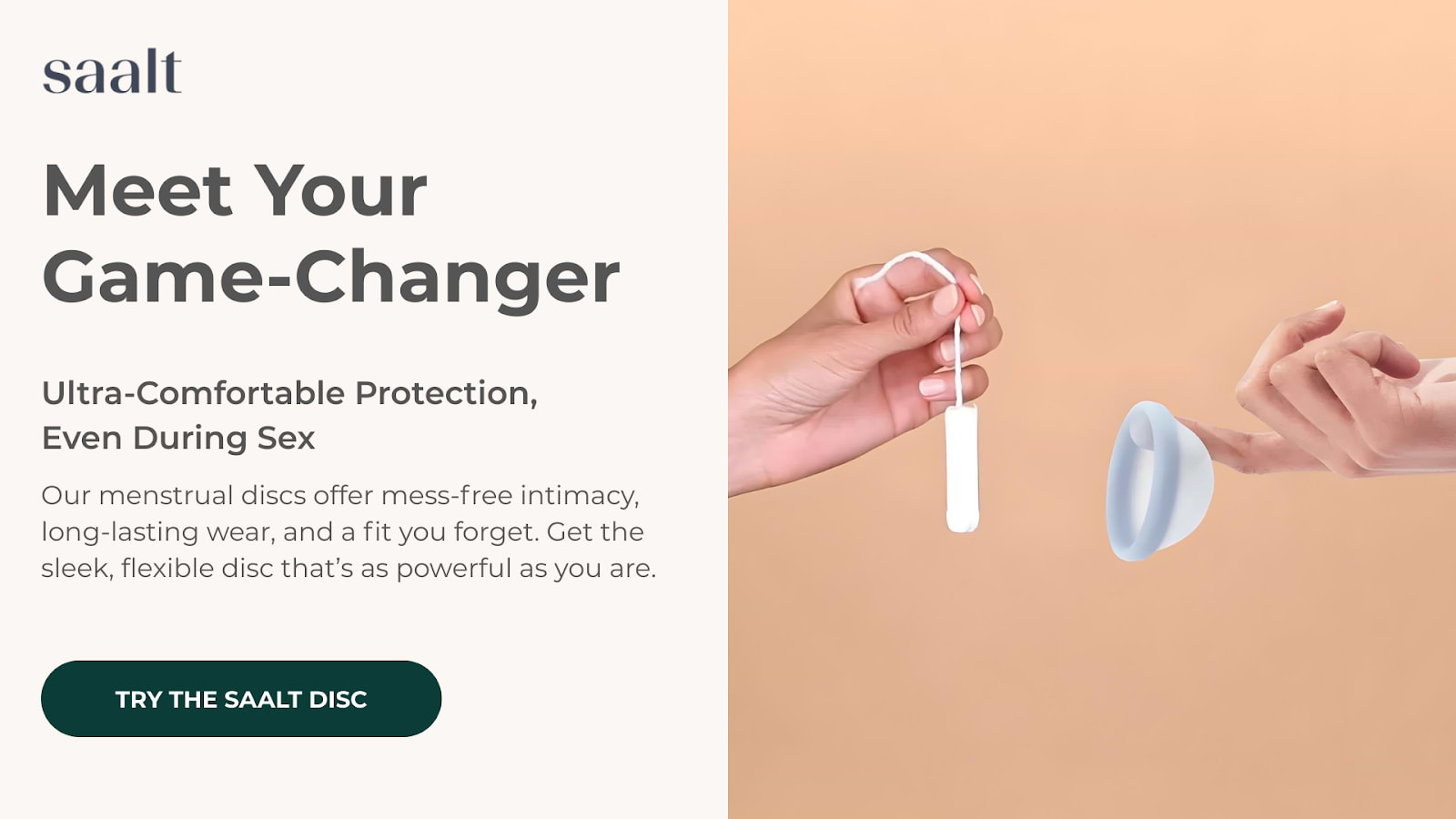
Menstrual discs, on the other hand, are flat, rimmed devices—similar to a shallow saucer with a flexible membrane. You pinch the rim and insert the disc, guiding it higher than a cup so it sits at the base of the cervix. The rim of the disc tucks behind your pubic bone, anchoring it in place. This higher placement allows discs to be worn comfortably during activities that might not suit a cup, such as penetrative sex.
In summary:
-
Cups sit low in the vaginal canal and are supported by the vaginal walls.
-
Discs sit high at the base of the cervix and secure behind the pubic bone.
Both are designed for leak resistance and comfort. The best choice depends on your unique anatomy, comfort, and lifestyle needs.
Learning Curve: Insertion, Removal, Cleaning
Switching from pads or tampons to a reusable menstrual cup or disc definitely comes with a bit of a learning curve—but don’t worry, you’re not alone! Let’s break down what it’s really like to get used to inserting, removing, and cleaning both options.
Insertion
Menstrual Cup: A menstrual cup is shaped a bit like a bell and is folded for insertion. Finding the right fold (there are quite a few—C-fold, punch-down, seven-fold) makes the process smoother. The cup sits lower in the vaginal canal, below the cervix. It may take a handful of cycles to get the hang of it, but most users report that with a little patience, muscle memory sets in fast.
Menstrual Disc: Menstrual discs are more like a soft, flexible ring with a thin film, and require a pinch-and-insert method. The disc sits higher in the vaginal fornix, right up against the cervix. Some users find this a bit trickier at first, since placement is higher and requires a slight upward and backward motion. The learning curve can be a little steeper, but those who master it often love the option for mess-free period sex.
Removal
Menstrual Cup: For cups, removal is all about breaking the seal. Pinch the base of the cup to release suction (not the stem!), then gently wiggle it side to side as you pull it out. It can take a bit of practice to perfect this, but slow and steady wins the race—especially when you’re first starting.
Menstrual Disc: Discs don’t rely on suction—they’re held in place by your anatomy. To remove, you’ll hook a finger under the rim and slowly slide it out, keeping it level to avoid spills. There’s a little finesse involved, and the removal can be a bit messier than with cups, but many users find it gets easier with each cycle.
Cleaning
Both cups and discs are reusable and need regular cleaning. After removal, rinse with water, and at the end of your cycle, give it a thorough boil to sanitize, or use a bathroom steamer like the Saalt Steamer. Quick tip: Always wash your hands first! Some users like to carry a small bottle of water or wipes for on-the-go cleaning, especially if they’re changing their cup or disc in a public bathroom. Over time, keeping these devices clean becomes second nature.
Flow & Capacity: Which Holds More
When it comes to period protection, one of the most important things to know is how much fluid your chosen product can actually hold. Both menstrual cups and menstrual discs are designed to offer several hours of leak-free wear, but the nuances in their designs can make a notable difference in capacity and comfort.
Menstrual Cups: Cups typically sit low in the vaginal canal and form a gentle seal, collecting flow directly from the cervix. Depending on their size and brand, most menstrual cups can hold between 15-30 milliliters of fluid, though some larger sizes go up to about 37 milliliters. Cups are a solid choice if you have a regular to heavy flow, as they usually come in multiple sizes and shapes to match your needs. Because of their snug fit low in the canal, cups can also be a great option for those who prefer a more secure feeling.
Menstrual Discs: Discs rest higher up, right behind the pubic bone in the vaginal fornix. Their unique, shallow design means they’re more like a flexible bowl than a cup, capable of holding up to 70 milliliters in some models—making them a top pick for anyone with a very heavy flow. Plus, their position allows them to expand and accommodate more volume without as much risk of displacement. Some people even notice that discs “self-empty” a bit when using the bathroom, although this isn’t universal.
Choosing What’s Best for You: Ultimately, if maximum capacity is your top priority, discs generally come out ahead, especially on those heavy flow days. However, comfort, fit, and lifestyle factors also play crucial roles. Some find the security of cups unbeatable, while others love the high-volume, low-profile feel of a disc. Understanding your body, flow, and what feels right will help you pick the period protection that keeps you worry-free—no matter what your day has in store.
Make the Switch: Cup or Disc? Choosing What Works Best for You
When it comes to managing your period, knowing what the difference between a period cup and disc is can be the key to finding real, lasting comfort. Both menstrual cups and discs offer sustainable, reusable ways to ditch disposables and support your lifestyle—whether you’re tackling postpartum changes, navigating bladder leaks, or just want to say goodbye to midnight linen changes.
Cups are classics for a reason: they’re easy to use, reliable for all-day protection, and come in sizes and shapes to match your body. But for some, discs deliver a game-changing, barely-there fit and the convenience of mess-free period sex (yes, really). The best choice? The one that fits your flow, your routine, and your comfort zone.
At Saalt, we believe nobody should have to sacrifice daily confidence for sustainability or affordability. That’s why we offer premium menstrual cups, discs, and leakproof panties, made without PFAs with no compromises. We’re here for you through every stage, supporting active, leak-free living for teens, during pregnancy, postpartum, and beyond. And as a certified B-Corp, each purchase also helps us further period equity worldwide.
Ready to make a change? Explore Saalt’s range of reusable products and discover the leakproof freedom you deserve.
Read Also:
Frequently Asked Questions About Menstrual Cups vs. Discs
What is a menstrual cup?
A menstrual cup is a reusable, bell-shaped device made from medical-grade silicone or similar safe materials. It’s designed to be folded and inserted into the vagina, where it opens and forms a gentle seal against the vaginal walls to collect menstrual fluid. Instead of absorbing like pads or tampons, a cup collects, making it eco-friendly and wallet-friendly in the long run. (Mayo Clinic)
What is a menstrual disc?
A menstrual disc is a flexible, disc-shaped menstrual product that sits higher in the vaginal fornix—right at the base of the cervix. Like a cup, it collects menstrual flow rather than absorbing it. Menstrual discs tend to be a popular choice for those looking for something ultra-discreet, especially if they want mess-free period sex, since discs sit out of the way of vaginal walls.
What are the main differences between cups and discs?
The biggest difference lies in placement and fit. Menstrual cups sit lower in the vaginal canal and create a light suction to stay in place, while menstrual discs rest higher up, tucked behind the pubic bone. Cups are bell-shaped; discs are flat and wider. Insertion, removal, comfort, and capacity can also differ. And while both are reusable and sustainable, some people find one fits their lifestyle better than the other.
Are menstrual cups or discs more comfortable?
Comfort is subjective! Some Saalt users love the secure feel of a cup and the reassurance of a snug, leakproof fit—especially for active days or heavy flows. Other people find that discs are so discreet, they kind of forget they’re even wearing one (bonus: you can have mess-free sex with a disc in, unlike a cup). If you’re new to either, give both a try and listen to your body.
Which is easier to insert, cup or disc?
This one’s a toss-up and depends on your anatomy and preferences. Menstrual cups generally require a “fold, then release” technique, while discs need to be pinched and pushed all the way in, then tucked behind your pubic bone. Cups are usually easier for beginners who want a secure, low placement. Discs might take a little practice, but the learning curve is worth it for some. If you’re nervous about insertion, starting with a cup might feel a little more intuitive.
Sources:
-
Grajkowski, A., MD. (2023, July 7). Menstrual cups: Why the recent increase in popularity? Mayo Clinic Health System. https://www.mayoclinichealthsystem.org/hometown-health/speaking-of-health/menstrual-cups-vs-tampons-things-you-might-not-know-about-the-cup


