


Key Takeaways:
-
Soothing Period Showers: Showering can ease cramps, improve hygiene, and enhance mood during your period by using warm water and gentle, fragrance-free products.
-
Prep Prevents Leaks: Effective preparation and the right water temperature can help manage menstrual flow and prevent leaks, with simple routines making a significant difference.
-
Respect Natural Balance: Prioritizing external vulva care while understanding the body's natural cleaning processes ensures safety and comfort, as unnecessary internal cleaning can disrupt the body's balance.
Here’s the unvarnished truth: showers on your period can feel complicated for no good reason. You’re juggling cramps, fatigue, and the messy logistics of blood, all while just trying to get clean and get on with your day. The good news? With a few smart tweaks to your routine, you can turn a period shower from “ugh, hassle” into a calm, efficient reset that supports your body and your schedule—whether you’re postpartum, managing bladder leaks, or just trying to stay active without interruptions.
This guide is a pragmatic walkthrough—what actually helps, what doesn’t, and how to keep things comfortable and leak-free from shampoo to towel-off. We’ll cover how to time your shower around your flow, techniques to reduce mess and stress, ways to soothe cramps right in the shower, and post-shower strategies that keep you dry and confident. We’ll also touch on reusable options that are better for your body and the planet, including Saalt’s premium menstrual cups, menstrual discs, and leakproof underwear designed for all-day comfort across absorbencies, styles, and sizes.
No fluff. No myths. Just actionable steps to make your period shower routine feel easier, cleaner, and more in your control—so you can skip the panic sprints and sweater-around-the-waist workarounds, and get back to life feeling fresh.
Benefits of Showering During Your Period
Showering during your period offers multiple health and comfort benefits. Warm water relaxes uterine muscles and eases cramps and bloating, while also improving blood circulation for quick pain relief. (Healthline) Gentle cleaning helps remove sweat, blood, and bacteria from the vulva and inner thighs, reducing odors and minimizing the risk of irritation—just stick to mild, unscented cleansers externally.
A shower provides a mental reset, lifting mood, relieving stress, and promoting calm—especially welcome on heavier days. It also helps manage leaks and residue, making product changes cleaner and quicker for peace of mind. If you shower in the evening, the heat can promote better sleep by lowering your core body temperature once you get out.
For those with increased skin sensitivity due to hormonal shifts, a short, lukewarm shower followed by fragrance-free moisturizer soothes the skin. Exercise during your period? Showers efficiently rinse away sweat and ease post-workout cramps. Creating a consistent shower ritual also brings a sense of routine and control when hormones make things feel unpredictable. Altogether, regular showering supports hygiene, comfort, and emotional well-being during menstruation. (Verywell Health)
Stay Confident and Comfortable with Saalt
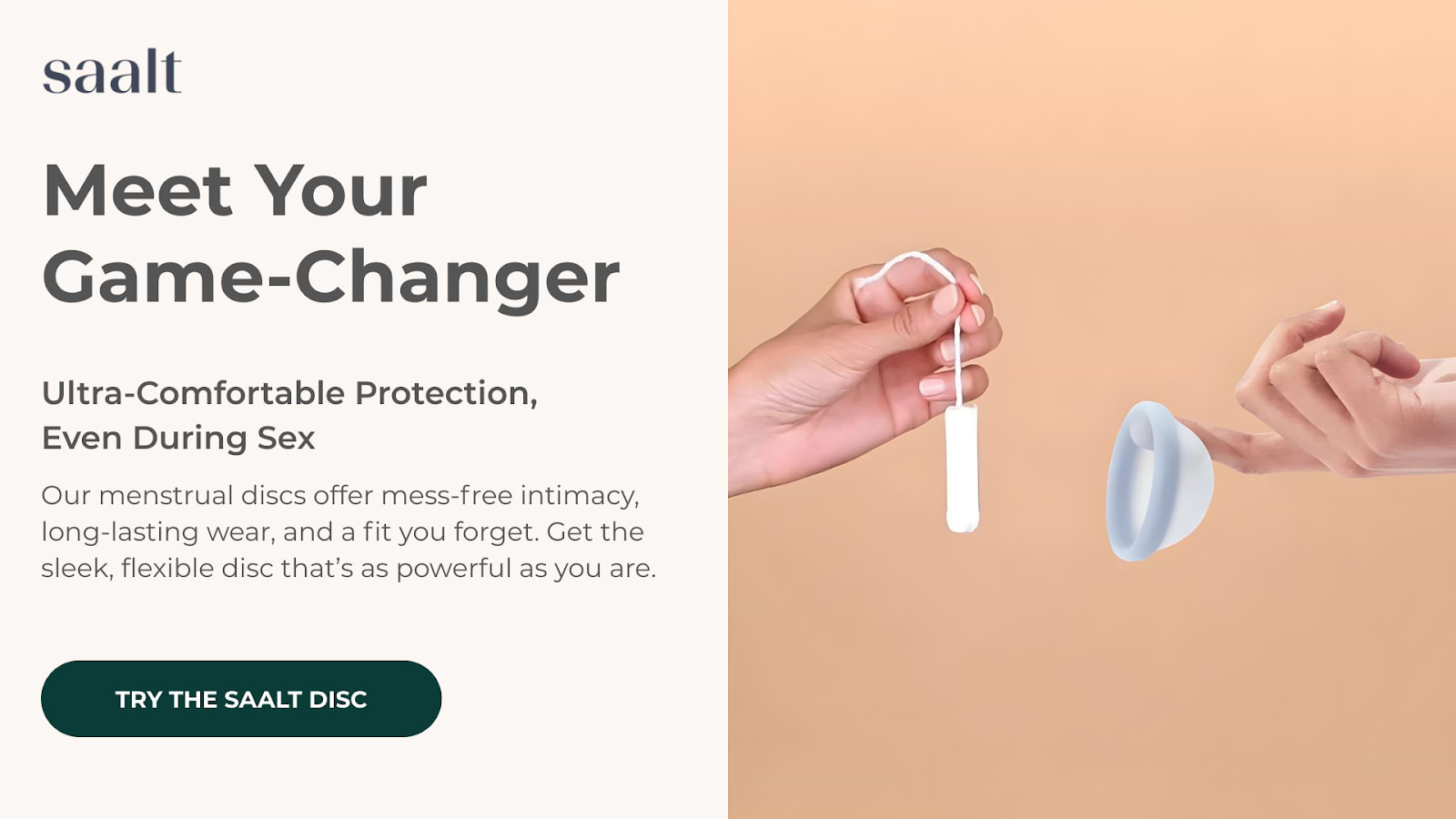
Take back your day—and your shower—with Saalt. Shop now and make leaks one less thing to worry about. |
Pre-Shower Prep: Essentials to Keep Nearby
Before stepping into the shower on your period, set yourself up for a smooth and stress-free routine. A fresh towel—or even two—can make a big difference. Many people like to designate a darker “period towel” to avoid stress over stains. Keeping a small hand towel nearby is also helpful for drying your hands mid-rinse if needed.
Stick with a gentle, fragrance-free body wash for cleansing the external vulva only, since the vagina is naturally self-cleaning and doesn’t need internal washes. If you’re prone to irritation, a mild pH-balanced vulva cleanser can be a comforting addition. A clean washcloth or soft sponge can offer a more controlled, gentle cleanse around the vulva or inner thighs if you prefer.
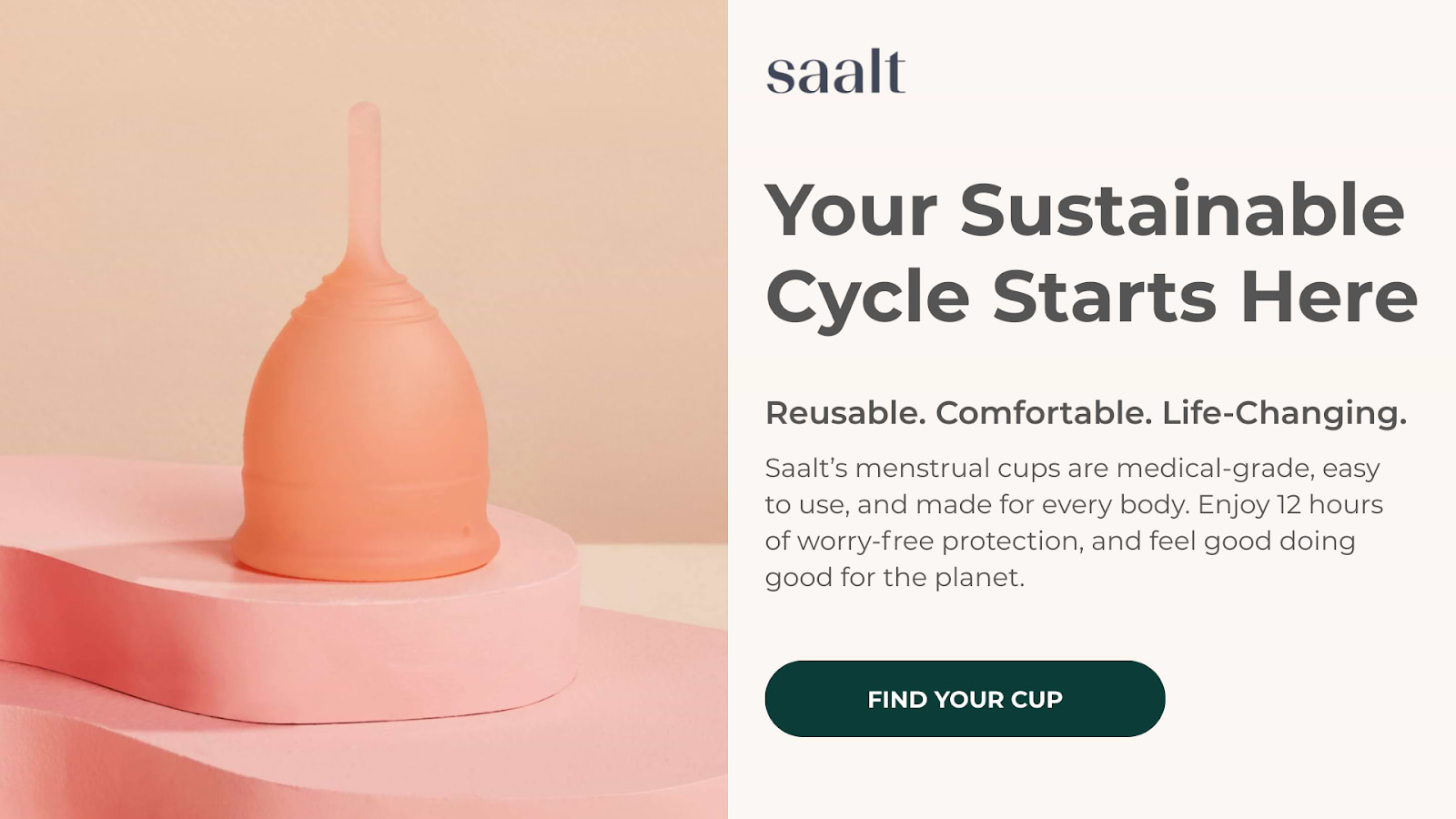
Prepare your next period product before showering so you’re not dripping while searching through drawers afterward. Whether you use a pad, tampon, cup, disc, or leakproof period underwear, keep it within reach. If you use a menstrual cup or disc, having a silicone-safe cleanser or mild, scent-free soap nearby makes a quick rinse and reinsertion simple—and yes, the shower water acts as the perfect lubricant.
A waterproof trash bag or small bin is useful if you’re removing a pad or tampon right before stepping in, reducing mess and unnecessary steps. Hair ties or headbands help keep your hair up and out of the way, and a dark or quick-dry robe is ideal for slipping into immediately after your shower while you transition to your next protection. Some people also like to keep a lightly colored washcloth on hand to more easily monitor changes in discharge or blood color.
Creating a small staging zone in your shower caddy or shelf prevents slippery juggling of products, and softer lighting can make the entire routine feel calmer and more comfortable.
Pro tip: If you’re worried about spotting on the way to the shower, remove your pad or tampon inside the bathroom, step into the shower immediately, and keep your next product within arm’s reach so you can reinsert or change right after you towel off.
Best Water Temperature for Cramps and Comfort
If cramps feel like a slow, relentless boss fight, consider your shower the soothing side quest. The temperature you choose matters more than you’d think.
-
Aim for warm—not scalding. A steady stream of warm water (around 98–104°F / 37–40°C) helps relax the uterine muscles that trigger cramping. It also boosts circulation, which can ease that deep, achy tension in your lower back and abdomen.
-
Avoid very hot showers. Super-hot water might feel good for a minute, but it can dilate blood vessels and, for some, briefly increase bleeding or leave you lightheaded. If your skin turns red or you feel woozy, dial it back.
-
Use a heat-and-cool combo strategically. Start warm to loosen muscles, then finish with a quick 10–20 second cool rinse on your legs and lower back. That mild contrast can reduce inflammation and leave you feeling more energized post-shower.
-
Direct the warmth where it hurts. Let the water hit your lower belly and lower back for a minute or two at a time (think: targeted heat therapy). If your showerhead has massage settings, use a low-to-medium pulsating mode to ease muscle tension.
-
Keep it short and steady. A 10–15 minute warm shower is enough to reap the benefits without overheating or drying out your skin. If you’re prone to dizziness during your period, sit on a shower stool or lean against the wall, and keep the bathroom well-ventilated.
-
Rehydrate after. Warm water can be dehydrating. Drink a glass of water post-shower to help minimize fatigue and headaches that can tag along with cramps.
-
Layer in gentle support. After the shower, applying a warm compress or a heating pad to your abdomen can extend the relief. If you’re sensitive to fragrances, stick to simple, unscented body washes to avoid irritation while your skin may be more reactive.
Washing Your Vulva vs. Vagina: What’s Safe and What’s Not
Your vulva (external genital area) and vagina (internal canal) need different care in the shower.
How to Wash Your Vulva (External)
-
Use lukewarm water and a gentle, fragrance-free cleanser.
-
Gently clean labial folds with your fingers.
-
Rinse well and pat dry—no rubbing or loofahs.
Vulvar skin is sensitive—avoid fragrances or harsh soaps that can cause irritation, especially during your period. (CDC)
What Not to Do to Your Vulva
-
No perfumed soaps, antibacterial washes, or deodorant sprays.
-
Shave carefully, if you do, with a clean, sharp razor and mild gel.
How to Care for Your Vagina (Internal)
Never wash inside the vagina. It is self-cleaning and maintains a healthy pH with good bacteria. Avoid douching and internal cleansers—these disrupt your natural balance.
Handling Odor and Discharge During Your Period
-
Light, blood-like odor is normal; strong, fishy smells are not—consult a healthcare provider.
-
Change period products regularly and rinse the vulva after workouts or heavy flow days if needed.
Quick Do/Don’t Recap
-
Do: Gently wash the vulva; pat dry.
-
Don’t: Put anything inside the vagina.
-
Do: Seek medical advice if you notice itching, burning, or strong odor.
Managing Clots and Heavy Flow Directly in the Shower
Use lukewarm water in the shower—very hot water can make bleeding appear heavier. Allow a gentle stream to rinse away blood and clots, always directing water from front to back for proper hygiene. If you’re using a cleanser, stick to a gentle, fragrance-free wash and only cleanse the external vulvar skin. Avoid internal washing so you don’t disrupt your vagina’s natural pH balance.
Clots will typically rinse away on their own, and they’re completely normal—especially on heavier flow days, postpartum, or when there’s been a longer time between changes. If you’re worried about clots going down the drain, you can catch them with your hand, dissolve them under the water, and rinse them away. A handheld showerhead can make focusing the water flow easier and help ensure everything is thoroughly cleaned. Afterward, finish with a final rinse from front to back to remove any diluted blood on the vulva or inner thighs.
If you begin to feel lightheaded, pause and steady yourself. Heavy bleeding, steam, and low iron can sometimes combine to cause dizziness, so take your time. Try timing your shower with product changes—for pads, briefs, or tampons, shower just before swapping. If you use internal protection, remove it when due for a change. (Pro tip: empty your cup or disc in the shower—water acts as the perfect lubricant for reinsertion.)
Keep a dark washcloth nearby for quick cleanup or catching drips after you step out. Regular showering can help reduce odor, which is caused by blood exposure to air, not poor hygiene. Passing occasional quarter-sized clots is normal. But if you’re soaking through protection every hour or passing very large clots, it’s smart to reach out to a healthcare provider.
Wrapping Up
Showering on your period isn’t a production—it’s a simple, self-kindness ritual that can help you feel clean, calm, and in control. A warm rinse can ease cramps, relax muscles, and wash away worries along with everything else. Keep it straightforward: use gentle products, rinse with warm (not hot) water, and don’t stress about bleeding in the shower—it’s normal. If you’re managing heavier flow, grab a washcloth, keep a dark towel nearby, and consider swapping into a clean pair of Saalt Leakproof Underwear afterward for seamless protection as you move through your day.
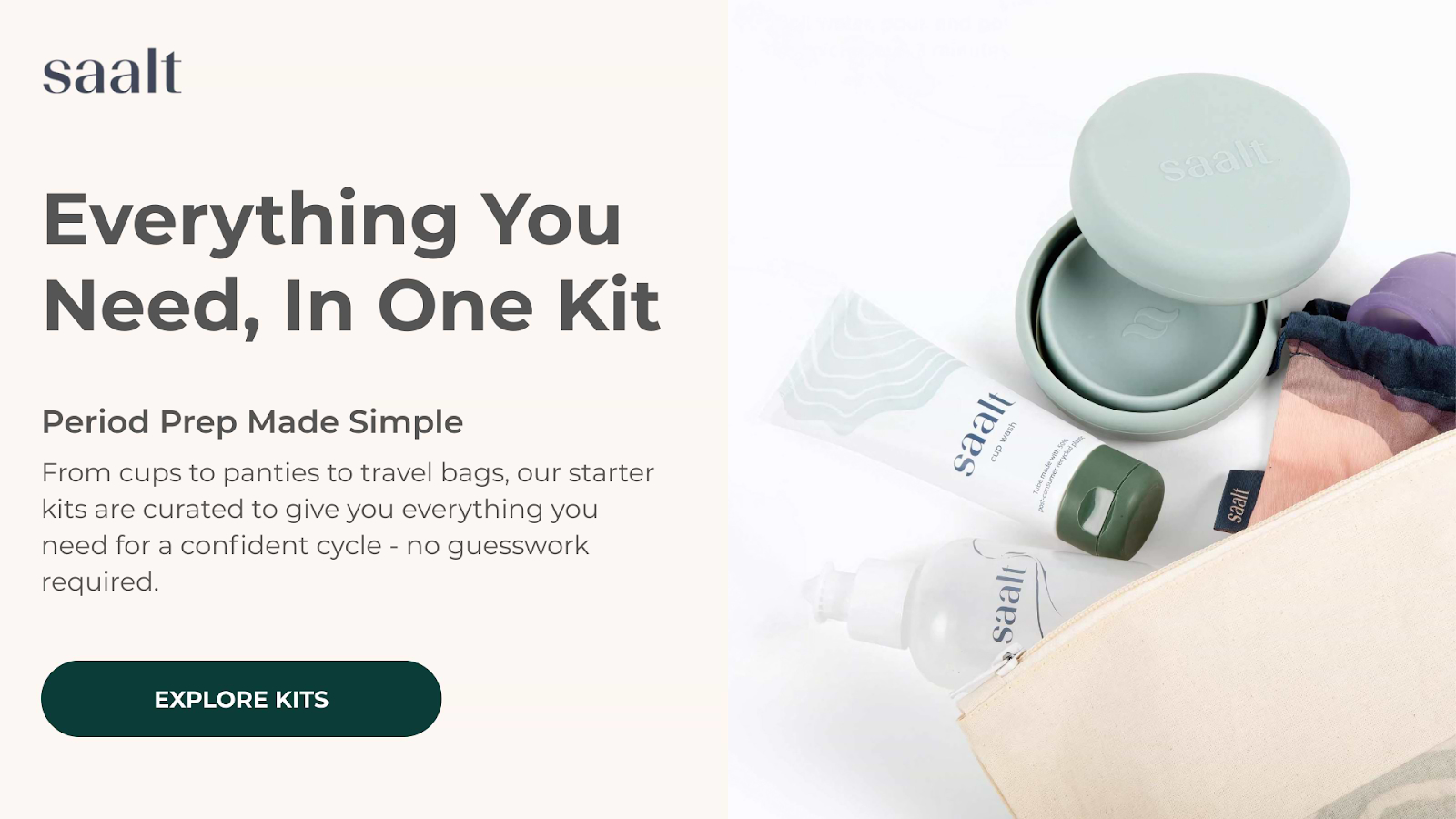
Whether you’re postpartum, dealing with bladder leaks, or just want to keep living life on your terms, small, consistent habits make a big difference. Trust your body, set up your shower routine the way you like it, and keep your go-bag stocked so you never feel unprepared. At Saalt, we’re here to replace the panic with peace: premium, leakproof underwear made with out PFAS, reusable period cups and menstrual discs, and a mission that puts sustainability and period equity first. Less waste, more comfort, and zero towel-on-the-bed energy. You’ve got this—take the shower, take the day, and let Saalt cover the rest.
Read Also:
-
Why Do You Get Night Sweats During Your Period? A Hormonal Breakdown
-
A Beginner's Guide to Menstrual Cup Insertion: Tips and Tricks for the Best Experience
FAQs About Showering on Your Period
Is it safe to shower while on my period?
Absolutely. Showering on your period is not only safe—it’s beneficial. Warm water helps relax muscles, increases circulation, and can reduce cramping and tension. If you’re concerned about bleeding in the shower, know that water pressure may temporarily slow flow, and a quick rinse afterward keeps you feeling fresh. For extra confidence post-shower, slip into the best leakproof underwear for breathable coverage that protects against spotting, discharge, and bladder leaks.
Can taking a shower help with menstrual cramps?
Yes. A warm shower can be a mini reset for your body. Heat helps relax uterine muscles and may ease cramp intensity. Try letting warm water run over your lower abdomen and lower back for several minutes. Pair your shower with gentle stretches—hip openers, child’s pose, or a slow torso twist—to further reduce tension. Afterward, comfortable, supportive layers—like Saalt’s leakproof styles in your preferred absorbency—can keep you dry and relaxed as the relief sets in.
Should I shower more frequently during my period?
It depends on your comfort and activity level. Daily showers are a solid baseline, and on heavy-flow days or after workouts, an extra quick rinse can help you feel refreshed and reduce odor caused by sweat and bacteria (not the blood itself). If you’re postpartum or managing light bladder leaks, a simple rinse can be soothing without over-cleansing. Between showers, changing into fresh Saalt Leakproof Underwear helps manage moisture and maintains comfort without constant scrubbing.
Should I use special soaps or products on my period?
Keep it simple. Use mild, fragrance-free soap on your external vulva only—never inside the vagina, which is self-cleaning and can be disrupted by harsh products. Avoid douches, scented washes, and antimicrobial “intimate” soaps that can throw off your pH. If you prefer a cleanser, choose a gentle, pH-balanced option and rinse thoroughly. After showering, pat dry and switch into clean, breathable layers. Saalt Leakproof Underwear is designed without PFAS in the finishing process and offers comfortable, sustainable protection for period flow, postpartum recovery, and bladder leaks—no extra “feminine” products required.
Sources:
-
CDC. (2024, May 7) Healthy Habits: Menstrual Hygiene. https://www.cdc.gov/hygiene/about/menstrual-hygiene.html
-
Healthline. (2022, February 24) Why It’s Totally Fine to Take a Bath on Your Period. https://www.healthline.com/health/can-you-take-a-bath-on-period
-
Verywell Health. (2025, August 20) 6 Facts About Your Period: Take a Bath, Swimming, Sex, and More. https://www.verywellhealth.com/period-myths-2721944


