


| Quick Answer Chafing is skin irritation caused by repeated friction, often where skin rubs against skin, fabric, or seams. To treat chafing in the groin area, rinse the area gently with cool water and a mild soap, pat the area dry, and apply a fragrance-free barrier cream (like petroleum jelly or zinc oxide) to soothe chafed skin and reduce friction while it heals. |
|---|
Key Takeaways:
- Groin Chafing Causes: Understand the causes of groin chafing, which include skin friction from clothing and hormonal changes, often exacerbating during activities or seasons of high sweat and moisture.
- Chafing Warning Signs: Recognize early warning signs of chafing such as redness, itching, or a burning sensation to swiftly address and prevent further irritation or skin damage.
- Relief & Prevention: Implement quick relief and preventative measures by gently cleansing, applying barrier creams, and opting for breathable fabrics to reduce friction and promote healing.
Chafing in the groin area is one of those stubborn discomforts that can quickly turn your day upside down.
For some, groin chafing can show up during a sweaty workout, a long walk on a hot day, or just while going about daily routines, especially if you’re wearing certain fabrics, experiencing postpartum changes, or navigating hormonal shifts.
The good news? You’re certainly not alone, and relief is closer than you think. That’s why knowing how to treat chafing in the groin area as a female is an absolute game-changer for comfort and confidence.
Chafing around the vulva area happens when delicate skin rubs together or against clothing, leading to irritation, redness, itchiness, and even painful sores. Left unchecked, it can progress into more serious skin issues, making prevention and early treatment a must.
But you don’t have to suffer in silence or let chafing slow you down! With the right knowledge and a few simple changes, you can enjoy smoother days, whether you’re hitting the gym, traveling, or just embracing life’s everyday hustle.
In this in-depth guide, we’ll cover why groin chafing happens, what signs to look for, and proven treatments to soothe and heal your skin fast.
Plus, discover Prevention 101: tips for staying dry, friction-free, and comfortable, including choosing moisture-wicking, leakproof underwear designed with women’s needs in mind.
Ready for comfort, confidence, and the freedom to move? Let’s get started, because every woman deserves irritation-free days, every day.

What Exactly Is Groin Chafing?
Groin chafing is a common and frustrating skin irritation that many women experience, especially during the warmer months or when doing activities that involve a lot of movement.
This consistent friction gradually wears away the upper layer of skin (epidermis), breaking down your skin’s protective barrier.
When friction is combined with sweat and moisture, as is often the case during exercise, hot weather, or even just walking around on humid days, the chances of developing chafing increase significantly.
Damp skin is softer and more prone to irritation, making it an ideal environment for chafing to develop. Tight-fitting clothes, especially those made from non-breathable fabrics, can also exacerbate the problem by trapping heat and moisture against the skin. (Cleveland Clinic)
The symptoms of groin chafing are hard to ignore. They can include:
- Redness
- A stinging or burning sensation
- Tenderness or itching
- Raw patches that sometimes bleed or swell
In severe cases, small blisters may develop, adding even more discomfort, especially if you’re wearing bulky pads or damp, rubbing layers instead of breathable period underwear.
What Causes Groin Chafing?
A handful of everyday culprits contribute to chafing in the groin area for females. Here’s what to watch for:
- Friction from movement: Walking, running, or even sitting for long stretches can cause skin-on-skin contact between the thighs that leads to chafing.
- Sweat and humidity: Moisture softens the skin and makes it more prone to chafing, especially in warm or humid weather.
- Pad bulk during your period: Thick pads can add layers of fabric between the thighs, increasing friction and trapping moisture against the skin.
- Post-shave irritation: Freshly shaved skin is more sensitive, and ingrown hairs can add extra friction. Stick to fragrance-free barrier products while the area heals, and skip scented lotions on freshly shaved skin.
- Hormonal skin changes: Shifts in estrogen during your cycle, pregnancy, or perimenopause can thin the skin’s barrier and make it more reactive to friction.
- Rough seams and tight fabrics: Stiff seams, lace edges, or non-breathable underwear can rub against sensitive skin all day long.
Why Women Experience Chafing More During Hormonal Shifts
Hormonal shifts, such as those occurring during puberty, pregnancy, postpartum recovery, or menopause, can throw your body and skin out of its normal rhythm.
Many women observe that their skin, especially in sensitive areas like the groin, feels more irritated or prone to discomfort during these times. But what’s behind the link between hormones and increased chafing?
Estrogen, the primary female sex hormone, is vital for maintaining soft, resilient, and hydrated skin. When estrogen levels fluctuate, as they naturally do during various hormonal cycles, your skin’s barrier can become thinner and less capable of holding onto moisture.
As a result, skin may become drier or more sensitive than usual. Meanwhile, hormonal swings might alter your sweat patterns, leading to increased dampness in areas like the inner thighs or groin, further increasing the likelihood of chafing where skin rubs together.
In addition, body composition can fluctuate during hormonal shifts.
For example, weight gain in pregnancy or water retention during the menstrual cycle can create more skin-on-skin contact in the groin area. Increased friction, combined with skin that’s hormonally compromised, can quickly lead to redness, stinging, itchiness, or even painful raw spots.
Wearing breathable, moisture-wicking, leakproof panties can also help by keeping sweat and discharge off the skin, reducing rubbing and irritation.
What’s more, the body’s immune response may be slower to heal minor injuries when hormone levels are out of balance. That means any chafed areas can take longer to recover, leaving you uncomfortable.
Women experiencing hormonal changes, it’s important to be mindful of these increased risks and use proactive measures, like moisture-wicking fabrics, gentle skincare, or anti-chafe balms, to keep skin healthy and comfortable.
Early Warning Signs You Shouldn’t Ignore
Groin chafing can sneak up on you, but picking up on the early warning signs is key to preventing further irritation or even infection.
Taking action at the first hint of irritation can save you a lot of pain and help you stay comfortable throughout your day.
Here are some common early signs of groin chafing to keep an eye on:
- Redness or Mild Rash: One of the first things you might notice is a slight redness or a light rash developing in the creases of your groin or between your thighs. This area may look flushed or irritated and could feel warmer than the skin around it.
- Persistent Itchiness or Tingling: An ongoing itch or a crawling, tingling sensation is a classic sign of skin that’s just beginning to break down. This discomfort is a signal that friction is taking its toll, even if there’s no pain yet.
- Burning Sensation: A mild, nagging burn, especially post-exercise or after a long day on your feet, is a telltale sign of chafing in its earliest stages.
- Noticeable Dampness: Excess moisture in the groin area, due to sweat or humidity, can make things worse fast. If your underwear feels persistently damp, don’t ignore it, switching into breathable period pants can help wick moisture away and reduce rubbing.
- Small Bumps or Blisters: Left unchecked, early chafing will often develop into tiny raised bumps or even small blisters. At this stage, intervention is key to prevent further injury or possible infection.
Catching and addressing these early signs with proper hygiene, breathable clothing, and soothing barrier creams can make all the difference, keeping you comfortable and active.
A quick heads-up: Not every red, itchy patch in the groin area is chafing. If redness is paired with thick discharge, a strong odor, or doesn’t improve within 3–5 days, the issue may not be chafing. It could be contact dermatitis, a yeast infection, or another condition.
When in doubt, always check in with a healthcare provider.
Quick First-Aid for Raw, Irritated Skin
When you notice the first signs of chafing, redness, tenderness, maybe even a sting, it’s time to act fast. The quicker you treat irritated skin, the faster it heals, and the less likely you are to deal with infection or prolonged pain. Here’s what you can do right away:
- Cleanse gently: Use lukewarm water and a mild, unscented soap to clean the area. Harsh cleansers can make things worse, so stick to gentle products that won’t strip your skin or cause further irritation.
- Pat, don’t rub: After washing, dry the skin with a soft towel. Avoid rubbing, which can aggravate the skin and make chafing worse.
- Apply a barrier: Reach for a fragrance-free, hypoallergenic ointment or barrier cream. Petroleum jelly or a gentle zinc oxide cream can help protect the skin from further friction while it heals. (Web MD)
- Let it breathe: If possible, allow the area to air out for a while. Loose, breathable underwear—or going commando for a bit if you’re at home—can help your skin recover by reducing moisture and friction. (Cleveland Clinic) If you’re on your period, menstrual discs can be a lower-bulk option that may help you avoid extra rubbing from pads.
- Wear loose-fitting clothes: Choose soft, loose fabrics that keep seams and edges away from irritated skin. If you need to get moving again, moisture-wicking and seamless undergarments are your best friends, especially if you use period cups and want a secure, low-friction option during workouts or long days.
- Avoid irritants: Steer clear of scented products, powders, or sprays in the area until your skin is fully healed.
Acting quickly when chafing strikes can make a world of difference. With a little targeted TLC, you’ll stop irritation in its tracks and help your skin bounce back smoother and stronger.
How to Prevent Chafing During Your Period
Your period adds a few extra variables to the chafing equation: more moisture, more bulk between the thighs, and skin that’s often more sensitive thanks to hormonal shifts.
A few small swaps can go a long way toward preventing groin chafing on the days you need comfort most.
Swap to a cup or disc to ditch the bulk
Thick pads sit between your inner thighs all day, adding a layer of fabric (and often a damp one) right where skin rubs together. That bulk increases skin rubbing and traps heat, which is a classic setup for thigh chafing.
If you’re prone to chafing on your period, the pad itself may be a big part of the problem.
Switching to a menstrual cup or disc eliminates pad bulk entirely; nothing sits between your thighs, and there’s no external moisture against the skin.
For people who deal with inner thigh chafing during high-sweat days, going internal can be a game-changer for preventing groin chafing.
Reach for breathable, moisture-wicking underwear
Sweat and menstrual fluid together keep the groin area damp for hours, softening the skin’s barrier and making it easier for friction to cause irritation.
Damp skin chafes faster, and chafing can also take longer to heal when the area stays moist.
So, if you’re looking for underwear-based protection during periods, look for breathable period undies with a moisture-wicking gusset.
Moisture-wicking fabrics pull dampness away from the skin and reduce the skin-on-skin contact that leads to chafing during your period.
Pair them with anti-chafing cream on the inner thighs on heavy-flow days, and you’ve got a solid line of defense.
| Take Control of Chafing—Stay Comfortable with Saalt Chafing in the groin area can be uncomfortable, distracting, and even painful. But you don’t have to let it slow you down or keep you from living your fullest life. At Saalt, we believe every woman deserves the confidence to move freely, without worrying about leaks, irritation, or discomfort. Here’s how Saalt can help you treat chafing and protect your sensitive areas, every single day: Premium Leakproof Underwear: Our ultra-soft, moisture-wicking fabrics, made without PFAs, keep sweat and secretions away from your skin, reducing the risk of chafing, irritation, and rashes. Life-Stage Support: Whether you’re a teen, a new mom, or navigating peri/menopause, Saalt’s range of styles and absorbencies have you covered through every phase. Pregnancy glow, postpartum changes, or everyday leaks? We’re with you. Sustainable Comfort: Saalt’s mission goes beyond just great underwear. As a certified B-Corp, we ensure every pair, including our ultra-soft period panties, are ethically made, reusable (less waste!), and accessible for all, thanks to our impact and charity programs. Freedom to Move: Enjoy walks, workouts, or chasing after little ones without fear of friction or leaks interfering with your day. Ready to experience comfort, sustainability, and leakproof confidence? Shop Saalt leakproof underwear now and take the first step toward a chafe-free, worry-free you! |
|---|
Gentle Cleansing and Drying Techniques
When you’re dealing with chafing in the groin area, a gentle touch is essential. The skin in this region is especially delicate, and when it’s irritated, it’s even more vulnerable to harsh soaps, rough towels, or aggressive scrubbing. To promote healing and prevent further discomfort, it’s best to stick to a simple, soothing cleansing routine.
The first step in treating the chafed area is to rinse with lukewarm water. Avoid hot water, which can further dry and irritate sensitive skin. If you need to use soap, choose one that’s fragrance-free and formulated for sensitive skin. Apply a small amount with your fingertips and rinse thoroughly, leaving behind any residue can worsen irritation.
After cleansing, skip rubbing with a towel. Instead, pat the area dry with a clean, soft cloth. Letting the skin air dry for a few minutes before getting dressed can be an added bonus, allowing lingering moisture to evaporate completely. If you’re in a rush, a cool setting on a hair dryer (from a distance) can help, but only if it feels comfortable.
These mindful steps keep the groin area clean, minimize further irritation, and set the stage for additional treatments, whether that’s barrier creams, gentle balms, or breathable fabrics. And if you’re managing your period at the same time, a cup for period can help reduce bulky layers that trap moisture and contribute to friction. Consistency is key: a daily routine focused on gentle cleansing and careful drying can make all the difference for healing and prevention.

Comfort and Confidence Are Within Reach
Chafing in the groin area is more common than you might think, and it’s something no one should have to simply “put up with.” Whether you’re a busy mom, navigating postpartum life, dealing with bladder leaks, or just trying to stay active and comfortable as you get older, you deserve solutions that restore comfort and your confidence. The key is to stay proactive: keep the affected area clean, choose soft and breathable fabrics, and don’t be afraid to give your skin the TLC it needs with balms and moisture-wicking underwear.
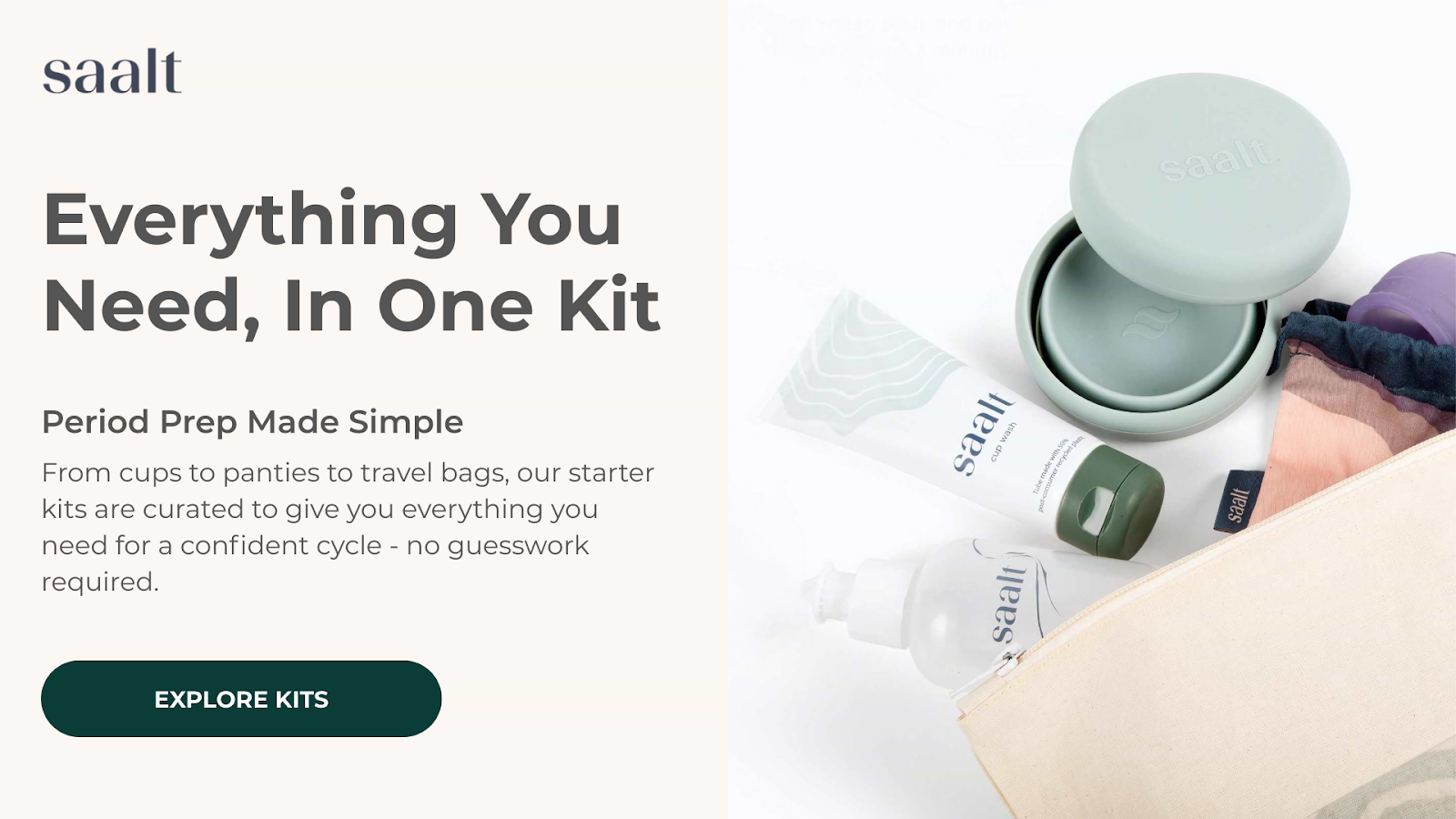
At Saalt, we're committed to supporting you through every stage of life with a menstrual disc, menstrual cup, and leakproof underwear designed for real bodies and all of life’s leaks. Our sustainable period products, made without PFAs, come in a range of absorbencies and styles, so you’ll never have to sacrifice comfort for protection.
Plus, by choosing Saalt, you’re not just caring for your own well-being; you’re supporting a mission of period equity and sustainability that uplifts women worldwide.
Chafing relief doesn’t have to be complicated or frustrating. With the right preventive steps and self-care, you can step out in confidence, worry-free, comfortable, and ready for whatever life throws your way.
Read Also:
- Why Does Your Vagina Hurt During Your Period? Common Causes and Relief Tips
- How to Get Rid of Inner Thigh Odor: Causes, Remedies & Prevention
- How Often Should You Change Period Underwear? Hygiene Guide
Frequently Asked Questions About Treating Chafing in the Groin Area (Female Guide)
What causes chafing in the female groin area?
Chafing in the groin area is usually caused by skin rubbing against skin, fabric, or moisture (like sweat or period leaks) during movement. Factors like tight clothing, physical activity, heat, humidity, and even the type of underwear you wear can make chafing worse. For women, periods, postpartum changes, and bladder leaks can all increase the risk of irritation, especially if you’re using pads that add bulk and moisture, which is one reason some people prefer menstrual cups for a drier, lower-friction period option.
How to immediately relieve pain from groin chafing?
Start by gently cleaning the area with mild soap and cool water. Pat (don’t rub) the skin dry and apply a soothing moisturizer or an ointment like zinc oxide or aloe vera gel. Wearing breathable, non-irritating underwear, like Saalt Leakproof Underwear, can protect the area and allow it to heal. Give your skin some time to rest from friction whenever possible.
Can I use baby powder for groin chafing?
You can use baby powder to help keep the area dry and reduce friction, which may prevent chafing. However, look for talc-free powders, as talc has been linked to health concerns (especially with frequent use in intimate areas). Cornstarch-based powders are a safer option and can help absorb excess moisture.
Is petroleum jelly safe for chafing in the groin area?
Yes, petroleum jelly can be used to protect chafed skin by creating a barrier that reduces friction and locks in moisture. Just make sure to apply it to clean, dry skin. Reapply as needed, especially before activities that might cause more rubbing (like working out or walking long distances).
How do I reduce irritation when walking with chafed skin?
To reduce irritation, wear loose, breathable clothing and opt for soft, moisture-wicking underwear. Products like Saalt Leakproof Underwear can help by drawing moisture away from the skin and reducing friction. If you’re on your period, a period cup can also help minimize bulk and dampness compared with pads, which may make walking more comfortable. Before heading out, apply a barrier cream or ointment to protect sensitive areas. If possible, take breaks, clean the area regularly, and change out of sweaty clothes promptly to promote healing.
How do I know if my rash is chafing or a yeast infection?
Chafing usually looks like flat red or pink irritation along areas of skin-on-skin contact (think inner thighs, groin folds, or under the band of your underwear), and it tends to improve within a few days once you reduce friction and keep the area clean and dry. A yeast infection, on the other hand, often comes with thick white discharge, a strong odor, and intense itching that doesn’t ease up. If your symptoms don’t improve within 3–5 days, or if you notice discharge, odor, or worsening pain, it’s a good idea to check in with a healthcare provider rather than treating it as plain chafing.
Does period underwear help with groin chafing?
Yes, breathable period underwear can be one of the most helpful ways to help prevent groin chafing during your period. Unlike thick pads, Saalt period underwear uses moisture-wicking fabrics that pull dampness away from the skin and a slim, leakproof gusset that doesn’t add bulk between your thighs. Less moisture and less skin rubbing means less chafing between the legs, which makes a real difference on heavy-flow or high-sweat days.
Can I use barrier cream on chafed skin during my period?
Yes, you can use a fragrance-free barrier cream (like petroleum jelly or zinc oxide) on chafed skin during your period to soothe irritation and reduce friction while the area heals. Apply a thin layer to clean, dry skin on the inner thighs or groin and reapply as needed throughout the day. Just keep the cream off the inside of any menstrual disc or cup, and avoid applying scented products in or near the vulva. Pair the cream with breathable, moisture-wicking underwear for the best results in treating and preventing chafing during your period.
Sources:
- Clinic, C. (2025b, July 24). Skin protection: Tips to prevent chafing. Cleveland Clinic. https://health.clevelandclinic.org/prevent-chafing
- Marks, H. (2024, August 30). Chafing. WebMD. https://www.webmd.com/skin-problems-and-treatments/chafing-causes-treatments
- Clinic, C. (2025c, July 24). Skin protection: Tips to prevent chafing. Cleveland Clinic. https://health.clevelandclinic.org/prevent-chafing


