


Key Takeaways:
-
Reduce Disposable Waste: Disposable pads and tampons contribute significantly to environmental degradation, with each person using up to 11,000 products in their lifetime, leading to billions discarded annually.
-
Stop Plastic Pollution: These products contain high levels of plastic and synthetic materials, resulting in microplastic pollution that harms oceans, soil, and marine life, and can take centuries to decompose.
-
Choose Reusable Care: Sustainable alternatives like reusable menstrual cups, discs, and leakproof underwear offer a way to reduce waste and environmental impact while promoting period equity.
Let’s talk about something rarely discussed: the environmental toll of disposable pads and tampons. For millions of people these products are convenient and essential. But beneath the surface lurks a hidden cost. Disposable pads and tampons contribute to enormous waste. A typical person uses up to 11,000 of them over a lifetime, and most end up in landfills, where plastics take centuries to break down. Production also demands significant resources—think water, cotton, and plastic—causing pollution and straining the planet.
It’s an issue as overlooked as the stigma around periods and leaks themselves. But there are ways to flip the narrative. At Saalt, we’re passionate about reusables—like menstrual cups, menstrual discs, and leakproof underwear—which can replace thousands of disposables per user. They’re not just better for the environment; they’re easier on your wallet in the long run and support period equity globally, with 1% of our revenue funding impact programs.
Small changes add up, whether you’re constantly on the go or simply ready for less mess, stress, and waste. Switching to sustainable options not only benefits your daily life but also makes a positive mark on the planet. Let’s rethink our choices—not just for ourselves, but for future generations.

How Many Pads & Tampons Do We Really Throw Away?
The numbers are staggering. The average menstruating person uses about 11,000 disposable pads or tampons in their lifetime. That’s 20 to 30 products per cycle—month after month, year after year. Multiply that by millions worldwide, and you’ve got a silent landfill crisis.
Most pads and tampons combine cotton, rayon, and plastics—materials that can take hundreds of years to break down. And the cotton? It often comes from water- and pesticide-intensive farming, raising valid concerns about cotton’s environmental impact. Add in the plastic applicators and wrappers, and you’ve got a product designed to linger in the environment long after use.
Consider volume: In the U.S. alone, an estimated 12 billion pads and 7 billion tampons are discarded each year. Most end up in landfills or as ocean debris, breaking into microplastics that threaten marine life. It’s not just about trash piling up. It’s about the hidden, lasting impact these products have on our ecosystems.
So, each time we grab a box of pads or tampons, it’s worth considering: how many more can the planet really handle? Small changes in our choices today could make a big difference for the environment tomorrow.
Take Action with Saalt: Ditch Disposables for GoodHey there, let’s talk about real change. You’ve just read about the environmental toll of disposable pads and tampons—mountains of waste, chemical runoff, and a cotton industry that’s often rough on the planet. Now, imagine a world where your period doesn’t come with a side of guilt. That’s where Saalt steps in. We’re not just another brand; we’re a movement. Our leakproof underwear and reusable menstrual cups and discs are game-changers for moms, postpartum warriors, and active women who refuse to let bladder leaks slow them down. Here’s how you can join us in making a difference:
Saalt is here to end the bathroom sprints and midnight towel forts. Ready to rethink your routine? Join us and let’s make periods—and the planet—better together. |
Plastic Content: The Hidden Ingredient in “Cotton” Products
When you buy disposable pads and tampons labeled as “cotton” or “cotton-blend,” you probably imagine something pure and natural. In reality, many of these products are packed with synthetic materials like rayon, polyester, and polyethylene—the same plastic in shopping bags. It’s a quiet environmental disaster hiding behind comforting packaging.
These plastics don’t vanish after use; they break down into microplastics that pollute waterways, soil, and even our food chain. A single disposable pad can contain up to 90% plastic. With billions used globally each year, this results in heaps of non-biodegradable waste, leaching chemicals into the earth—all under the false impression that it’s “just cotton.”
So, is cotton itself bad? Cotton is biodegradable by nature. The problem is industrial farming methods—think heavy water use and pesticides. When companies mix cotton with plastics or process it with harsh chemicals, its environmental footprint shoots up. The natural benefits are compromised by synthetic additives and unsustainable practices.
What’s most concerning is that most customers have no idea. The packaging suggests wellness and softness, not hidden plastic. But if you scratch beneath the surface, the truth is clear: these “cotton” products contribute to a worldwide waste problem that’s hard to shake—and the cycle continues with every use.
Landfills Overflowing: Where Disposable Period Products End Up
Let’s talk trash—specifically, where billions of disposable pads and tampons end up each year. Most are wrapped in plastic and made with synthetic materials, taking up to 800 years to break down in landfills. All that waste doesn’t simply disappear; instead, it leaches chemicals into the soil and releases methane, a dangerous greenhouse gas.
The scale is astonishing. In the U.S. alone, an estimated 12 billion pads and 7 billion tampons are thrown out annually. Many of these aren’t just cotton—they contain rayon and plastics, which increase their environmental footprint. Even applicators, often plastic, add to this mounting waste, frequently turning up on beaches and in waterways when not properly discarded.
Overflowing landfills pose significant environmental risks. They contaminate groundwater, disrupt ecosystems, and contribute quietly yet significantly to the climate crisis. While there’s growing concern over items like plastic straws or coffee cups, the waste generated by period products remains largely invisible—hidden in bathroom bins and rarely part of public discourse. This silent crisis won’t go away by itself. Addressing it means recognizing the full impact of what we throw away each month—and demanding better options and solutions for our planet’s health.
Carbon Footprint from Manufacture to Incineration
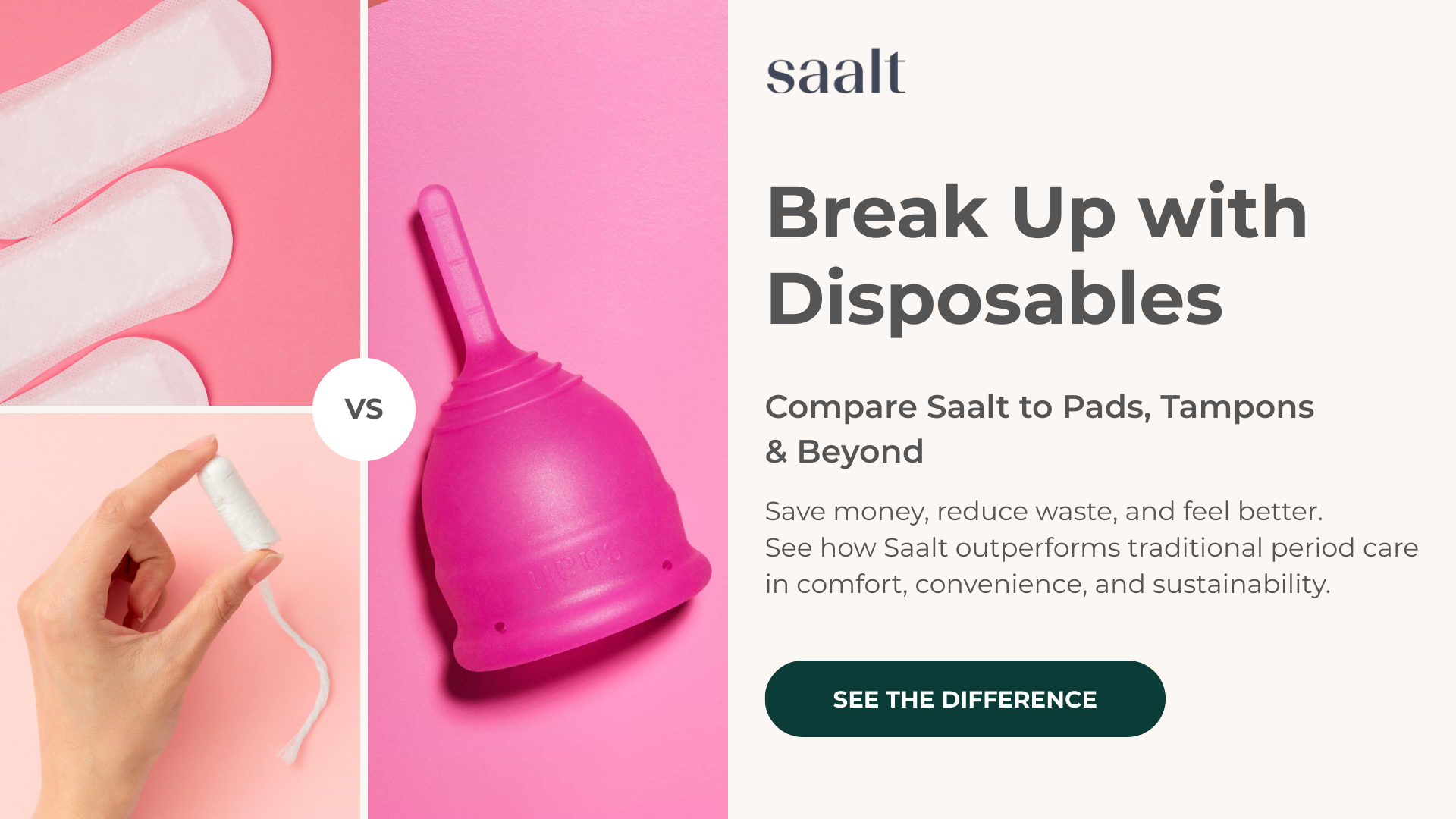
The journey of disposable pads and tampons carries a heavy carbon footprint at every stage. It begins with cotton farming, which is water-intensive and often relies on pesticides and fertilizers that pollute soil and waterways. Manufacturing these products demands significant energy, from bleaching and processing cotton to wrapping it in largely non-recyclable plastics. Most factories are powered by non-renewable energy, further boosting emissions.
Next comes distribution, as products are shipped globally, burning fossil fuels and stacking up even more carbon emissions. After a brief use, pads and tampons are tossed out. Most end up in landfills, where they take centuries to decompose and release methane, a potent greenhouse gas. Others are incinerated, emitting more greenhouse gases and toxins into the air. Both disposal paths underline the environmental cost of these single-use items. (National Library of Medicine)
This cradle-to-grave process means every pad or tampon—used for just a few hours—contributes to long-term pollution. Considering billions are discarded each year, their carbon footprint is anything but small.
The Water & Energy Cost of Single-Use Menstrual Products
Disposable pads and tampons don’t just pile up in landfills—they also demand staggering amounts of water and energy to produce. One main culprit is conventional cotton, a notoriously thirsty crop. For perspective, it takes about 2,700 liters of water to make just one cotton shirt; scale that up to the billions of pads and tampons used worldwide, and the environmental impact becomes clear.
Cotton farming often relies on heavy irrigation, deepening local water shortages. Pesticides and fertilizers used in its cultivation also pollute waterways, harming ecosystems further. Processing cotton—and mixing it with synthetics like rayon—burns through significant amounts of fossil fuel energy, generating emissions and increasing each product’s carbon footprint.
All this for products used mere hours before being discarded. The environmental cost of each tampon or pad may seem minor, but on a global scale, the cumulative impact is massive. (World Health Organization) Yet most of this resource drain remains hidden from shoppers. The fields, factories, water, and energy used to make these products are invisible as you reach for a box on the shelf.
The question remains: can we continue justifying single-use menstrual products when the hidden water and energy costs are so high?
Microplastic Pollution in Our Oceans & Soil
Disposable pads and tampons aren’t just single-use conveniences—they’re significant contributors to microplastic pollution. (Science Direct) Most mainstream period products are made with synthetic materials like polyethylene and polypropylene. When they end up in landfills or waterways, they break down into tiny microplastics, which persist in the environment for hundreds of years. It’s estimated that a single pad can take up to 800 years to decompose, all the while releasing these particles.
Microplastics from these products invade our oceans, where marine animals—fish, shellfish, even plankton—mistake them for food. These plastics work their way up the food chain and can ultimately end up back on our plates. On land, microplastics seep into the soil, affecting plant growth and even groundwater quality. Studies show they can disrupt ecosystems and undermine food production from the ground up.
Even some “biodegradable” period products contain plastic-based adhesives or wrappers, so they’re not always as eco-friendly as marketing claims. Next time you shop for period products, consider the environmental cost—not just for your convenience, but for the health of our soil, water, and the planet.
Chemical Processing & PFAS: An Environmental Red Flag
Let’s peel back another layer of this issue: the chemical processing behind disposable pads and tampons. While cotton is marketed as “natural,” its environmental impact looms large. Cotton farming is water-intensive (up to 20,000 liters per kilogram) and relies on pesticides that pollute soil and waterways. Processing the cotton into soft, absorbent material involves bleaching and harsh chemicals, often leaving behind toxic byproducts harmful to ecosystems.
The concerns don’t stop there. PFAS—nicknamed “forever chemicals”—are sometimes used in menstrual products for leak prevention. These substances resist breaking down, persisting in landfills, water sources, wildlife, and human bodies, with links to health issues like hormone disruption and cancer. Emerging studies even detect trace amounts of PFAS in some pads and tampons, raising major red flags for both environmental and personal health.
So, is cotton bad for the environment when processed this way? In many cases, yes—the chemical footprint of disposables can be significant. As a consumer, look for brands with transparent labeling, and seek out alternative materials or reusable options. The products you choose today make a difference to the world tomorrow.
Wrapping Up: A Sustainable Path Forward
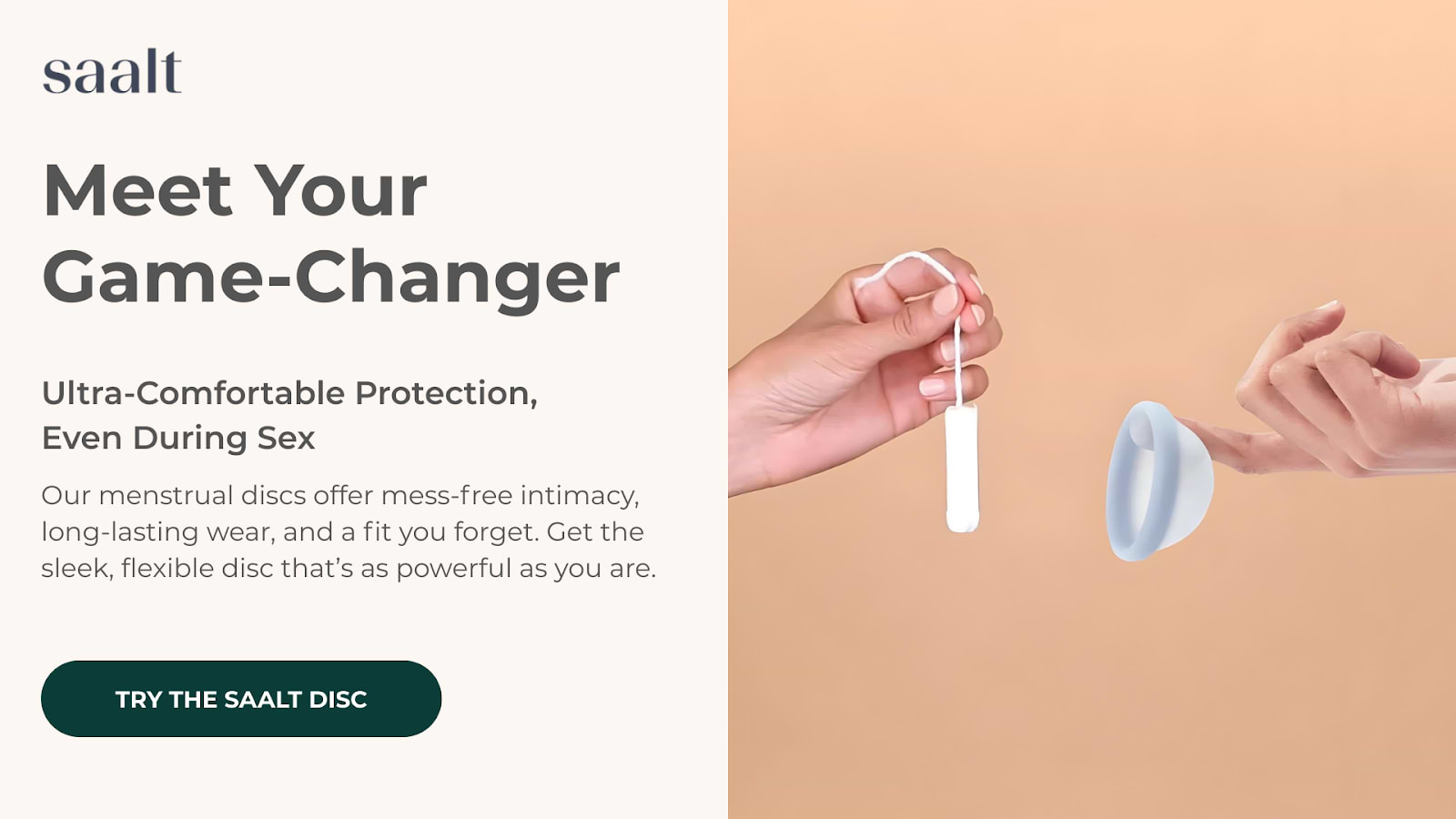
We’ve dug deep into the environmental mess disposable pads and tampons leave behind—cotton’s water-guzzling ways, the plastic waste piling up in landfills, and the sheer scale of it all. It’s a lot, right? But here’s the good news: you’ve got power to push back. At Saalt, we’re all about flipping the script with premium reusable menstrual cups, discs, and period underwear that don’t just save the planet but save you from those frantic bathroom dashes and awkward sweater-around-the-waist moments. The best period products for the environment are Saalt.
Our leakproof panties, made without harmful PFAs, comes in styles and absorbencies for every stage of life—whether you’re a busy mom, navigating postpartum, or staying active as bladder leaks sneak in. As a B-Corp, we’re committed to sustainability and donate 1% of our revenue to period equity programs worldwide. So, when you choose Saalt, you’re not just choosing comfort and reliability; you’re joining a movement for less waste and more equity. Let’s ditch the disposables and make a change—one cycle at a time. Ready to step up? We’ve got your back (and your leaks).
Read Also:
FAQs About Disposable Pads & Tampons
What are disposable pads and tampons made of?
Disposable pads and tampons typically have an absorbent core made from wood pulp or synthetic fibers like rayon. The top layer is often cotton or a plastic-based material, with a plastic backing to prevent leaks and adhesives to keep everything in place. Tampon applicators may be plastic or cardboard. Even “natural” cotton can have environmental downsides due to heavy pesticide use and water consumption in conventional farming.
How long does it take for pads and tampons to decompose?
It can take 500–800 years for standard disposable pads and tampons to break down in a landfill. That’s mainly because of their plastic components, synthetic fibers, and chemical treatments. Many of the products you’ve used are still sitting in landfills, and with the huge global usage rate, the waste adds up quickly.
Are disposable pads and tampons biodegradable?
Most disposable pads and tampons are not biodegradable. Even products marketed as “organic” or “natural” usually contain non-compostable parts like plastic liners or adhesives. True biodegradability requires specific composting conditions most people don’t have access to, so most options still contribute to landfill waste. Reusable alternatives, like period panties, are a more sustainable choice for reducing waste and environmental impact.
What chemicals are used in manufacturing disposable menstrual products?
Disposable pads and tampons may contain chemicals like dioxins (from bleaching), fragrances, and potentially problematic adhesives. Some studies have raised environmental and health concerns about these additives, though product transparency is often lacking. Manufacturing uses significant water and energy, plus pesticides when non-organic cotton is used. Switching to reusables, such as menstrual cups or leakproof period pants, helps avoid these chemicals and supports sustainability. Learn how to wash period underwear.
Sources:
-
While single-use menstrual products provide agency to women and girls, they also contribute to harmful plastic pollution. https://pmc.ncbi.nlm.nih.gov/articles/PMC11865846/
-
In Europe and the United States of America, over 80% of menstrual products end up in landfills, where disposable pads may take 500–800 years to break down. https://cdn.who.int/media/docs/default-source/bulletin/online-first/blt.24.291421.pdf
-
Conventional pads are estimated to be 90% plastic, which along with their wrappers, wings and adhesives each add some 2 g of non-biodegradable plastic—or the equivalent of four plastic bags—to the environment with each use and take an estimated 500 to 800 years to decompose. https://www.sciencedirect.com/science/article/pii/S2666789422000277
![hanky panky+ [powered by Saalt] Boyshort](https://scdn.speedsize.com/580f55fb-12e3-4e00-8f82-e44e2431f676/https://saalt.com/cdn/shop/files/SW-HP-PDP-Portrait-Boyshort-Black-Side_medium.jpg?v=1762200241)


