


Key Takeaways:
-
Breaking the Menstrual Stigma: Breaking the silence around menstruation empowers individuals with knowledge, confidence, and sustainable period care options for all stages of life.
-
Challenging Period Myths: Dispelling myths and taboos about periods fosters healthier conversations, leading to improved well-being and period equity in our communities.
-
Honest Period Conversations for All: Open dialogues about menstruation challenge outdated beliefs and support everyone’s journey from first periods through menopause and beyond.
For generations, talking openly about periods has been pushed to the sidelines—whispers in hallways, coded messages between friends, and a culture of “just deal with it.” But periods are a normal, essential part of life for millions of people. Still, outdated beliefs and silent stigma have fueled countless misconceptions about menstruation that persist today.
At Saalt, we believe it’s time to trade in the secrecy and shame for transparency and truth. You deserve information and products that empower you—not fear or embarrassment. By breaking down the misconceptions about menstruation, we can help everyone approach periods (and leaks) with confidence, compassion, and knowledge.
Here’s why it matters: talking openly about periods isn’t just good for our comfort—it’s essential for our well-being, our communities, and the planet. Because when we challenge old taboos and focus on education and innovation—like Saalt’s sustainable, leakproof underwear—we move toward a world where period equity is the norm, not the exception.
Ready to set the record straight? Let’s debunk the myths, spotlight the truth, and take actionable steps for a healthier, more confident, and more sustainable period experience—for all stages of life.
Busting the Most Persistent Period Myths
Periods have been shrouded in secrecy and falsehoods for generations, but it’s time to break the cycle. Let’s shine a light on the biggest misconceptions about menstruation that still linger today.
Myth #1: Periods Are Dirty or Impure This outdated idea still exists in many cultures, influencing everything from taboos in the kitchen to who can participate in public life. In reality, menstruation is a natural, healthy process—nothing to be ashamed of. It’s a sign that the body is working just as it should.
Myth #2: You Can’t Exercise or Swim During Your Period Good news—there’s no reason to skip your favorite workout or shy away from the pool. Physical activity can actually help alleviate cramps and improve mood. The key: use period products you trust and feel comfortable in, and don’t let old myths hold you back.
Myth #3: Irregular Cycles Are Always a Problem Cycles range from person to person, and even month to month. While a sudden, dramatic change or extremely irregular cycles should be discussed with a healthcare professional, having a cycle that’s not exactly 28 days is perfectly normal for many.
Myth #4: Menstruation Only Impacts Young Women Menstruation (and other leaks) are not just “teen” issues. From first periods to postpartum flow, perimenopause to managing leaks in later life, these experiences are part of a broader journey that evolves as our bodies and needs change.
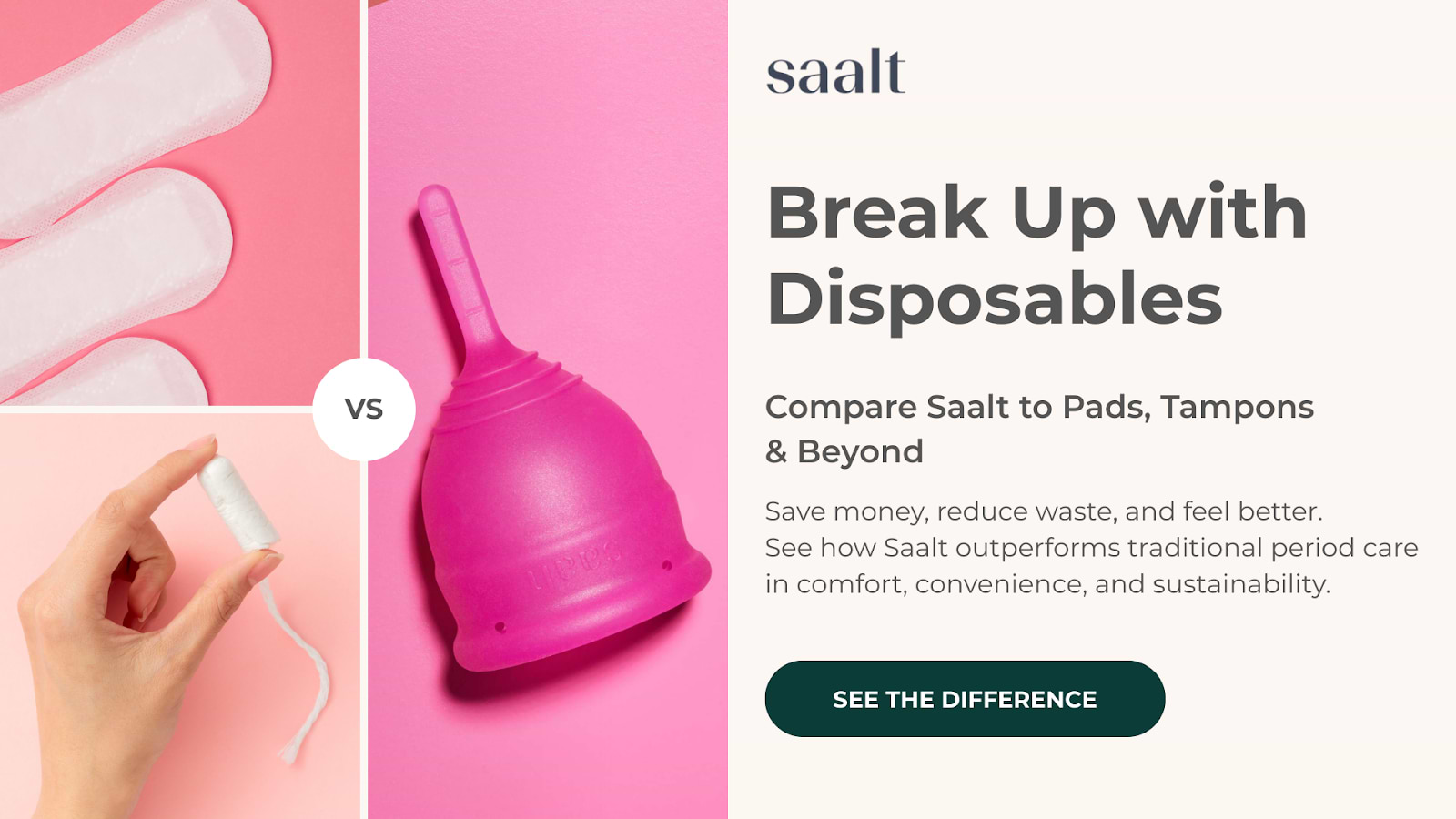
Myth #5: Only Disposable Products Are Hygienic There’s a common misconception that reusable products are less clean. With proper care, reusable period products are just as hygienic—and gentler on the environment. The added benefit is less waste and more sustainable choices for everyone.
Breaking free from these myths isn’t just about correcting bad information—it’s about empowering everyone to live fully and confidently at every phase of life. Dispelling misconceptions about menstruation helps foster healthier conversations for the next generation.
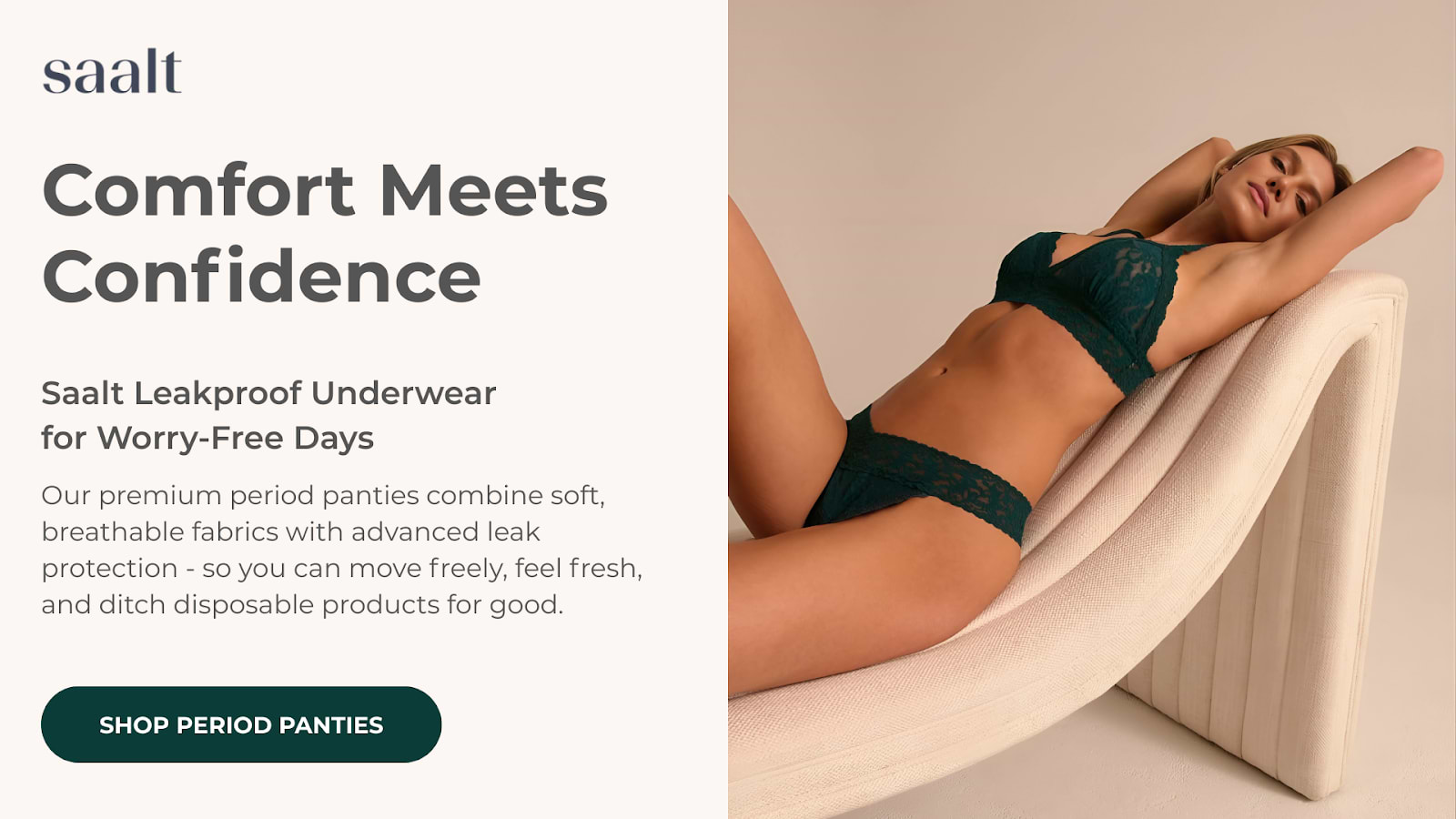
Take Charge of Your Menstrual Health with SaaltReady to flip the script on the old misconceptions about menstruation? At Saalt, we believe everyone deserves comfort, confidence, and the freedom to live life on their own terms—no matter what time of the month it is. Your period (or any of life's leaks) should never hold you back. Here’s why Saalt Leakproof Period Underwear are the choice for women, moms, teens, and anyone who’s tired of outdated taboos:
Ready to experience a new level of confidence and comfort? Discover leakproof solutions that truly work—explore Saalt’s collection today and join the movement toward honest, empowered period care. |
Why Period Talk Matters at Every Age
Let’s face it: even in 2026, conversations about periods can feel awkward—no matter how old you are. But the benefits of talking openly about periods reach far beyond just ending the embarrassment. It’s about owning our bodies, arming ourselves with accurate information, and knocking down the stubborn misconceptions about menstruation that have stuck around for generations.
For teens, talking about periods helps normalize the whole experience. It replaces whispered rumors with real, science-backed facts, making those first cycles a lot less scary. Open dialogue paves the way for body positivity and easier access to the right products—plus, it can help spot issues like irregular cycles or severe cramps early, so they don’t get ignored or dismissed.
For women in postpartum and beyond, honest period talk means better health outcomes and less isolation. Not only can postpartum bleeding and bladder leaks often get sidelined in medical discussions, but misconceptions about menstruation can make new moms feel alone in what they’re experiencing. Sharing stories and information—whether about regaining regular cycles, navigating leaks, or handling hormonal shifts—empowers women to seek the support and solutions they need without judgment.
And let's not forget older women. Menstruation and period care don’t suddenly stop being important after menopause or as aging causes other leaks, like from the bladder. Debunking outdated beliefs makes it easier to talk about changes, find comfortable solutions, and stay active and confident every day.
Bottom line: every age brings its own period myths, challenges, and needs. By keeping the conversation open, we lift the veil on old taboos and pass on knowledge that’s genuinely life-changing.
Navigating First Period Conversations With Teens
Talking about first periods can feel awkward, but it doesn’t have to be a minefield. Clearing up misconceptions about menstruation is one of the best gifts you can give your teen—it sets them up for body confidence and self-care from the start.
Begin by treating these conversations as just another part of growing up, not a Big Event. When you’re calm, curious, and matter-of-fact, your teen is more likely to match your tone. Listen to their questions and feelings before you start listing facts. Sometimes, just being heard is the reassurance they need.
Don’t shy away from the real talk, either. Teens are navigating a world where social media myths and period horror stories run wild. Be ready to bust some of those misconceptions about menstruation: for instance, periods don’t mean you can’t swim, play sports, or wear light-colored clothes (thank you, modern period products!). And no, having your period doesn’t mean you’re “dirty” or “less capable.”
Make sure to touch on the practical side, too. Show them different period products, talk about leaks (yes, they happen), how to track cycles, and what to do if school or sports don’t align perfectly with their cycle. Empower your teen by teaching them words—like “menstruation” and “cycle”—that make talking about periods less uncomfortable.
Finally, remember that one conversation isn’t enough. Keep the door open, check in regularly, and remind them they can always come to you, no matter what. The more we talk openly, the less shame there is—and everyone benefits.
Breaking Cultural Taboos Around Menstruation Worldwide
Around the world, misconceptions about menstruation remain deeply rooted in cultural traditions, language, and even public policy—despite growing calls for period positivity and open discussion. In many places, periods are still viewed as something shameful, secret, or even “unclean.” These beliefs don’t just exist at the margins; they affect how women talk about their bodies, access resources, and manage their health from adolescence to late adulthood.
In some cultures, menstruating individuals are discouraged from participating in daily activities—whether it’s cooking for their families, attending school, or even entering certain public spaces. Even in countries with advanced health infrastructure, misinformation and embarrassment can impact how teens, new moms, and older women manage their periods and other leaks.
Breaking these taboos starts with honest conversations—at the dinner table, in schools, online, and in the workplace. Sharing knowledge about how periods and bladder leaks are a regular part of life can challenge stereotypes and create more inclusive environments. Education is key: the more people understand about menstrual health, the less power myths and stigma hold.
Many movements around the globe are pushing for period equity and better education, but the real change often begins with small, everyday actions. Whether it’s answering a curious child’s questions without flinching, supporting a friend through postpartum recovery, or simply rejecting euphemisms in favor of clear language, each step chips away at taboos. That’s how together, we transform silence into strength and knowledge—for ourselves and the next generation.

Changing the Conversation—Together
For too long, periods have been shrouded in mystery and silence, creating space for misconceptions about menstruation to thrive. But the tides are turning. By talking openly and honestly, we chip away at old taboos and empower ourselves—and each other—with knowledge and confidence. Whether you're a teen navigating your first period, a mom sharing wisdom with her kids, or experiencing changes later in life, your story matters. Every conversation brings us closer to a world where no one feels shame for a natural part of life.
At Saalt, we believe period care should be easy, sustainable, and stigma-free. Our leakproof panties are made for all of life’s leaks—not just periods—supporting people through every stage, from postpartum recovery to active, carefree years. And with inclusivity, sustainability, and period equity at our core, we’re proud to stand with you as we rewrite the narrative.
Let’s keep talking, asking questions, and challenging the status quo. Because the truth is: caring for your body should never be a taboo. By supporting each other, sharing information, and choosing products designed with real people in mind, we can change the conversation—one open discussion at a time.
Read also:
-
Why New Seamless Colors Matter: Inclusive Shades for Every Body
-
How to Track Your Period Without Stress (Apps, Calendars, and Clues)
Frequently Asked Questions About Periods and Breaking Menstrual Stigma
What is menstrual stigma?
Menstrual stigma refers to the negative attitudes, feelings, and misconceptions about menstruation that have permeated societies around the world. These aren’t just awkward jokes; they’re deeply rooted cultural beliefs that treat periods as shameful or dirty. The truth? Menstruation is a natural, healthy bodily process.
Why is talking about periods considered taboo in some cultures?
In many cultures, periods have been shrouded in secrecy for generations. Whether it’s historical misunderstandings about biology, religious taboos, or just plain discomfort, the end result is the same—people are discouraged from talking about menstruation openly. This silence allows myths and misconceptions about menstruation to stick around.
How does period stigma affect girls and women?
Period stigma can impact girls and women in all kinds of ways. It can lead to embarrassment, isolation, and even missed opportunities, like skipping school, exercise, or social activities. The stigma can also make it harder for people to get the products and support they need, whether they’re navigating their first period, postpartum changes, or bladder leaks later in life.
What are the consequences of not discussing menstruation openly?
When we don’t talk about menstruation, misinformation thrives. People might not learn proper menstrual hygiene, may suffer in silence from health issues, or waste time worrying about normal body functions. On a larger scale, this silence contributes to period poverty and keeps period products out of schools, workplaces, and homes where they’re needed most.
How can education help break period taboos?
Education is the antidote to stigma. Teaching accurate, age-appropriate information about periods helps bust misconceptions about menstruation and empowers everyone—no matter their phase of life. Open conversations at home, school, and in the workplace can normalize menstruation, ensuring everyone has the knowledge, products, and dignity to manage their periods with confidence and comfort. With companies like Saalt leading the charge, we’re moving from whispered worries to honest, stigma-free conversations.


