


Key Takeaways:
- Four Phases, In Order: Your menstrual cycle moves through four phases: menstrual, follicular, ovulation, and luteal, each with its own hormone shifts.
- Mood Shifts Are Common, Not Universal: Changes in mood and energy are common across the cycle, but how strongly you feel them varies from person to person.
- Body Literacy Is Empowering: Noticing your own pattern month to month can help you plan ahead and get a feel for what’s normal for you.
There are four phases of the menstrual cycle: menstrual, follicular, ovulation, and luteal, and the hormone changes in each one can shape your mood and energy. Knowing what’s coming also makes it easier to pick period care that keeps up with you.
At Saalt, we believe that understanding your cycle is a form of self-advocacy. When you know what’s happening in your body, you can care for it with more intention by choosing period products that align with your lifestyle, your values, and your rhythm.
Below, we get into what’s actually happening in each phase, which one tends to hit your mood hardest, and when a cycle change is worth a call to your doctor.
The 4 Phases of the Menstrual Cycle at a Glance: Timeline and Biological Markers
A normal adult menstrual cycle ranges from 21 to 35 days (up to 45 days in adolescents), with an average duration of 28 days, measured from the first day of full menstrual bleeding to the first day of the next period.
Here’s a quick look at how a typical cycle breaks down, phase by phase.
The 4 Phases of the Menstrual Cycle at a Glance
|
Cycle Phase |
Cycle Timing (28-Day Baseline) |
Primary Hormones Involved |
Ovarian and Uterine Changes |
Core Somatic and Emotional Signs |
|---|---|---|---|---|
|
Menstrual Phase |
Days 1 to 5 (normal range: 3–7 days) |
Low Estrogen and Progesterone; initial rise in FSH |
Endometrium sheds down to its basal layer; early recruitment of new follicles |
Lower pelvic cramps, backaches, low energy, fatigue; average blood loss of 30–45 mL |
|
Follicular |
Days 1 to 14 (overlaps with menses) |
FSH stimulates follicular growth; Estrogen rises steadily |
Endometrium thickens (proliferative phase); single dominant Graafian follicle matures |
Rising physical energy, mental clarity, optimism, clearing skin |
|
Ovulatory Phase |
Days 14 to 17 (egg release window: 16–36 hours) |
Surge in Luteinizing Hormone (LH); peak Estrogen; slight surge in Testosterone |
Dominant follicle ruptures, expelling mature ovum into the fallopian tube |
Clear, stretchy spinnbarkeit cervical mucus; mittelschmerz pain; elevated libido |
|
Luteal Phase |
Days 15 to 28 (typically 12–14 days) |
High Progesterone; secondary Estrogen rise; both drop sharply if unfertilized |
Corpus luteum maintains a secretory endometrium; degenerates without pregnancy |
Breast tenderness, fluid retention, bloating, food cravings, mood swings, PMS/PMDD symptoms |
As for how hormones change across the phases: estrogen rises through the follicular phase and peaks just before ovulation, progesterone rises in the luteal phase, and both drop before your next period.
Keep in mind that a 28-day cycle is an average, not a rule. Here’s what each phase looks like up close.

Phase 1 – Menstrual Phase (Days 1–5): Endometrial Shedding and Physical Reset
So, what is the menstrual phase? Simply put, it’s your period. The menstrual cycle begins on the first day of your period, so this is day one of your cycle. For most people, this phase lasts about five days on average.
When fertilization does not occur in the preceding cycle, circulating estrogen and progesterone decline rapidly, prompting the uterus to shed its nutrient-rich inner lining, known as the endometrium.
On a hormonal level, estrogen and progesterone levels are at their lowest, and the body enters a natural low-energy state.
Meanwhile, your pituitary gland releases follicle-stimulating hormone (FSH), which helps prepare your ovaries for the next phase of the menstrual cycle.
Mood And Mindset: How You Might Feel
It’s common to feel more tired, sensitive, or even raw during this time. Your body is working hard, and your mood may follow its lead.
A few gentle ways to go easy on yourself:
- Make Comfort Your Priority:
According to the CDC’s Menstrual Hygiene guidelines, slipping into lightweight, breathable clothing can help you stay comfortable during your period. For all-day comfort, try period underwear like Saalt’s Leakproof Comfort Brief. If internal options are your thing, give menstrual cups or period discs a shot.
- Hydration And Nourishment:
Hydrate with warm herbal teas or water and eat foods rich in iron, like leafy greens and lentils. Ample nutrition during this phase may help you feel less run-down.
- Rest Without Guilt:
If you can, create space in your schedule for extra rest. Curl up with a warm drink, make yourself a nourishing meal, or sleep in a little later than usual.
Phase 2 – Follicular Phase (Days 1–14): Fresh Starts and Rising Estrogen
Biologically, the follicular phase begins concurrently with Day 1 of your period and continues until ovulation occurs, typically lasting 10 to 14 days in an average cycle.
This is when the follicles in your ovaries grow, your uterine lining thickens, and one dominant follicle gets ready to release an egg at ovulation.
As estrogen climbs, you may feel this hormonal rise as a mental and emotional lift.
Fueling The Energy Shift
You might notice workouts feel more doable during this phase. Experts at NewYork-Presbyterian note that if you feel up to it, this can be a good time to dial up the intensity with running, a spin class, or strength training to take advantage of your follicular phase mood.
Your body may be up for more exertion, though how much energy you have can vary.
Harnessing Momentum
For many people, the follicular phase brings a window of motivation and creativity, which makes it a nice time to start something new. Your mood may lift, and the emotional weight of the previous week could feel lighter.
Let yourself lean into the rhythm of this phase. That boost of energy you’re feeling? It’s your body’s way of cheering you on.
Phase 3 – Ovulatory Phase (Days 14–17): Peak Power And Social Spark
Welcome to your inner glow-up. The ovulatory phase, which typically happens around days 14 to 17 of a 28-day menstrual cycle (it varies from person to person), is short but mighty.
A surge in luteinizing hormone (LH) triggers the release of a mature egg from your ovary.
If the egg isn’t fertilized within about 24 hours, it breaks down and is absorbed by the body, and your cycle keeps moving forward.
You might notice physical cues, like clear, stretchy discharge, a slight rise in body temperature, or light cramping on one side.
Your Mood: Energized, Social, And Magnetic
If you're wondering about menstrual cycle phases and moods, this phase often brings a special lift. Think collaborative, flirty, and in sync with yourself and others.
You may want to:
- Fuel With Purpose: Folate-rich foods like eggs, lentils, and leafy greens are often recommended for anyone trying to conceive.
- Ease Light Bloating: A short walk or a warm compress may help with light bloating or one-sided cramping.
- Use The Social Energy: Plan social time, big conversations, or group projects while your energy is high.
- Track Your Cycle: A period app or journal can help you spot when your fertile window tends to fall, though it isn’t a form of birth control.
This is your natural high point, often bringing a sense of mental clarity, elevated mood, and for some people, increased libido.
Phase 4 – Luteal Phase (Days 15–28): Slow Down, Tune In
As your cycle nears its close, the luteal phase is your body’s quiet cooldown. This phase begins after ovulation and lasts until your next period, typically covering days 15 to 28 of a typical cycle.
The corpus luteum (what’s left of the follicle that released the egg) makes progesterone to support the uterine lining, and if there’s no pregnancy, levels drop and your next period starts.
Along the way, you may notice PMS symptoms like bloating, breast tenderness, fatigue, or irritability, though how strongly people feel them varies.
Your Mood: Tender And Introspective
The luteal phase is often where emotional sensitivity peaks. You might find yourself more reactive or in need of solitude.
Consider clearing up your social calendar and focusing on low-pressure activities that restore your calm. Sleep may feel more elusive due to fluctuating hormone levels, so focus on soothing nighttime rituals like restorative yoga or taking a warm bath.
Food And Lifestyle Choices
During this time, you may crave comfort foods. Instead of resisting or limiting your diet, try responding with nutrient-dense choices that may help steady your blood sugar and support digestion. Think brightly colored fruits and veggies, fiber-rich grains, healthy fats, and omega-3s.
And yes, dark chocolate can go a long way to satisfy your sweet tooth while providing antioxidants!
If bloating or sleep is giving you trouble, cutting back on salty snacks, caffeine, and alcohol may help.
Lifestyle, Exercise, and Nutritional Protocol Tips for Every Phase
Your energy, mood, and physical comfort may shift throughout your menstrual cycle, and your daily habits can help you respond to those changes. You don't need a strict routine for every phase.
Instead, use the suggestions below as a flexible guide to movement, nutrition, sleep, and recovery, adjusting them to what feels right for your body:
|
Cycle Phase |
Recommended Workout Focus |
Nutritional and Metabolic Support |
Sleep and Recovery Strategies |
|---|---|---|---|
|
Menstrual Phase |
Restorative, low-impact exercise: light walking, gentle yoga, and stretching |
Iron-rich foods (lentils, spinach, lean meats) combined with vitamin C; anti-inflammatory omega-3s |
Prioritize 8 to 9 hours of sleep; apply warm compresses to ease uterine cramping |
|
Follicular Phase |
Progressive training: strength training, running, spin classes, and higher-intensity workouts |
Lean proteins (poultry, legumes), complex carbs (quinoa), and cruciferous vegetables for estrogen metabolism |
Take advantage of naturally high energy levels while maintaining consistent sleep routines |
|
Ovulatory Phase |
Peak performance workouts: high-intensity interval training (HIIT), sprint work, or heavy lifting |
Antioxidant-rich fruits, leafy greens, zinc-dense seeds, and adequate hydration to support cervical fluid |
Keep bedroom temperatures cool (65°F–68°F) to counter the slight rise in basal body temperature |
|
Luteal Phase |
Moderate to light exercise: steady-state cardio, Pilates, flow yoga, and walking |
Complex carbohydrates (sweet potatoes, oats) to sustain serotonin; dietary magnesium and ginger for bloating |
Limit caffeine and screen exposure in the evening to counteract progesterone-related sleep disruptions |
When Should You See a Doctor About Your Menstrual Cycle?
There’s a wide range of what’s normal. According to the National Institutes of Health, most adult menstrual cycles last 21 to 35 days, and the average period lasts about five days.
Teens often have longer or less predictable cycles for the first few years after their first period.
Mayo Clinic suggests checking in with a healthcare provider if you notice:
- Periods that stop for more than 90 days when you’re not pregnant
- Very heavy menstrual bleeding, like soaking through a pad or tampon every hour or two
- Bleeding that lasts more than eight days
- Severe pain during your period
The same goes for mood symptoms that get in the way of work, relationships, or daily life. A provider can help sort out what’s going on.
Support Every Phase With Saalt Period Care
Understanding the 4 phases of the menstrual cycle is a foundation for self-awareness, self-compassion, and better support.
When you recognize how you feel at different stages of the menstrual cycle, you open the door to making choices that meet your body with empathy instead of resistance.
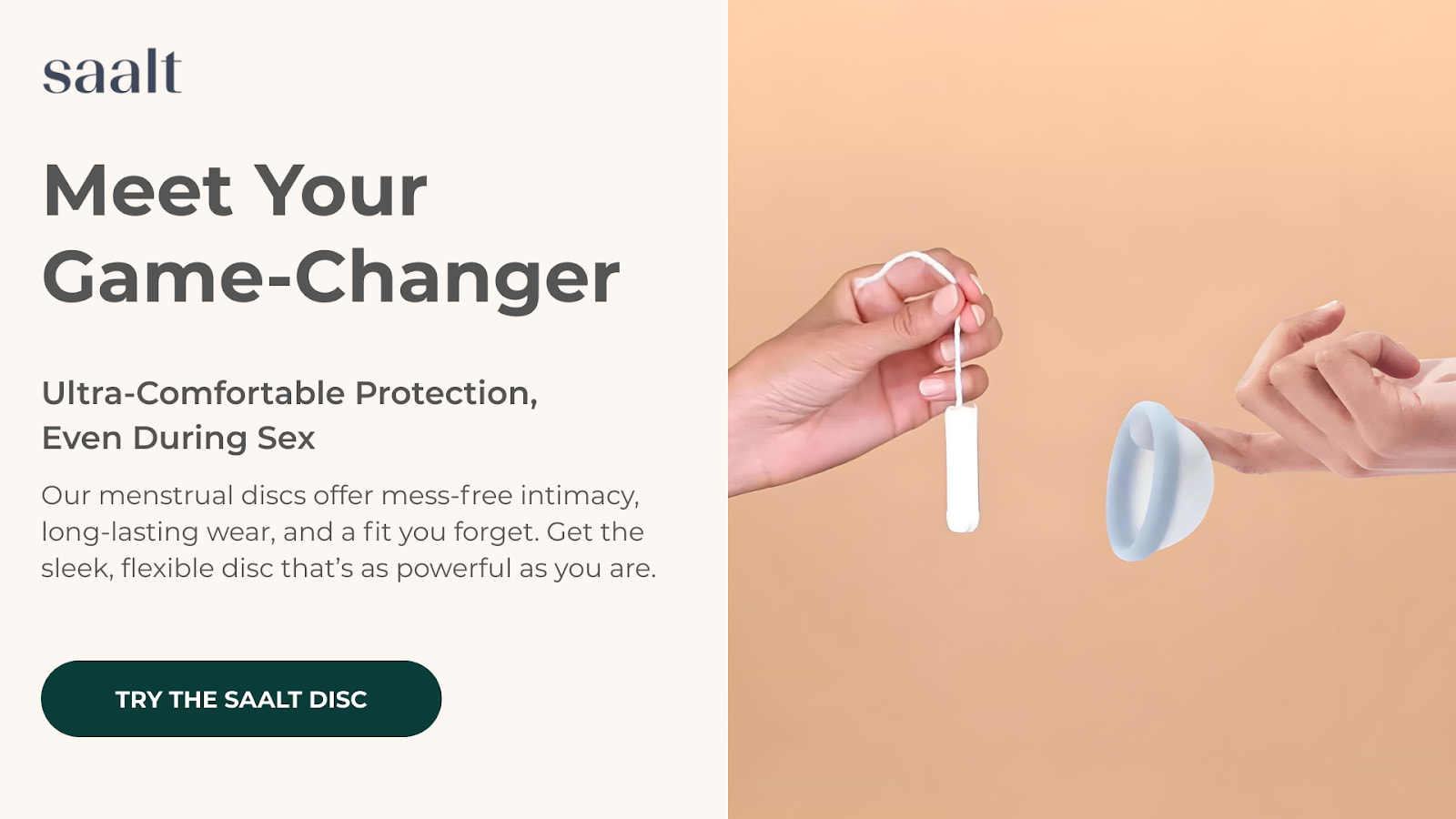
At Saalt, we’re here for every phase, offering thoughtfully designed period care that moves with you. Whether that’s our reusable menstrual cups and discs or ultra-comfy leakproof period underwear, our products are made to support your comfort, confidence, and sustainability goals.
You don’t have to manage these shifts alone. With more education, less stigma, and increased accessibility to better period care options, we can all move through each menstrual cycle with a little more grace.
FAQs About the Phases of the Menstrual Cycle
What are the 4 phases of the menstrual cycle?
The four phases are:
- Menstrual phase: Your period, where you shed your uterine lining.
- Follicular phase: Hormones begin rising; energy and confidence may increase.
- Ovulatory phase: A mature egg is released.
- Luteal phase: The body prepares for pregnancy, or gears up for menstruation again.
Do all people experience mood changes at the same phases of the menstrual cycle?
Nope! No two cycles (or two bodies) are alike. That’s part of what makes cycle tracking so helpful. While hormonal shifts follow a general pattern, your emotional and physical responses are unique. Some people feel extra sensitive before their period, while others notice shifts earlier in the cycle.
Can tracking your cycle help predict mood changes?
It can. Tracking offers valuable insight into your physical and emotional patterns. Whether you prefer a digital tracker or pen-and-paper journaling, cycle awareness can help you feel more in sync with your needs. Just know that tracking your cycle is for spotting patterns, not for preventing pregnancy.
Which phase of the menstrual cycle affects mood the most?
For many people, mood changes are most noticeable in the days before a period, during the late luteal phase, when estrogen and progesterone drop. That said, it varies from person to person. If mood symptoms feel severe or get in the way of daily life, it’s worth checking in with a healthcare provider.
How do you tell what phase of your cycle you are in?
Start by counting from the first day of your period, which is day one. From there, body signs can offer clues: clear, stretchy discharge often shows up around ovulation, and energy tends to dip in the days before your next period. These signs aren’t exact, so using an app or journal to track your menstrual cycle can help you see your own pattern over a few months.
Medical Disclaimer: The information provided in this article is for educational and informational purposes only and is not intended as medical advice, diagnosis, or treatment. Always seek the advice of a physician, gynecologist, or other qualified healthcare provider with any questions you may have regarding a medical condition, vaginal health, or the compatibility of reusable menstrual products with your body. Never disregard professional medical advice or delay seeking it because of something you have read on this website. If you think you may have a medical emergency, immediately contact a doctor or call your local emergency services.
Read also:


