


Key Takeaways:
- Clot Explained Simply: Small clots (smaller than a quarter) are usually considered normal, especially on heavy flow days, but consistent large clots or those accompanied by severe pain may indicate underlying conditions.
- What Causes Large Clots: Hormonal imbalances, particularly involving estrogen and progesterone, can lead to increased clotting by affecting the thickness of the uterine lining, and conditions like fibroids, polyps, endometriosis, and adenomyosis can play a role too.
- When to Check In: Health sources flag clots larger than a quarter that keep coming, soaking a pad or tampon every hour for several hours, or severe pain as signs worth raising with a provider.
If you’re wondering, “Are blood clots normal during period days?” the short answer is usually yes.
Small clots (smaller than a quarter) are common, especially on your heaviest days, while large or frequent clots are worth checking with a provider. Noticing large blood clots during your period can be surprising, and the right period products can make heavy days a lot less stressful.
Below, we get into what size is normal, what causes blood clots during period days (and why some get big), and the signs that are worth a chat with your doctor.

What Are Menstrual Blood Clots and Why Do They Form?
Menstrual blood clots are gel-like clumps of blood and tissue that appear during your period, ranging from tiny specks to larger, noticeable masses.
Your body normally releases natural anticoagulants, substances that keep menstrual blood flowing, as the uterine lining sheds. During a heavy flow, blood can rush out faster than these anticoagulants can work, leading to clotting before the blood leaves your body.
Many people also notice clots may show up more in the morning, after blood has had time to pool while lying down.
“Clots are typically dark red or even blackish and may look alarming, but they are a normal part of many periods, especially on your heaviest days.”(Dr. Seckin Endometriosis Specialists).
Not everyone will experience clots, but they are more common for those with heavier flows, usually appearing during the first couple days of menstruation. Most clots are nothing to worry about.
Size, color, and texture tell you a lot, so let’s start there.
Take Control of Your Period with SaaltHey there, let’s talk real for a second. Dealing with large period clots or unexpected leaks can feel like a boss battle you didn’t sign up for. But here’s the good news: you don’t have to face it alone, and you definitely don’t need to settle for quick fixes that fail. At Saalt, we’ve got your back with premium leakproof underwear, menstrual cups, and period discs designed to handle all of life’s leaks—whether it’s heavy period flow, postpartum surprises, or bladder leaks as you stay active through the years. We’re here to end those panicked sprints to the bathroom and help you reclaim your confidence. Why choose Saalt? Check out what makes us your ultimate ally: · Leakproof Protection: Our underwear comes in various absorbencies, styles, and sizes like the Saalt Teen Period Underwear to Plus Size Period Underwear to match your flow and lifestyle. · Sustainable & Safe: Our leakproof panties are made without PFAs in the finishing process, because your health matters. · For Every Stage: From teen years to postpartum and beyond, we’ve got solutions for all women include postpartum underwear and bladder leak underwear. · Period Equity: We donate 1% of revenue to impact programs, fighting for period equity worldwide. Ready to level up? Visit Saalt today and find the perfect leakproof gear to keep you moving, no matter what. Let’s make leaks a thing of the past—together. |
Are Blood Clots Normal During a Period? Size, Color, and Texture
Most of the time, yes. Clots smaller than a quarter are usually considered normal, especially on heavy days, and size is the quickest way to tell normal and abnormal clotting apart.
Here’s a quick size check:
|
Clot size |
What it usually means |
|---|---|
|
Smaller than a quarter (grape-size or smaller) |
Usually considered normal, especially on heavy flow days |
|
About a quarter (roughly 1 inch), now and then |
Often still typical, but worth noting if it becomes a regular thing |
|
Quarter-size or larger, regularly |
Worth checking with a provider; the CDC lists clots this size as a sign of heavy menstrual bleeding |
|
Golf ball-size |
Worth checking with a provider, especially if they keep coming every couple of hours |
Size is only part of the story. Color and texture fill in the rest:
- Color: Dark red or brownish clots are typically just older blood. If you ever notice a grayish or unusually pale clot, it’s worth flagging to your healthcare provider.
- Texture: Typical period clots will feel soft and jelly-like or slightly stringy. That’s because they’re primarily made of red blood cells, proteins, and tissue. Jelly-like blood clots like these are a common sight on heavy days.
Medical News Today notes, “While passing smaller clots does not usually mean a problem, sometimes passing larger ones or clots (of any size) too often can be a sign of a health condition.”
What’s less typical? According to Dr. Zanotti with the Cleveland Clinic, “You may have really small clots that might be a dime-size or a quarter-size during your period, and that’s normal for you….. It’s problematic if you’re passing golf ball-sized clots and passing them every couple of hours.”
What Causes Large Blood Clots During a Period?
Large blood clots during period days usually come with heavier flow, and hormone changes or an underlying condition can be behind that heavier flow.
So if you’ve wondered what causes blood clots during period days to get bigger, the most common causes of blood clots fall into two buckets: hormonal or condition-related.
How Hormones Influence Clot Formation
Your menstrual cycle runs on hormones, mainly estrogen and progesterone.
Estrogen thickens the uterine lining in the first half of the cycle, prepping for a potential pregnancy. After ovulation, progesterone helps stabilize this lining. If pregnancy doesn’t occur, both hormones drop, signaling the body to shed the lining during your period.
When these hormones fall out of balance, for example, if estrogen is too high or progesterone too low, the uterine lining can grow thicker than usual. This can lead to heavier bleeding and larger blood clots when it sheds.
Other chemicals, like prostaglandins, can trigger uterine contractions, and when they surge, stronger contractions and faster flow can outpace your body’s natural anticoagulants.
Life stages like postpartum recovery or perimenopause (and thyroid changes at any age) can bring extra hormonal fluctuations, which can lead to heavier periods and more clots.
Natural Ways to Support Healthy Flow and Reduce Clots
Managing large period clots can be frustrating, but there are natural ways to support a healthier menstrual flow. Start with hydration—drinking at least 8-10 glasses of water daily helps keep your blood from getting too thick, making clots less likely. Herbal teas, such as ginger or raspberry leaf, can also be soothing; ginger in particular has anti-inflammatory benefits that may ease cramps and promote smoother periods.
What you eat matters, too. Include iron-rich foods like spinach, lentils, and lean meats in your diet to replenish what you lose during your period and combat fatigue. Enhance iron absorption by pairing these foods with vitamin C sources like oranges or bell peppers. Omega-3s from fatty fish or flaxseeds help reduce inflammation, supporting overall menstrual health.
Gentle exercise such as yoga or walking can improve circulation and reduce blood stagnation, which may help lessen clotting. Even simple poses like child’s pose or reclined butterfly can relax the pelvic area and keep things moving.
Finally, managing stress can really make a difference. High stress disrupts hormone balance and can worsen heavy periods and clotting. Try deep breathing, meditation, or a relaxing hobby—it all helps lower stress and might ease your symptoms.
These tips aren’t magic fixes, but they offer a practical starting point. Tune into what works for your body and track changes in your cycle. If heavy bleeding or large clots persist, remember to consult a healthcare professional. The best advocate for your health is you.
PCOS, Endometriosis, and Other Underlying Conditions
While it’s common to have some clotting, frequent or large clots can sometimes point to underlying conditions. Here are the ones that come up most often:
- PCOS: Can disrupt hormone balance, leading to excessive uterine lining build-up and heavier, clot-filled periods.
- Endometriosis: Tissue similar to the uterine lining grows outside the uterus, and scarring or adhesions can slow your flow, giving blood more time to clot.
- Uterine fibroids: Noncancerous growths in the uterus that can lead to heavy bleeding and significant clots.
- Polyps: Soft growths on the uterine lining that can cause heavier bleeding, clots, and sometimes spotting between periods.
- Adenomyosis: The uterine lining grows into the uterine muscle, which can mean heavier, more painful periods.
- Bleeding disorders and medications: Blood disorders or certain medications might affect the ability of your blood to clot and how heavy bleeding during periods gets.
Heavy Flow vs Large Clots: What Is the Difference?
Let’s get one thing straight: having a heavy period isn’t the same as passing large blood clots, though the two can sometimes overlap. Heavy flow means you’re dealing with a high volume of blood.
The CDC describes heavy menstrual bleeding, sometimes called menorrhagia, as soaking through one or more pads or tampons every hour for several hours in a row. It’s the kind of thing that can make you feel like you’re starring in a horror flick, but it’s also worth mentioning to a provider, even if it’s been your normal for years.
Large clots, on the other hand, are gelatinous, sometimes coin-sized (or bigger) chunks of blood and tissue that can show up during your period.
And, here’s the kicker: heavy flow doesn’t always mean clots, and clots don’t always mean heavy flow. You might pass a few big ones on a lighter day or have a heavy flow with no clots at all.
Paying attention to your body’s patterns can help you figure out what’s normal for you. It can help to track the size and frequency of clots, note how often you’re emptying your menstrual cup or period disc, or changing out your period underwear, and keep an eye on symptoms like intense cramping or fatigue.
Those notes make it easier to spot a change and talk it through with a provider. And if you’re curious about the lifestyle habits people try, we cover those in our guide on how to stop blood clots during your period naturally.
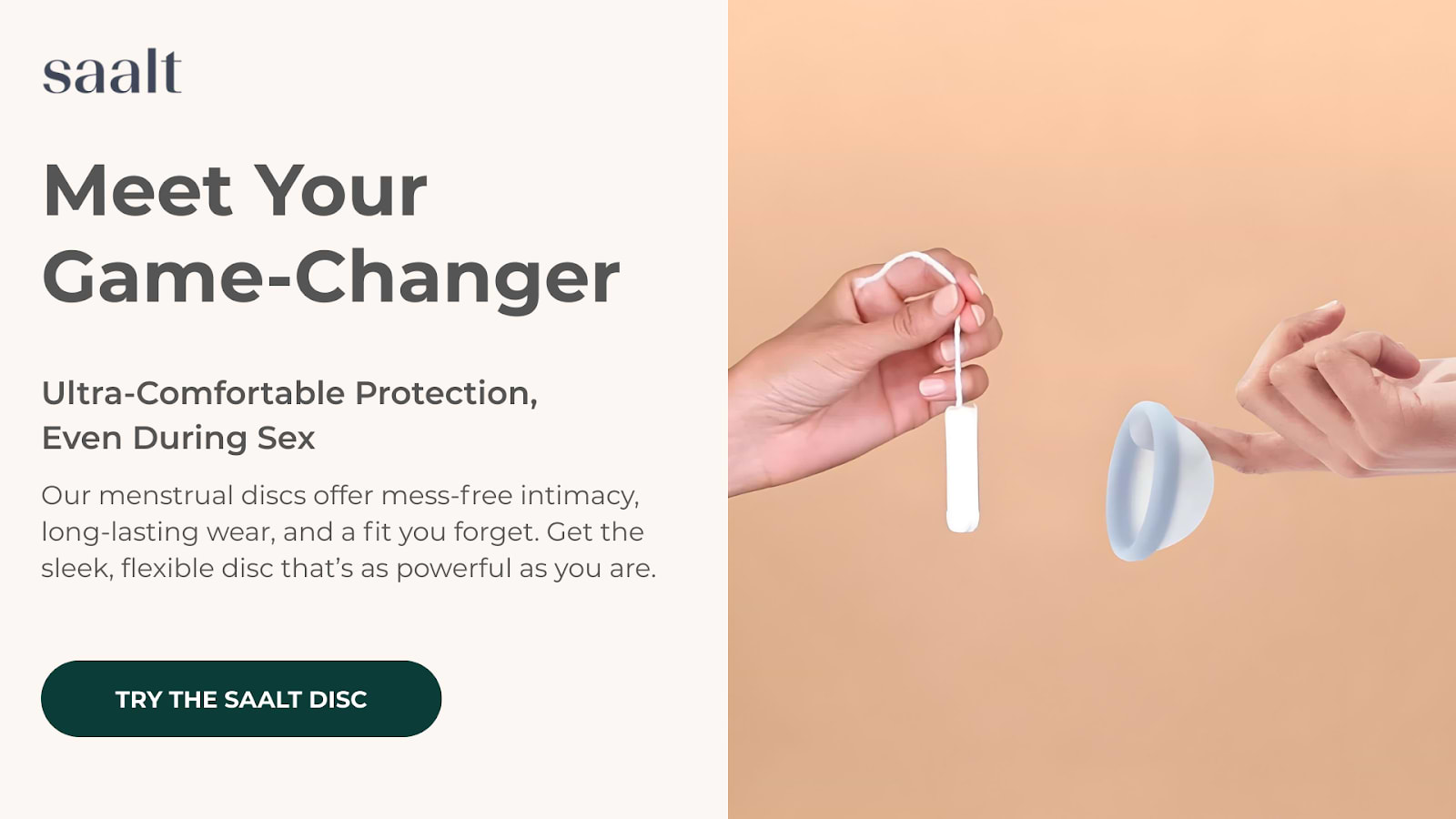
Take Control of Your Period with SaaltLarge blood clots during period days tend to show up when flow is heaviest, so having protection you can count on matters. Our menstrual cups and Saalt Disc collect flow instead of absorbing it, and our leakproof period underwear comes in Heavy and Super absorbencies made for heavy menstrual flow. Pair a cup or disc with period underwear as backup, and heavy periods with clots get a lot less stressful for people with periods at every stage. |
When Should You See a Doctor About Period Clots?
If you’ve ever typed “what do large blood clots during period mean” into a search bar at 2 a.m., you’re in good company. Most of the time, it’s normal to have blood clots on your heaviest days. Small blood clots during periods are common, and passing small blood clots now and then usually isn’t a red flag. Here’s a quick way to sort what’s typical from what’s worth a closer look.
Usually normal:
- Clots smaller than a quarter, especially on heavy flow days
- Dark red or brownish clots that look jelly-like
- Clots that show up more in the morning or on your first couple of heavy days
- A pattern that stays fairly steady from period to period
Worth checking with a doctor:
These are the signs worth bringing up with a provider:
- Clots larger than a quarter happening frequently
- Needing to change your pad or leakproof underwear more than every 1-2 hours
- Severe cramps paired with heavy bleeding and clots
- Symptoms of anemia, like fatigue or shortness of breath
Remember, your period is unique to you. So if something suddenly feels off, it's always OK to ask for expert advice.
According to the CDC, providers may use blood tests (to check for anemia or problems with the way blood clots) or an ultrasound to look for a cause.
Treatment of heavy menstrual bleeding can include birth control pills, which the CDC notes can reduce heavy bleeding, and these treatment options are something some people discuss with their doctor.
Understanding Blood Clots During a Period
So, are blood clots normal during period days? Usually, yes. Large period blood clots can be unsettling, but small clots are usually a normal part of shedding your uterine lining.
If clots are large or frequent, paired with intense pain, or disrupting your life, they’re worth a check-in with a provider, because you deserve answers.
Saalt period cups, menstrual discs, and leakproof period underwear are designed for heavy periods and period clots. Also, our underwear is not treated with PFAS and comes in various absorbencies, styles, and sizes.
Shop Saalt and make the heavy days that come with blood clots during a period a little easier.
FAQs About Blood Clots During a Period
What Causes Large Clots During Menstruation?
Large blood clots during your period often happen when you have a heavier flow than usual. Your body can’t always break down blood fast enough, so clots form. Sometimes, hormonal changes, fibroids, endometriosis, or being postpartum can contribute as well.
Are Large Blood Clots During a Period Normal?
Small clots (grape-sized or smaller) are generally normal, especially on heavier days, but regular large clots are worth checking with a provider. Occasional larger clots may occur after childbirth or during big hormonal shifts like perimenopause. If large clots are a cause of concern, check with your doctor right away.
What Size Period Clot Is Considered Normal?
Clots smaller than a quarter (about one inch) are generally considered normal. If you consistently pass clots larger than a quarter, it may be a sign of hormonal imbalances, fibroids, or other conditions. Golf ball-sized clots, or large clots alongside soaking a pad or tampon every hour, are a sign to check in with a provider.
When Should I Be Concerned About Period Clots?
Contact your doctor if you regularly pass clots quarter-sized or larger, soak through pads or tampons in an hour, or experience severe pain, fatigue, or dizziness. Sudden changes after years of a stable cycle are worth checking out. While Saalt’s leakproof underwear can help with heavy flows, persistent symptoms should always be evaluated by a healthcare provider.
Why Do I Have a Jelly-like Blood Clot on My Period?
Jelly-like blood clots during menstruation are blood and tissue that clumped together before leaving your body. Blood clots typically form when flow is heavy enough to outpace your natural anticoagulants, and these clots can be normal on heavy days. If they’re large, frequent, or come with pain, they’re worth checking with a provider.
Can I Push out Period Blood Clots?
Clots usually pass on their own as your uterus contracts, so there’s generally no need to try to force them out. If clots are painful or hard to pass, that’s worth bringing up with a provider so they can take a closer look.
Medical Disclaimer: The information provided in this article is for educational and informational purposes only and is not intended as medical advice, diagnosis, or treatment. Always seek the advice of a physician, gynecologist, or other qualified healthcare provider with any questions you may have regarding a medical condition, vaginal health, or the compatibility of reusable menstrual products with your body. Never disregard professional medical advice or delay seeking it because of something you have read on this website. If you think you may have a medical emergency, immediately contact a doctor or call your local emergency services.
Sources:
- Dr. Seckin MD. Menstrual Clots. https://drseckin.com/blood-clots-during-a-period/
- Medical News Today. (2024, January 06) Are blood clots normal during a period? https://www.medicalnewstoday.com/articles/322707
- Cleveland Clinic. (2024, March 14) Period Blood Clots: Should You Be Concerned? https://health.clevelandclinic.org/period-blood-clots-are-they-normal
- Centers for Disease Control and Prevention. Heavy Menstrual Bleeding. https://www.cdc.gov/ncbddd/blooddisorders/women/menorrhagia.html
Read Also:


