


Key Takeaways:
-
Safe by Design: Saalt menstrual cups are made from medical-grade silicone, free of harmful chemicals like BPA, and made without PFAS, ensuring they're safe and non-toxic for all users.
-
Safer Period Care: Compared to tampons, Saalt cups have a lower risk of Toxic Shock Syndrome and do not contain irritants like dyes or fragrances, making them a safer choice when used correctly.
-
Great for Beginners: Saalt cups are safe for teens and first-time users when proper hygiene and fit are maintained, offering a sustainable and reliable option for menstrual care.
If you’re considering a menstrual cup and wondering if Saalt cups are safe, you’re definitely not alone. For lots of people, safety with inserted period products is absolutely top priority.
Here’s the lowdown: Saalt menstrual cups are made from 100% medical-grade silicone, without any BPA, latex, or toxins. This means they’re hypoallergenic and ideal for sensitive skin. They’re thoroughly tested to meet rigorous safety and biocompatibility standards, so you can feel confident knowing what’s going in your body.
Saalt cups are designed for up to 12 hours of comfortable, worry-free wear, with no risk of leaks or harsh chemicals. Proper hygiene is key—wash your hands, sanitize your cup between periods, and follow the instructions for safe insertion and removal. Like any menstrual product, you’ll want to follow recommended cleaning and care to reduce risks with overgrowth of bacteria, viruses, or fungus.
Are menstrual cups safe for everyone? Most people have a great experience, but if you have specific health conditions or concerns, consult with your healthcare provider first. (National Library of Medicine)
At Saalt, we also care about more than periods: our products help reduce waste, and we’re committed to donating 1% of revenue to global menstrual equity programs. So yes—Saalt cups are a safe, sustainable, and empowering choice for most people.
How Saalt Menstrual Cups Are Made
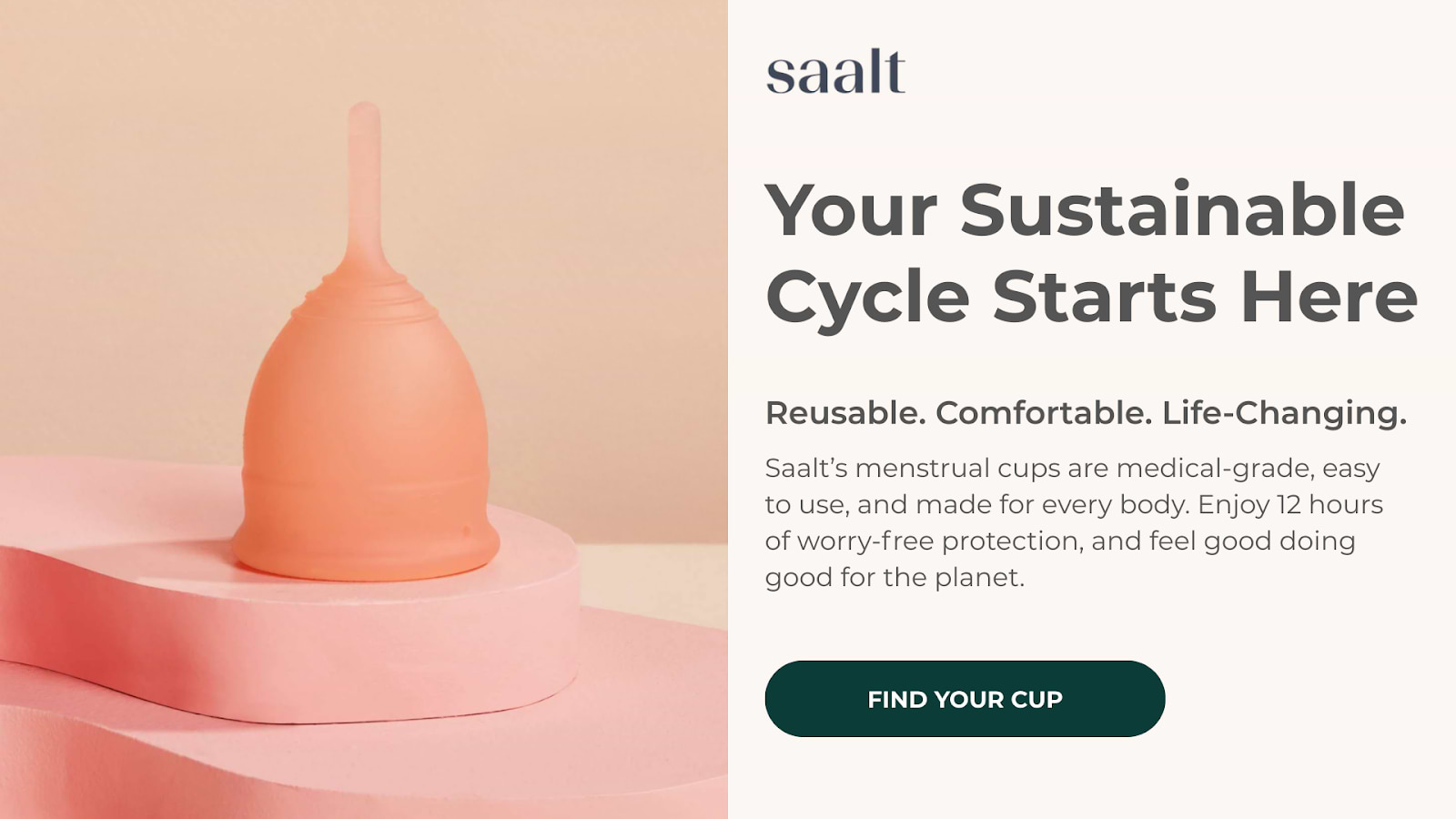
Let’s pull back the curtain on how these innovative devices come to life. Saalt menstrual cups begin with medical-grade silicone—a material chosen for flexibility, durability, and because it’s non-toxic and hypoallergenic, making it safe for even sensitive bodies. This isn’t standard silicone; it’s tested rigorously to meet strict health and safety standards, ensuring no bacteria buildup or irritation. (Mayo Clinic)
The silicone gets molded at high heat and pressure into that signature bell shape, a form shaped by real-world feedback and years of design improvement. Every cup undergoes meticulous inspection for imperfections, because a tiny flaw could lead to leaks or discomfort—quality control is non-negotiable. Once shaped and approved, each cup is sanitized, so what reaches your hands is reliably clean and safe to use.
But Saalt’s process isn’t just about user safety; it’s also about environmental responsibility. The production process aims to minimize waste—scraps are recycled whenever possible—and prioritizes making a product designed to last for years, not months. That’s a quiet rebellion against disposable period products, reducing landfill waste by design. Each step of the way, Saalt asks how it can be kinder to both user and planet. That ethos is present in every cup before it ever arrives at your door—offering a sustainable, high-quality choice for period care.
Take Control of Your Flow with SaaltHey there, let’s talk real for a second. Life as a teen, a mom, a postpartum warrior, or an active woman doesn’t pause for leaks—whether it’s your period, bladder mishaps, or just everyday discharge. You’ve got enough on your plate without worrying about panicked sprints to the bathroom or awkward cover-ups. That’s where Saalt steps in, with premium menstrual cups, discs, and period panties designed to keep you confident and carefree. We’re not just about products; we’re about empowering you through every stage of life with sustainable, affordable solutions. Here’s how you can level up your leak protection game with Saalt:
Ready to ditch the stress? Head to Saalt’s website now and find the perfect fit for your flow. Let’s end the leaks together! |
Medical-Grade Silicone and Safety Standards
When it comes to menstrual cups, safety starts with medical-grade silicone. This material is rigorously tested for biocompatibility—meaning it’s non-toxic, hypoallergenic, and won’t leach harmful chemicals. It’s the same kind of silicone trusted in hospitals for things like catheters and implants, so you know it’s built for safe use inside the body.
Reputable menstrual cup brands take things a step further by complying with strict manufacturing standards, often regulated by the FDA or ISO. These standards ensure bacterial resistance and structural integrity, making sure the cup remains safe and durable over time. Research published in journals like The Lancet confirms that menstrual cups, when used and cleaned properly, present a minimal risk of infection—comparable to, or even lower than, tampons in relation to toxic shock syndrome (TSS).
Your role in safety? Choose your cup wisely. Not every product uses the same high-quality silicone or undergoes thorough safety testing. Steer clear of off-brand or unverified cups that might cut corners. Instead, look for brands that are transparent about their materials and manufacturing processes. Reliable companies will clearly label their products and often have third-party certifications to prove their claims. If a brand can’t tell you where their silicone comes from or what standards they follow, that’s a red flag. You deserve products that meet the highest safety standards—don’t compromise when it comes to your health.
PFAS and Other Chemicals: What’s Not in a Saalt Cup
There’s a lot of concern lately about PFAS—those “forever chemicals” linked to health and environmental risks—showing up in personal care products, including menstrual cups. So, what’s in a Saalt Cup? The answer is simple: only 100% medical-grade silicone. There are no PFAS, BPA, or harmful additives—ever. This silicone is rigorously tested to be non-toxic, hypoallergenic, and meets strict health standards. No weird coatings, no cheap plastics, no surprises.
That matters for more than just personal safety. PFAS persist in the environment, contaminating water and soil for years. Choosing the best menstrual cup without such toxins helps protect your body and the planet, too. Saalt’s commitment to chemical-free, clean materials means you can use your cup with confidence—no second-guessing, no scary side effects. Make your period care routine safer and healthier, for you and the world around you.
Saalt Cup vs Tampons: Safety Comparison
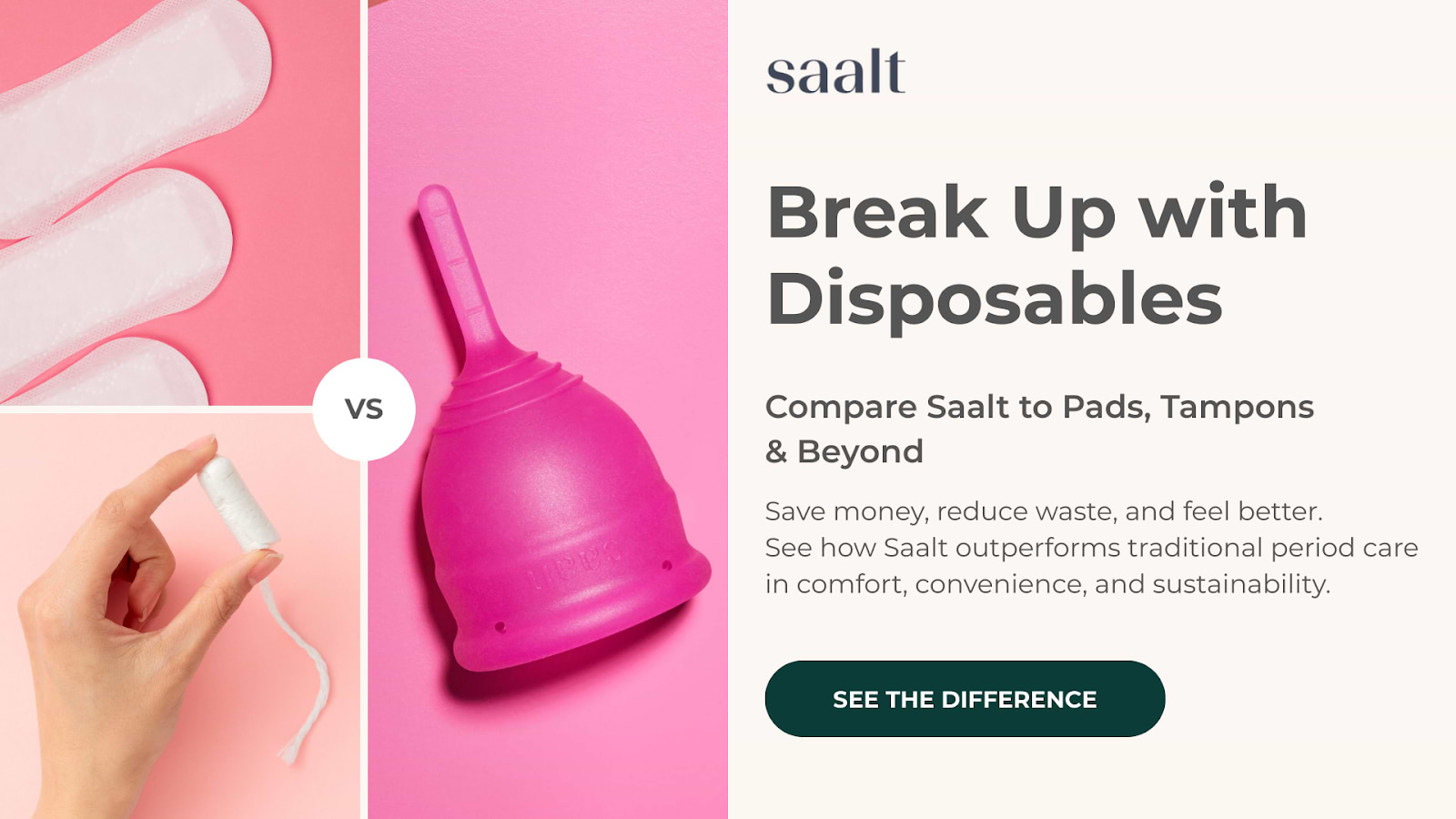
Let’s break down the safety debate: Saalt menstrual cups vs tampons. Tampons have long been popular, but they come with risks—most notably Toxic Shock Syndrome (TSS). While rare, TSS is a result from a perfect storm of micro-tears or fissures within the vaginal canal, presence of baterica, a change in pH (usually inspired by a period), and introduction of oxygen. Tampons are a known culprit in their link to TSS as dry cotton fibers have a higher opportunity to leave cuts, tears, or fissures in the walls of the vaginal canal. Tampons can also contain chemicals or bleach, which can irritate sensitive skin and disrupt your natural balance.
Period cups, like the Saalt Cup, are gaining fame for being safer. Made from medical-grade silicone, they don’t absorb moisture or introduce fibers, so they’re much less likely to foster bacteria or cause TSS. Research from the Journal of Women’s Health and other studies confirm menstrual cups have a lower association with infection. Just remember: proper cleaning is essential—rinse with water after emptying, and sanitize between cycles. Leave a cup in for over 12 hours or use without washing, and you may increase your risk of infection, but diligence with hygiene keeps this minimal.
Tampons have one user advantage: they’re very easy to use, with a simple, fuss-free insertion and removal process. However, they can shred and leave fibers behind, which may cause irritation or infection for some users. Menstrual cups have a learning curve, and improper insertion or removal can cause discomfort at first. But once you adapt and come to understand your internal anatomy—usually after a couple cycles—these issues are rare.
Cups are hypoallergenic and don't contain fragrances or dyes, making them ideal for those with sensitive skin. This stands in contrast to some tampon brands that use additives or synthetic materials. Also, menstrual cups create less waste, so safety for the body and the environment go hand in hand.
In summary, if safety tops your list, the Saalt Cup wins thanks to reduced risk of TSS, fewer chemicals, and less irritation—so long as you practice proper hygiene. Tampons are convenient but come with some health risks. And because they are single-use, they are a massive contributor to landfill and ocean pollution. Ultimately, the safer choice depends on your willingness to learn your own anatomy, cup care, and all depends on your own comfort level. Choose whatever fits your body and your lifestyle best.
Safety for Teens and First-Time Users
If you’re a teen or just starting to explore menstrual cups, safety is likely your biggest concern—and rightly so. The good news: menstrual cups are generally safe for most users, including teens, when used properly. Here’s what you need to know as you get started:
First, consider the material. Most high-quality menstrual cups are made from medical-grade silicone, which is rigorously tested for safety and generally doesn’t cause irritation. Unlike some pads or tampons that contain fragrances or chemicals, a good cup is typically free of harsh additives—an advantage for sensitive, still-changing bodies.
Next, think about fit and comfort. For teens or first-timers, the idea of inserting a menstrual cup might seem daunting. Choosing a smaller cup—especially if you’re younger or are new to inserted period products—can make things easier. There may be a learning curve, but most people master the insert-and-remove technique within a couple of cycles. Always wash your hands before and after handling the cup to keep everything sanitary to avoid infection.
You might have heard about Toxic Shock Syndrome (TSS). While it’s very rare with menstrual cups—far less common than with high-absorbency tampons—it’s still important to be careful. The main tips: maintain hygiene and never leave the cup in for longer than 8-12 hours at a stretch. For busy teens, setting a phone reminder can help you stay on track and avoid mishaps. Easy sanitizing methods, like the Saalt Steamer, or Saalt Compact Sanitizer help keep your cup clean and ready to use.
Pay attention to your body. If you experience pain, irritation, or something feels wrong, remove the cup and talk to a safe adult, parent, or healthcare provider if needed. There’s nothing wrong with taking a break, asking questions, or seeking a little guidance. After all, safety always comes first.
Menstrual cups can be a liberating choice for active, on-the-go young people. With proper use, careful cleaning, and a little patience, most teens and beginners find they’re a safe, comfortable, and eco-friendly alternative to traditional period products. (Mayo Clinic)
Wrapping Up: Saalt Menstrual Cups and Your Peace of Mind
Let’s cut to the chase—when it comes to personal care, safety isn’t just a buzzword; it’s everything. So, are menstrual cups safe? With Saalt, the answer is a resounding yes. Our cups are the best menstrual cups, crafted from premium, medical-grade silicone, free from harmful chemicals, ensuring they’re as gentle on your body as they are on the planet. We’re not just tossing out claims here; we’re a B-Corp committed to sustainability and transparency, so you can trust what you’re putting in your body.
For moms, postpartum women, or anyone juggling bladder leaks while staying active, Saalt isn’t just about safety—it’s about reclaiming your freedom. No more panicked bathroom sprints or awkward sweater tricks. Pair our cups and menstrual discs with our leakproof period underwear, made without PFAs, and you’ve got a game-changing combo for all life’s leaks. Plus, with 1% of our revenue fueling period equity programs worldwide, your choice supports a bigger mission.
So, take the leap. Try Saalt menstrual cups and experience premium protection that doesn’t break the bank. Because at Saalt, we’re all about less waste, more confidence, and ensuring every woman, everywhere, can live leak-free.
Read Also:
FAQs About Saalt Menstrual Cups
Are Saalt Menstrual Cups made from safe materials?
Absolutely, we’ve got you covered. Saalt Menstrual Cups are crafted from 100% medical-grade silicone, a material that’s been rigorously tested and widely trusted for its safety in medical applications. It’s non-toxic, free from harmful additives, and designed to be gentle on your body. We know you’ve got enough to worry about—whether it’s running between classes, chasing after kids or managing postpartum changes—so we’ve made sure our cups are a worry-free choice for your period care.
Is it safe to use a Saalt Cup overnight?
Yes, you can rest easy with a Saalt Cup in place overnight. Our cups are designed for up to 12 hours of wear, depending on your flow, making them a reliable option for uninterrupted sleep. No more panicked sprints to the bathroom or sleeping on towels—just pop it in and catch those precious Zs. Just remember to empty and rinse it in the morning to keep things fresh and hygienic.
Are there any harmful chemicals in Saalt Menstrual Cups?
Not a chance. At Saalt, we’re obsessed with keeping things clean—literally and figuratively. Our menstrual cups are free from harmful chemicals like BPA, latex, and phthalates. We skip any nasty additives in our production process because we believe in premium products that prioritize your health. Whether you’re a mom on the go or staying active as you age, you can trust that Saalt has your back (and your body) with safe, sustainable options.
Are Saalt Menstrual Cups hypoallergenic?
Yes, they are. Saalt Menstrual Cups are made from medical-grade silicone, which is hypoallergenic and unlikely to cause irritation or allergic reactions. We know that every woman’s body is unique—especially during stages like postpartum or as you navigate bladder leaks with age—so we’ve designed our cups to be as gentle as possible. If you’ve got sensitive skin or concerns, our cups are a solid, safe bet for comfortable period care.
Is it safe to use Saalt Cups during sports or swimming?
Totally! Saalt Menstrual Cups are your active lifestyle’s new best friend. Whether you’re hitting the pool, chasing after little ones, or staying fit as you get older, our cups stay securely in place and provide leakproof protection. They’re designed to move with you, so you don’t have to worry about bladder leaks or period mishaps slowing you down. Just insert, go about your day, and live life on your terms—Saalt’s got the rest covered.
Sources:
-
Mayo Clinic. (2016, March 241) Menstrual Cups vs. Tampons: Things You Might Not Know. https://newsnetwork.mayoclinic.org/discussion/menstrual-cups-vs-tampons-things-you-might-not-know-about-the-cup/
-
Mayo Clinic. (2021, October 21) Menstrual cups: Why the recent increase in popularity? https://www.mayoclinichealthsystem.org/hometown-health/speaking-of-health/menstrual-cups-vs-tampons-things-you-might-not-know-about-the-cup
-
National Library of Medicine. (2019, August 4) Menstrual cup use, leakage, acceptability, safety, and availability: a systematic review and meta-analysis. https://pubmed.ncbi.nlm.nih.gov/31324419/


