


Key Takeaways:
-
Reusable, Not Disposable: Saalt offers reusable menstrual products and leakproof underwear that significantly reduce plastic waste compared to disposable alternatives.
-
Zero-Waste Commitment: The company's zero-waste philosophy and certification, coupled with a manufacturing process without PFAS, along with microplastic-free materials, contribute to a healthier planet.
-
Support Period Equity: Choosing Saalt's products supports sustainability and period equity initiatives, benefiting both personal comfort and global environmental health.
Have you ever paused to think about all the single-use plastic piling up from pads, liners, and tampons? The truth is, disposable period and leak protection products contribute tons of waste to our planet each year. (National Library of Medicine)
That’s where Saalt comes in. We’re reimagining the way you manage leaks, with premium menstrual cups, discs, and leakproof underwear designed to cut single-use plastic out of your routine—for good. As a proud B-Corp, our mission is simple: empower women with sustainable, comfortable, and reliable options during every phase of life, from your very first period through postpartum and menopause. Plus, we invest in the future by donating 1% of revenue to period equity initiatives worldwide, working to ensure everyone has access to dignified, earth-friendly choices.
Switching to Saalt isn’t just about environmental impact (though you’ll keep an average of 3,000 plastic disposables out of landfills over ten years), but about reclaiming your time, comfort, and confidence. Our products are thoughtfully designed for busy lives, with easy care and all-day leak protection.
You deserve solutions that feel good and do good. By making the switch to reusable period products and leakproof panties, you’re joining a movement—protecting the environment, supporting global access, and making your day-to-day just a little easier. Because sustainable living should never mean settling for less. Start with Saalt: for you, and for the planet.
The Plastic Problem in Menstrual Care
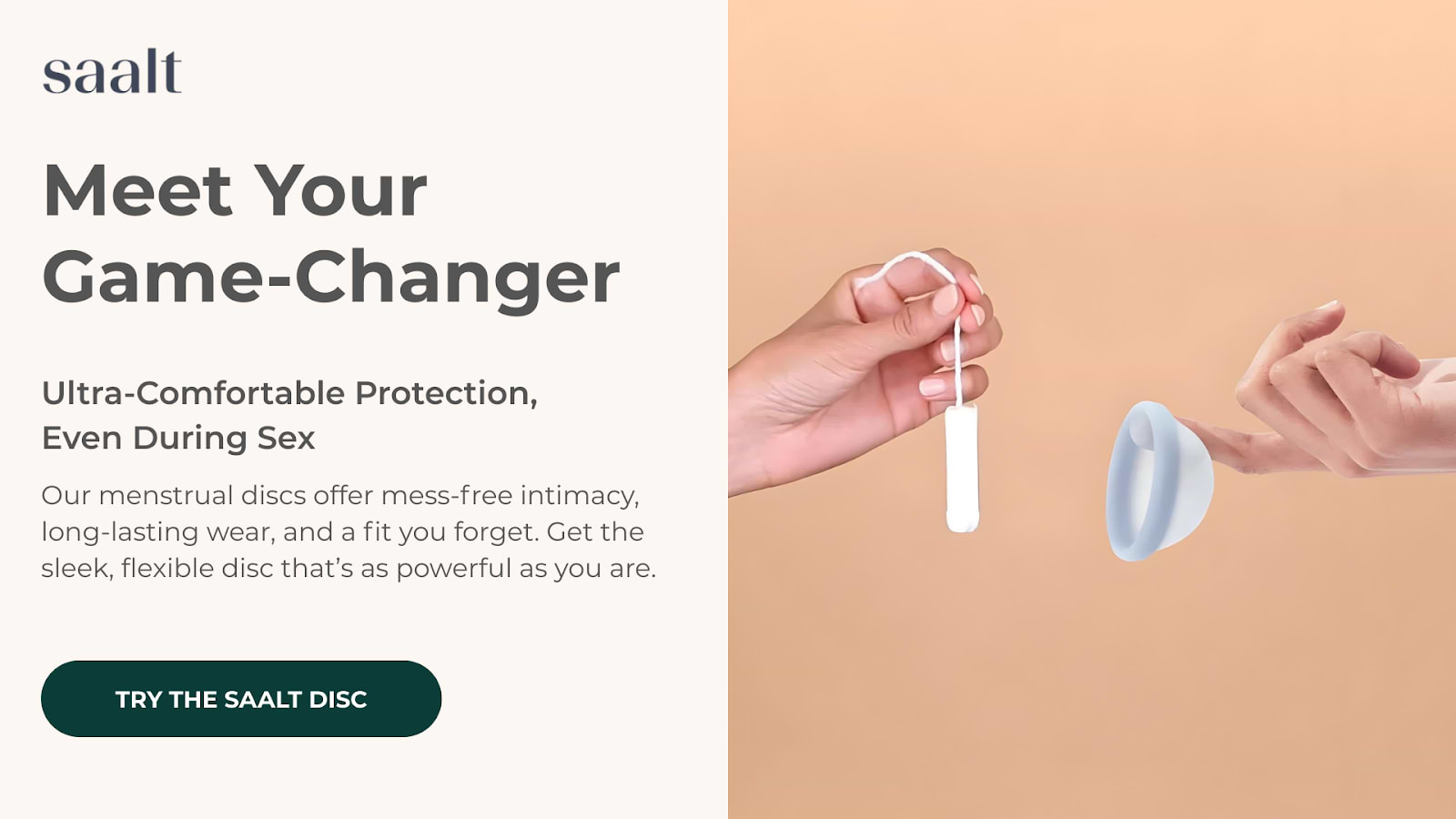
Let’s talk about the dirty little secret of menstrual care: the staggering amount of plastic waste it generates. Every year, billions of disposable pads and tampons—most of them wrapped in plastic, made with plastic applicators, or layered with synthetic materials—end up in landfills and oceans. A single pad can take up to 800 years to decompose, and with the average person using thousands of these products over a lifetime, we’re essentially building mountains of waste that’ll outlive us by centuries. It’s a slow-motion environmental disaster, one that’s been normalized for far too long.
But it’s not just the products themselves. The packaging—those crinkly plastic wrappers and bulky boxes—adds another layer of trash to the pile. And don’t even get us started on the microplastics. Many conventional menstrual products contain synthetic fibers that shed tiny plastic particles into waterways every time they break down (or don’t). These microplastics infiltrate ecosystems, harm marine life, and even make their way back into our food chain. It’s a vicious cycle, and we’re all complicit.
The benefits of reducing plastic waste in this space are undeniable. Less plastic means cleaner oceans, healthier wildlife, and a lighter burden on future generations. It’s not just about cutting down on landfill clutter—it’s about disrupting a system that prioritizes convenience over the planet. The challenge is real, but so are the solutions, and it starts with rethinking what we reach for during our periods.
Join the Movement with Saalt to Slash Plastic WasteIf you’re fed up with the endless cycle of disposable pads, tampons, and liners piling up in landfills, it’s time to make a switch that matters. Saalt is here to revolutionize how you handle periods, bladder leaks, and everything in between with our premium reusable menstrual cups, discs, and period underwear. We’re not just about keeping you dry and confident—we’re on a mission to cut down plastic waste and champion period equity worldwide. Here’s how you can jump in and make a difference with Saalt:
Dive into a leak-free, planet-friendly lifestyle. Check out Saalt today and let’s tackle plastic waste together! |
Why Reusable Products Matter
Let’s talk real numbers for a moment—because what’s at stake here is bigger than any late-night rabbit hole. Single-use plastic products—like disposable pads and tampons—pile up in landfills at a staggering rate, with billions discarded every year. They sit there for centuries, leaching microplastics into the soil and water, a silent glitch in the system we can’t just patch out. The environmental cost is brutal: think resource depletion, wildlife harm, and a carbon footprint that’d make even the most die-hard achievement hunter wince.
But here’s the unlock—reusable alternatives can flip the script. By switching to products designed for the long haul, you’re not just cutting down on waste, you’re actively reducing the demand for plastic production. That’s a direct hit to the pollution pipeline. Plus, the benefits of reducing plastic waste ripple out further: cleaner oceans, less strain on waste management, and a healthier planet for the next generation of players in this game of life. It’s not just a personal win; it’s a collective power-up. And let’s be real—every small choice to ditch disposables is a step toward outsmarting a system that’s been stacking the odds against us for too long.

Saalt’s Zero-Waste Design Philosophy
Let’s talk about design with a purpose—a philosophy that doesn’t just aim to solve a problem but to rewrite the rules of how we think about everyday products. Imagine a world where the underwear you slip on every morning isn’t just about comfort or function, but about making a tangible dent in the plastic waste choking our planet. That’s the kind of thinking driving the creation of leakproof gear that’s as kind to the earth as it is to your body.
The ethos here is simple yet radical: build products that last, that don’t pile up in landfills, and that sidestep the toxic baggage of forever chemicals like PFAs. It’s about crafting underwear that absorbs life’s messes—whether it’s period flow, bladder leaks, or discharge—without contributing to the mess of single-use plastics. Think reusable, durable, and designed to handle the chaos of teen years, pregnancy, postpartum recovery, or staying active as you age. Every stitch and fabric choice is a deliberate push against the disposable culture that’s got us drowning in trash.
And it’s not just about cutting waste at the product level. The mission extends to how these items are made—sustainable practices that prioritize the planet over profit margins. It’s a middle finger to the idea that convenience has to come at the cost of the environment. Instead, you’ve got gear that’s built to stick with you through life’s phases, reducing the need to constantly buy, toss, and repeat. That’s the kind of design that doesn’t just check a box—it changes the game.
Materials Made Without PFAS and Microplastics
Let’s talk about the dirty little secret of so many everyday products: PFAS and microplastics. These aren’t just buzzwords thrown around to scare you—they’re real, pervasive, and often tucked into the very fabrics we trust to keep us safe and comfortable. PFAS, or "forever chemicals," are used in everything from waterproof coatings to non-stick pans, and they don’t break down. Ever. They linger in the environment, in our water, in our bodies. Microplastics? Tiny fragments of plastic that sneak into our ecosystems, our food chain, even our bloodstreams. Not exactly the kind of legacy we want to leave behind.
Now, imagine a world where the underwear designed to protect you during life’s messiest moments isn’t contributing to this mess. That’s the kind of thinking driving innovation in leakproof gear today. Instead of relying on harmful chemical finishes or plastic-heavy materials, there’s a push for fabrics that do the job without the environmental baggage. Think breathable, sustainable fibers that wick moisture and lock in leaks, all without a trace of PFAS in the finishing process. It’s not just about keeping you dry—it’s about keeping the planet cleaner, too.
The benefits of reducing plastic waste here are hard to overstate. Every piece of gear made without microplastics or toxic chemicals is one less contributor to the mountains of landfill trash or the swirling ocean gyres. It’s a choice that ripples outward, protecting marine life, cutting down on pollution, and ensuring that the products we wear closest to our skin aren’t silently harming us or the world around us. This isn’t just a trend; it’s a necessary shift, a way to demand better from the things we buy and the industries behind them. (International Journal of OB-GYNE)
Lifecycle Analysis of a Saalt Cup vs Disposables
When comparing a Saalt menstrual cup to disposable pads and tampons, the environmental and economic benefits become clear through lifecycle analysis. A single reusable menstrual cup lasts up to 10 years with proper care. That’s roughly 120 cycles, or a decade’s worth of periods. In contrast, one person uses about 20 pads or tampons per cycle—amounting to approximately 2,400 disposables over the same period. Every one of those pads and tampons, along with their individual plastic wrappers and applicators, ends up in the landfill or even polluting waterways. A single cup, reused every month, reduces that waste to almost nothing.
From a production standpoint, disposables require large amounts of cotton, rayon, and plastic, not to mention the energy for manufacturing and shipping. While the Saalt cup isn't entirely impact-free, its one-time production is far less resource-intensive and polluting compared to making thousands of single-use products. Lifecycle studies indicate that menstrual cups cut carbon emissions by up to 90% compared to disposables. While you do use water to wash the cup, it’s minimal next to the water required for manufacturing disposables.
Financially, reusables also win out. A quality menstrual cup may cost about $30 upfront, but when you stretch that over 10 years, it’s only a few cents per cycle.Disposable products, at $5–$10 per month, easily add up to thousands over the same time. Saalt cup users not only save money, they make fewer trips to the store and avoid emergency runs.
Lastly, swapping disposables for a cup helps cut down on plastic pollution, including microplastics that harm ecosystems and even our food chain. Using a Saalt cup isn’t just a choice for your body—it’s a clear, positive stance for the environment, drastically reducing waste, pollution, and your personal carbon footprint.
Make the Switch: Saalt’s Fight Against Plastic Waste
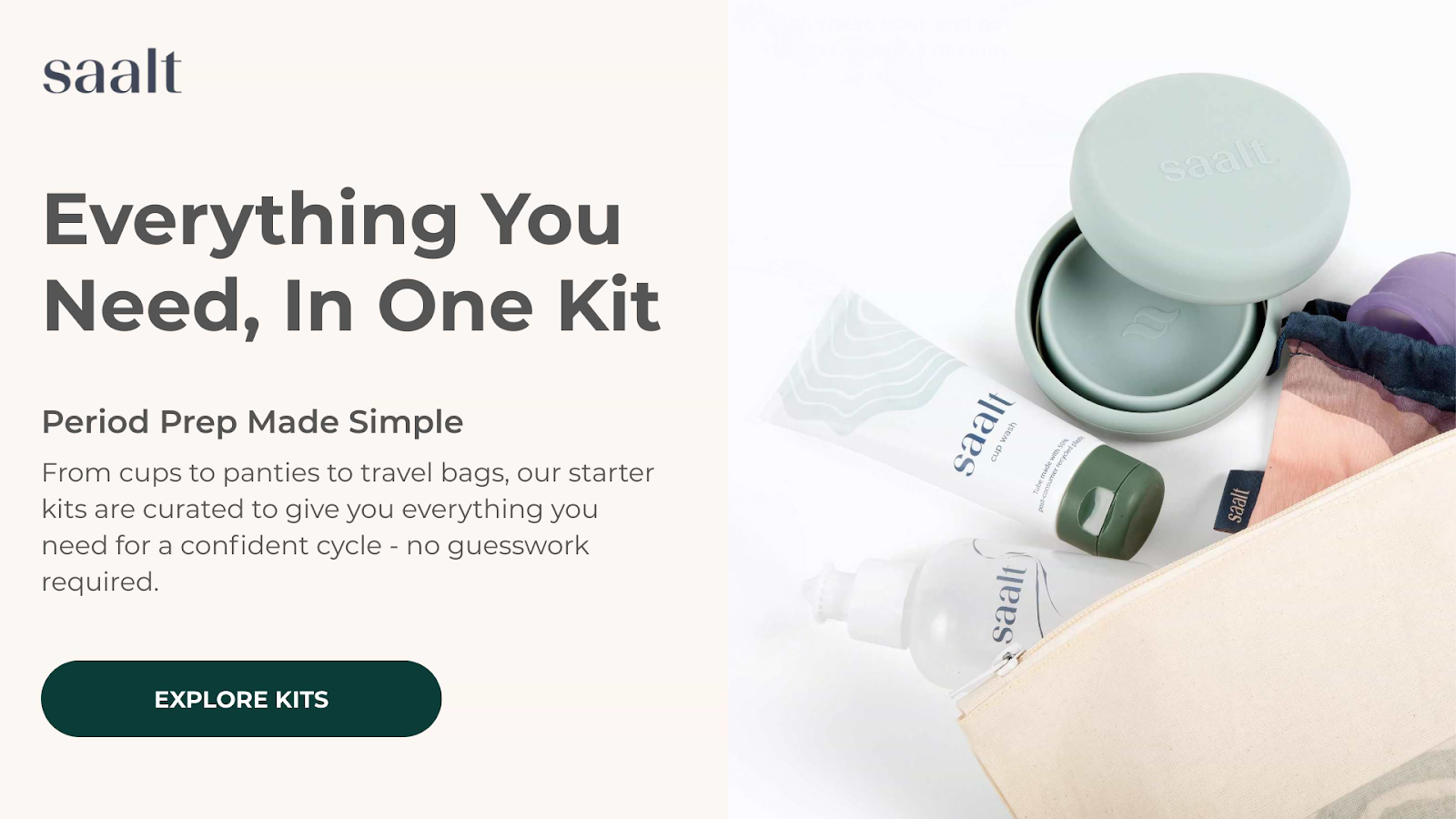
Listen, we get it—life’s messy. Between juggling all the things we know you’re juggling, like classes, jobs, kids, volunteering, the gym, or just trying to stay active without worrying about bladder leaks, the last thing you need is more stress. That’s where Saalt steps in, not just with premium period panties that have your back (and your front), but with a mission to tackle the plastic waste crisis head-on. By choosing reusable products like our period cups, menstrual discs, and period underwear, you’re directly cutting down on the single-use plastics clogging up landfills and oceans. The benefits of reducing plastic waste aren’t just environmental—they’re personal. Less waste means a cleaner planet for your family, and Saalt’s sustainable designs, made without PFAS, ensure you’re not trading safety for convenience.
As a B-Corp, we’re obsessed with doing better, whether it’s through eco-friendly production or donating 1% of our revenue to period equity programs worldwide. So, next time you slip into Saalt’s leakproof gear, know you’re part of something bigger. You’re saying no to panicked bathroom sprints and yes to a future with less waste. Ready to join the fight? Let’s make messes manageable—and the planet a little cleaner—together.
Read Also:
FAQs About Saalt and Reducing Plastic Waste
What is Saalt's mission in reducing plastic waste?
Saalt’s mission is to make periods easier while championing sustainability. As a certified B-Corp, we work to end the billions of disposable pads and tampons sent to landfills and oceans every year. Through reusable menstrual cups, discs, and leakproof period pants, we help replace single-use products with safer, longer-lasting solutions—and 1% of our revenue goes to global period equity initiatives.
How do Saalt menstrual cups help minimize plastic use?
Disposable pads and tampons are major plastic polluters. Saalt menstrual cups, made from medical-grade silicone, can be reused for up to 10 years. By switching to Saalt, you drastically reduce your plastic footprint while enjoying reliable period protection. Interested in learning how to use a menstrual cup? We’ve got that covered too.
Are Saalt products made from sustainable materials?
Yes! Our products use high-quality, durable materials, and our leakproof underwear is made without harmful PFAs. We prioritize sustainability in all our designs, making eco-friendly period solutions for every life stage—teens, new moms, athletes, and more.
How many disposable products can one Saalt cup replace?
A single Saalt cup can replace up to 3,000 disposable pads or tampons over its lifespan. That’s thousands fewer pieces of plastic waste per user—helping keep landfills and oceans cleaner and supporting a more cost-effective, responsible way to manage periods and leaks.
Is Saalt's packaging environmentally friendly?
We’re committed to lowering our impact at every step, including using recyclable and compostable packaging materials whenever possible. When you choose Saalt, you help cut down on waste and support more sustainable manufacturing practices. Switching to Saalt means embracing comfort and convenience—while supporting your health, reducing plastic waste, and protecting the planet for future generations.
Sources:
-
International Journal of Gynecology & Obstetrics. (2022, July 4) Menstruation: Environmental impact and need for global health equity. https://obgyn.onlinelibrary.wiley.com/doi/full/10.1002/ijgo.14311
-
National Library of Medicine. (2024, November 4) Environmental impact of menstrual hygiene products. https://pmc.ncbi.nlm.nih.gov/articles/PMC11865846/


