


Key Takeaways:
-
Comparison of Saalt and Nixit: Explore how Saalt cups and discs compare to Nixit discs in terms of style, capacity, fit, and more to help determine which might suit your needs and lifestyle best.
-
Usage and Comfort Insights: Understand the differences in comfort, fit, and user experiences between menstrual cups and discs, including how they function, insertion methods, and suitability for various activities and body types.
-
Choosing the Right Product: Delve into the heavy flow handling, leak protection capabilities, and learning curves associated with each product to make an informed decision about whether Saalt or Nixit is right for you.
We’ve been there: navigating the world of period care products can be overwhelming, especially when the options are as innovative (and eco-friendly!) as reusable menstrual cups and discs. From teen years and sports to postpartum changes and finding something you trust while you’re sleeping, leading that board meeting, or lounging poolside in your self-love era—comfort, protection, and sustainability are always top of mind.
Two of the most popular names in internal reusable period care right now are Saalt and Nixit—each offering their own approach to leakproof living. Maybe you’re curious if a cup or a disc is more right for your body, your lifestyle, or even your flow. Are you looking for something that stays put during yoga? Need hands-free protection for sleepless new-mom nights? Or are you simply ready to swap pads and tampons for a planet-friendlier routine that actually works?
You’re in the right place. In this guide, we’ll break down the key differences between Saalt and Nixit—discs vs cups—and help you find the product that meets your needs, supports your values, and lets you live life on your terms, worry-free.
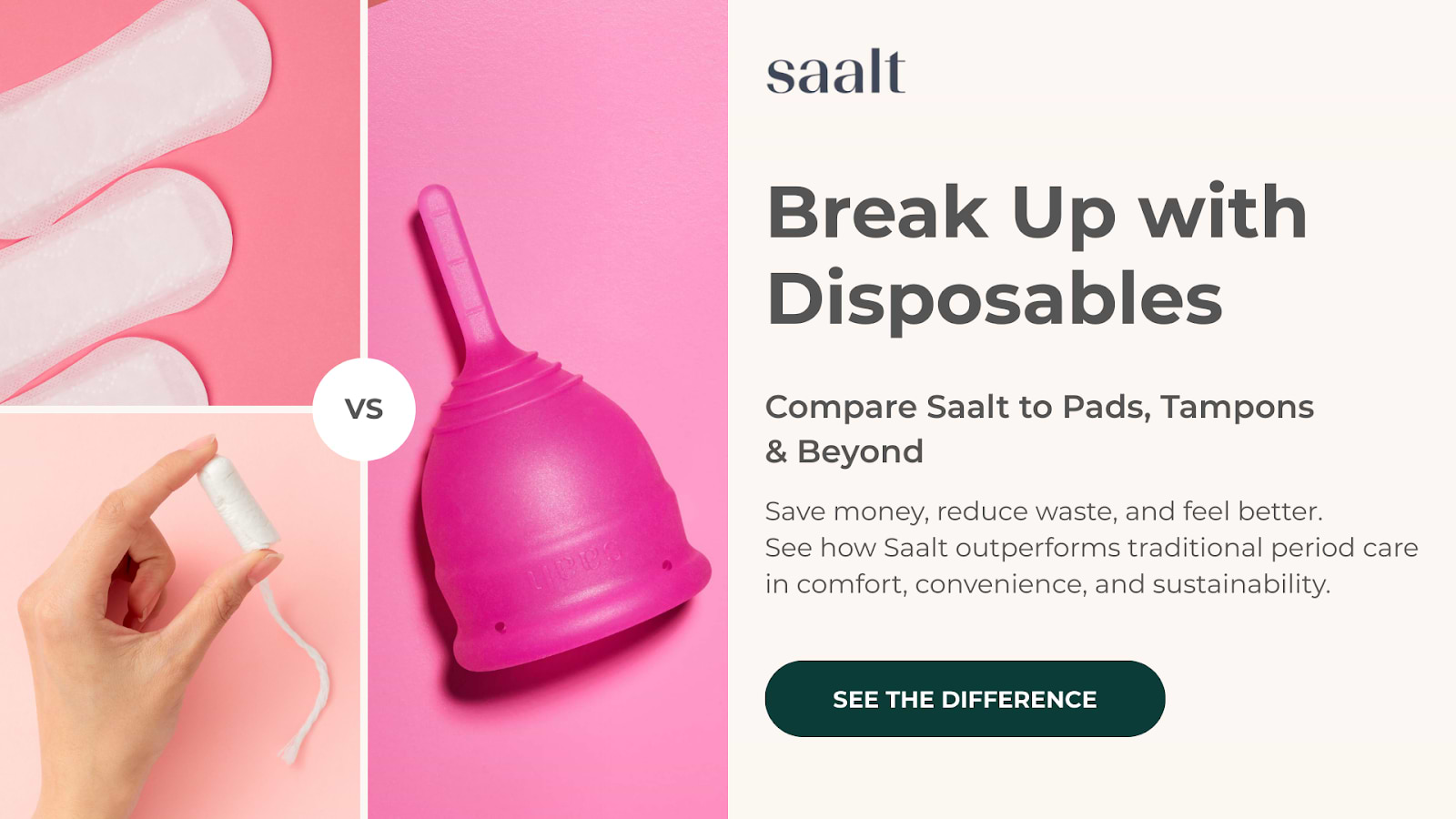
Saalt vs Nixit at a Glance: Quick Comparison
Curious how these two popular reusable period products stack up? Here’s a side-by-side look at how the Saalt Cup and Disc compare to the Nixit Disc, helping you decide which might be the best fit for your needs and lifestyle.
|
Feature |
Saalt Cup/Disc |
Nixit Disc |
|
Style |
Cup (original & soft) & disc options |
Disc only |
|
Insertion Method |
Fold & insert (cup), Pinch & insert (disc) |
Pinch & insert |
|
Capacity |
Cup: 15-30ml Disc: ~50ml |
Disc: ~70ml |
|
Fit/Shape |
Cup: Bell-shaped, sits lower in vagina Disc: Oval, sits at vaginal fornix |
One-size oval disc, sits at vaginal fornix |
|
Sizes Available |
Multiple sizes (cup & disc) |
One size |
|
Mess-free Period Sex |
Disc: Yes Cup: No |
Yes |
|
Materials |
Medical-grade silicone |
Medical-grade silicone |
|
Wear Time |
Up to 12 hours |
Up to 12 hours |
|
Removal |
Grip rings for cup, removal tab for disc |
Rim grip |
|
Postpartum-friendly |
Yes (disc recommended or Saalt Soft Cup) |
Yes |
|
Suction |
Cup: gentle suction Disc: none |
No suction |
|
Beginner-friendly |
Cup: Slight learning curve Disc: Moderate learning curve |
Moderate learning curve |
This table covers the most important differences at a glance, including unique features and facts about wear, insertion, and capacity—so you can quickly see how each product might work for your body and lifestyle.
Ready to Make the Switch? Choose Comfort and Confidence with SaaltChoosing between Saalt and Nixit is all about finding what works best for your body and your lifestyle. At Saalt, we know how important it is to feel comfortable, protected, and empowered—whether you’re managing monthly periods, postpartum changes, or daily bladder leaks. Our mission is to help you reclaim your day, your confidence, and your comfort, no matter what stage of life you’re in. Here’s why thousands have made the switch to Saalt:
Take the step toward leak-free, carefree living. Try Saalt today—because your comfort isn’t optional, it’s essential. |
How Menstrual Cups and Discs Function Differently
While both menstrual cups and discs are designed to collect menstrual flow rather than absorb it, their shapes, placement, and removal methods set them apart in the world of period care.
Menstrual cups are bell-shaped and typically made of soft, flexible medical-grade silicone. To insert, you fold the cup and place it into the vaginal canal, where it gently pops open and forms a seal against the vaginal walls. This placement sits lower than a tampon and relies on a snug fit—creating a suction seal that helps prevent leaks. When it’s time for removal, the user pinches the base to break the seal and pulls the cup out, then empties, rinses, and reinserts as needed. (Cleveland Clinic) Learn: How to insert a menstrual cup.
Menstrual discs, on the other hand, are round and flat with a flexible rim. Instead of forming a seal by suction, discs sit higher up in the vaginal fornix, nestled just below the cervix. They stay in place by tucking the rim behind the pubic bone, effectively collecting flow before it ever reaches the vaginal walls. Learn: How to insert a menstrual disc. Removal is a bit different as well: users hook a finger under the rim (or under removal tab for the Saal Disc) and gently pull the disc out, tilting to avoid spills. Learn: How to remove a menstrual disc.
Both options can hold several times more than a regular tampon and are designed for up to 12 hours of wear. However, the unique differences in shape and placement mean that people may find one option more comfortable, secure, or discreet depending on their anatomy and activity levels.
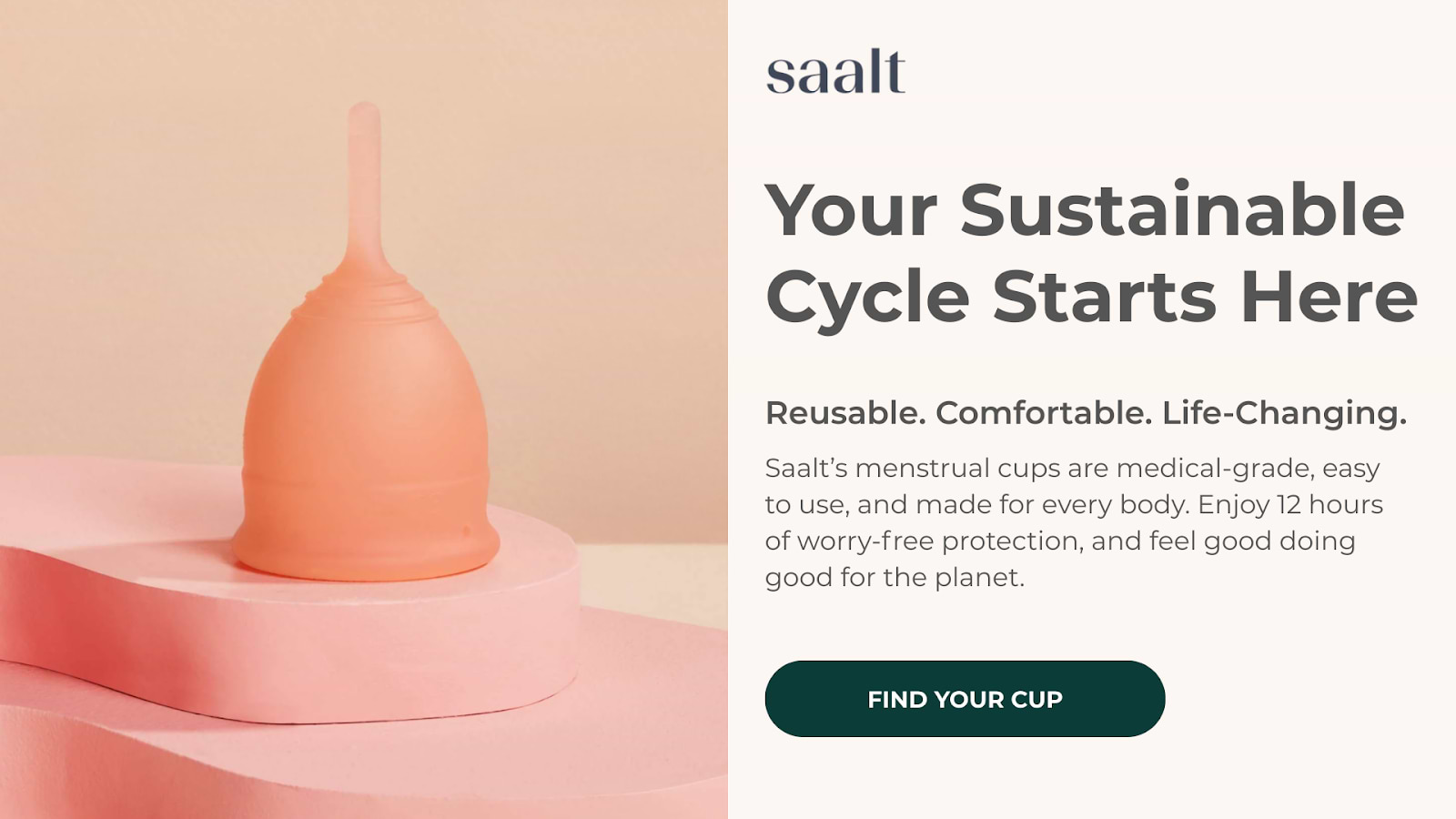
Comfort & Fit: User Experiences Head-to-Head
When choosing between a period disc and a menstrual cup, comfort and fit are top priorities for many users. Both products provide leak protection, but their placement, feel, and user experiences differ significantly.
Period discs are wider and sit high in the vaginal fornix, above the pelvic bone. Many users report that, once inserted properly, they “can’t feel a thing”—even during exercise or long workdays. This makes discs especially popular among those with sensitive bladders or those who want a “barely there” sensation.
Menstrual cups form a gentle seal lower in the vaginal canal, with grip rings for easy removal. People with high or low cervixes appreciate the range of cup sizes and firmness options Saalt has to offer. Some users feel that cups offer more support or security, especially for heavy flow days or overnight wear, and find the fit reassuring during activities like running.
Both products have a learning curve: new users may need a cycle or two to master folding a cup or tucking a disc behind the pubic bone. Comfort depends on individual anatomy and lifestyle, like cervix height and pelvic floor strength. Learn: How to measure my cervix.
Some users experience less leakage with one style over the other. Those prone to bladder pressure often prefer discs, while others find cups more supportive. Ultimately, comfort and fit are highly personal—many find it helpful to try both in various situations before settling on their favorite.
Capacity and Leak Protection for Heavy Flow
When heavy flow hits, you need confidence that your period product can keep up. Let’s break down how discs and cups perform when the stakes (and the volume) are high.
Menstrual cups are essentially a small, bell-shaped container that sits in your vaginal canal and collects menstrual fluid. The Saalt Teen Cup holds up to 15 mL fluid, the Saalt Small Cup holds up to 25 mL fluid, and the Saalt Regular Cup holds up to 30 mL fluid. Cups create a gentle seal against the vaginal walls, which not only helps with leak prevention but also allows you to move, sleep, and even work out without fear of embarrassing leaks.
Menstrual discs, by contrast, sit higher up—nestling in the vaginal fornix, just below the cervix. This position allows many discs to hold more fluid overall. The Saalt Small Disc (for small fornices or low cervixes) holds up to 30 mL fluid. The Saalt Regular Disc (for larger fornices or higher cervixes) hold up to 50 mL fluid. The Nixit Disc comes in one size and holds up to 70 mL fluid. Because menstrual discs, on average, hold more fluid capacity, they are often the choice for people with a heavy flow. Because discs don’t rely on suction, they can also be a more comfortable option for some, especially those who are postpartum or experience pressure from menstrual cups.
It’s not just about the numbers, though. Discs and cups both form physical barriers to leaks, but discs are uniquely positioned to take advantage of “auto-dumping” during bathroom breaks—which means a disc can even “empty itself” (for some) a bit when you use the toilet, giving extra mileage on a single insert. This is a phenomenon that doesn’t happen for all users though.
Still, the seal of a cup is tough to beat for all-night peace of mind. For many, making the right choice comes down to the balance between maximum capacity and how much you trust your product to stay put—especially during those worry-inducing, heavy-flow days.
Insertion and Removal: Learning Curves Explained
When it comes to navigating the world of reusable period products, insertion and removal are often the first hurdles—cue a montage of YouTube tutorials, Instagram how-tos, and a fair share of real talk with friends. Both period discs and cups, like those from Saalt and Nixit, come with their own set of quirks and comfort features, and the experience can vary widely from person to person.
Menstrual Cups: Menstrual cups usually have a firmer rim and a conical or bell shape. To insert, most people fold the cup (there are several folding techniques, from the C-fold to the punch-down), then guide it into the vaginal canal, allowing it to pop open and create a gentle seal. The stem helps with both placement and removal—pinch the base of the cup, break the seal, and ease it out. There’s a learning curve, but most users get the hang of it after a few cycles, and soon find the process as instinctive as tying their sneakers.
Menstrual Discs: Discs, in contrast, are usually firmer but flatter and sit higher up, in the vaginal fornix. Their insertion is a bit different: squeeze the sides together, angle back and down, and ensure the front edge is tucked behind the pubic bone. Removal can seem tricky at first—hook a finger under the rim (Nixit), or under the removal notch (Saalt), then gently slide it out, keeping it level to avoid spills. Reusable menstrual discs may take a few tries to master, particularly because they sit differently compared to cups, but many find the learning curve smoother due to the disc’s natural fit with the body’s anatomy.
Breaking Through the Awkward Phase No matter which option you choose, know this: everyone fumbles a little at first. It’s normal to feel unsure as you figure out what angle or position works best for you. Experiment with different folds, stances (many swear by trying insertion and removal in the shower), and don’t be discouraged by early slip-ups. With a little patience, inserting and removing either a cup or a disc can become a quick, routine part of your day—no panic necessary.
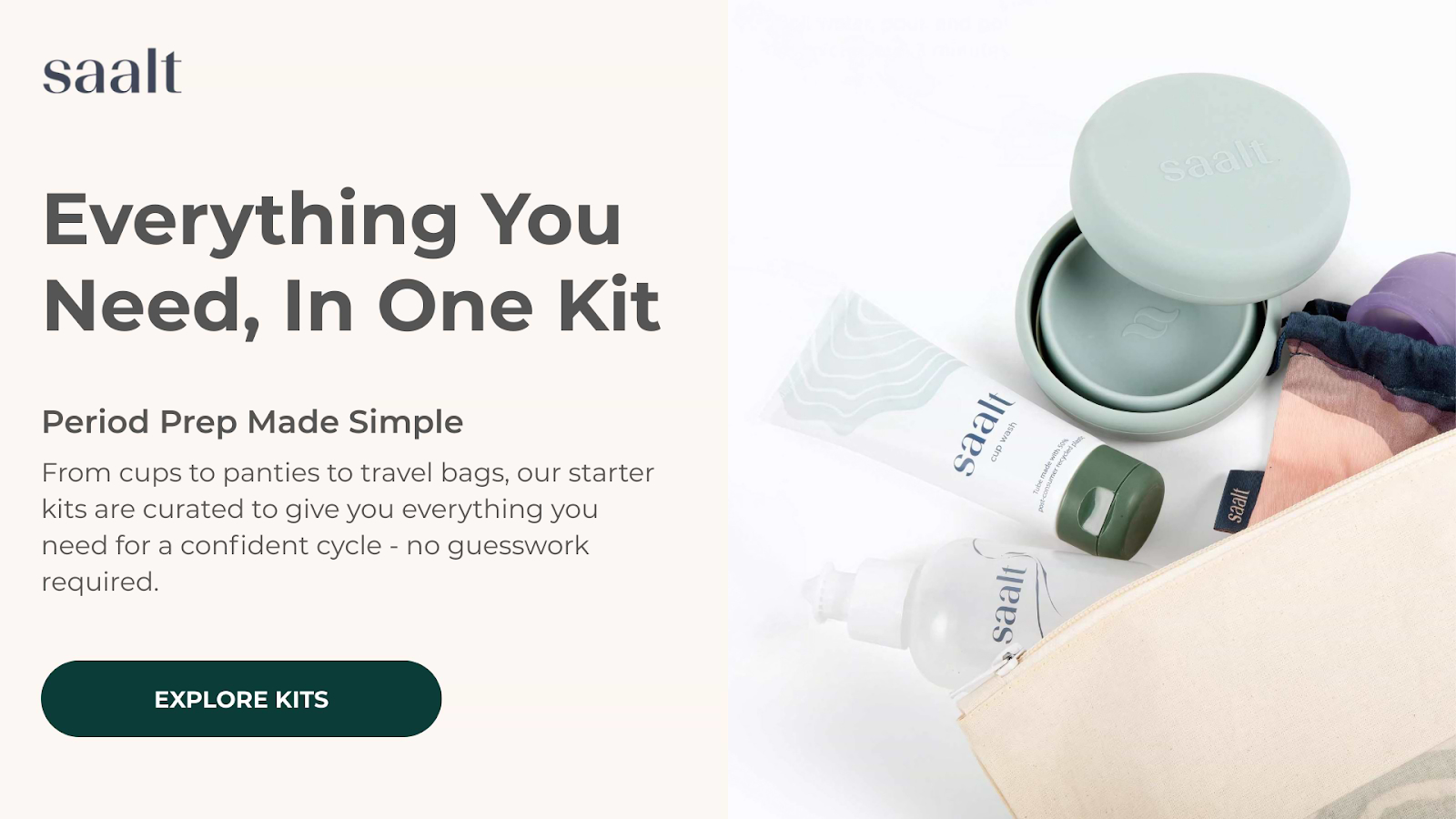
Making the Switch: Finding Your Perfect Fit—Saalt or Nixit?
When it comes to choosing between Saalt and Nixit for period care, there’s no one-size-fits-all answer. It all comes down to understanding your body, your flow, and your lifestyle. Saalt offers premium reusable menstrual cups and discs, in a variety of sizes and firmness levels, designed with ultimate comfort, leak protection, and sustainability in mind. Saalt’s products fit a range of anatomies and needs, empowering you to live life leak-free—whether you’re chasing little ones, hitting pilates class, or embracing the next chapter.
Nixit’s disc-style approach offers a unique fit and mess-free experience for some users, but it can come with a learning curve. Saalt’s thoughtful design and commitment to responsible supply chain, inclusive sizing, and period equity initiatives mean we’re with you every step of your journey, from first periods to postpartum changes, and staying active as you mature.
If you’re looking for less waste, reliable comfort, and a positive impact on the world (and your wallet), Saalt offers more than just a product—it’s peace of mind for every stage of life. Still unsure? Why not pair your cup or disc with Saalt’s period underwear for double the confidence, wherever life takes you.
Read Also:
Frequently Asked Questions: Saalt vs Nixit
Which holds more menstrual fluid, Saalt or Nixit?
Both Saalt menstrual cups and the Nixit disc are designed for heavy flow, but their capacities differ. The Nixit single-sized disc boasts a higher capacity (70 ml) compared to most Saalt cups, which hold between 15-30 ml depending on the size. Saalt Discs hold between 30-50 mL, depending on size. If pure capacity is your top priority, Nixit edges ahead. However, Saalt cups and discs come in multiple sizes and shapes to better fit different users’ needs, which also affects how long you can go between changes.
Are Saalt cups and Nixit discs reusable?
Absolutely! Both Saalt menstrual cups and Nixit discs are made from medical-grade silicone and are meant to be reused cycle after cycle. This makes them eco-friendly alternatives to disposable period products like tampons, pads or disposable menstrual discs. Proper cleaning after each use is key to keeping them in great shape for years.
Is insertion easier with a cup or a disc?
Ease of insertion is highly personal and depends on your anatomy and experience. Many users find Saalt cups straightforward to fold and insert, thanks to their firmer, grippable design, not to mention menstrual cups sit lower in the vaginal canal and are a great product to start with for those new to inserted reusables. Nixit and Saalt discs require folding and tucking behind the pubic bone, higher within the vaginal fornix, which some find trickier at first. If you’re new to period products, cups might feel more intuitive; if you’re familiar with tampon insertion, you might take to discs quickly.
Which is more comfortable to wear for long periods?
Comfort is subjective, but generally, both Saalt cups and Nixit discs are made for long-term wear (up to 12 hours). Saalt cups sit lower within the vaginal canal, and many users forget they're even there. Nixit discs rest higher up and are sometimes preferred by those who don’t like the feeling of a stem or base near the vaginal opening. Try both to see which matches your comfort preferences.
Can either be worn during sex?
Nixit discs can be worn during penetrative vaginal period sex and are marketed as “sex-friendly,” so you can stay protected without removing your disc. Saalt cups, like most period cups, need to be removed before intercourse, as they sit lower and would interfere with sex. Always check manufacturer guidelines and do what feels comfortable for your body.
Sources:
-
Clinic, C. (2025i, November 17). Everything you need to know about Menstrual cups. Cleveland Clinic. https://health.clevelandclinic.org/menstrual-cup
-
Menstrual discs. (n.d.). https://www.nj.gov/health/womenshealth/reproductive-health/periods-menstruation/period-products/menstrual-discs.shtml


