


Key Takeaways:
-
All-Day Coverage: Menstrual cups offer teens a convenient, eco-friendly, and cost-effective alternative to traditional period products, allowing for up to 12 hours of wear and less waste.
-
Beginner Safety Guidelines: Key safety tips for beginners include choosing medical-grade materials, proper cleaning, and respecting the recommended 12-hour wear time to ensure a comfortable and hygienic experience.
-
Choosing the Right Cup: Finding the right size and firmness of a menstrual cup is crucial for comfort and effectiveness, with smaller and softer options generally being ideal for younger users.
Navigating the world of period products can feel overwhelming—especially for teens just getting started. Pads and tampons have long been the traditional go-tos, but menstrual cups are quickly winning over newcomers with their health, environmental, and budget-friendly benefits. But making the switch isn't always simple, and finding the best menstrual cups for teens requires answers to real-life questions: Which cups are comfortable? How do you use them (without awkward moments at school)? Can you trust them to do the job, even if you're new to periods?
At Saalt, our mission is to turn period panic into confidence—no more tying sweaters around waists or worrying about embarrassing leaks. We’re all about reducing waste and creating premium, accessible solutions that truly work for everyone, from teens to those navigating pregnancy, postpartum, or bladder leaks later in life. In this guide, we’ll break down the best beginner-friendly menstrual cups for teens, share actionable tips for making the switch, and empower you—or your teen—to go about your day worry-free. Ready to kick leaks and uncertainty to the curb? Let’s dive in.
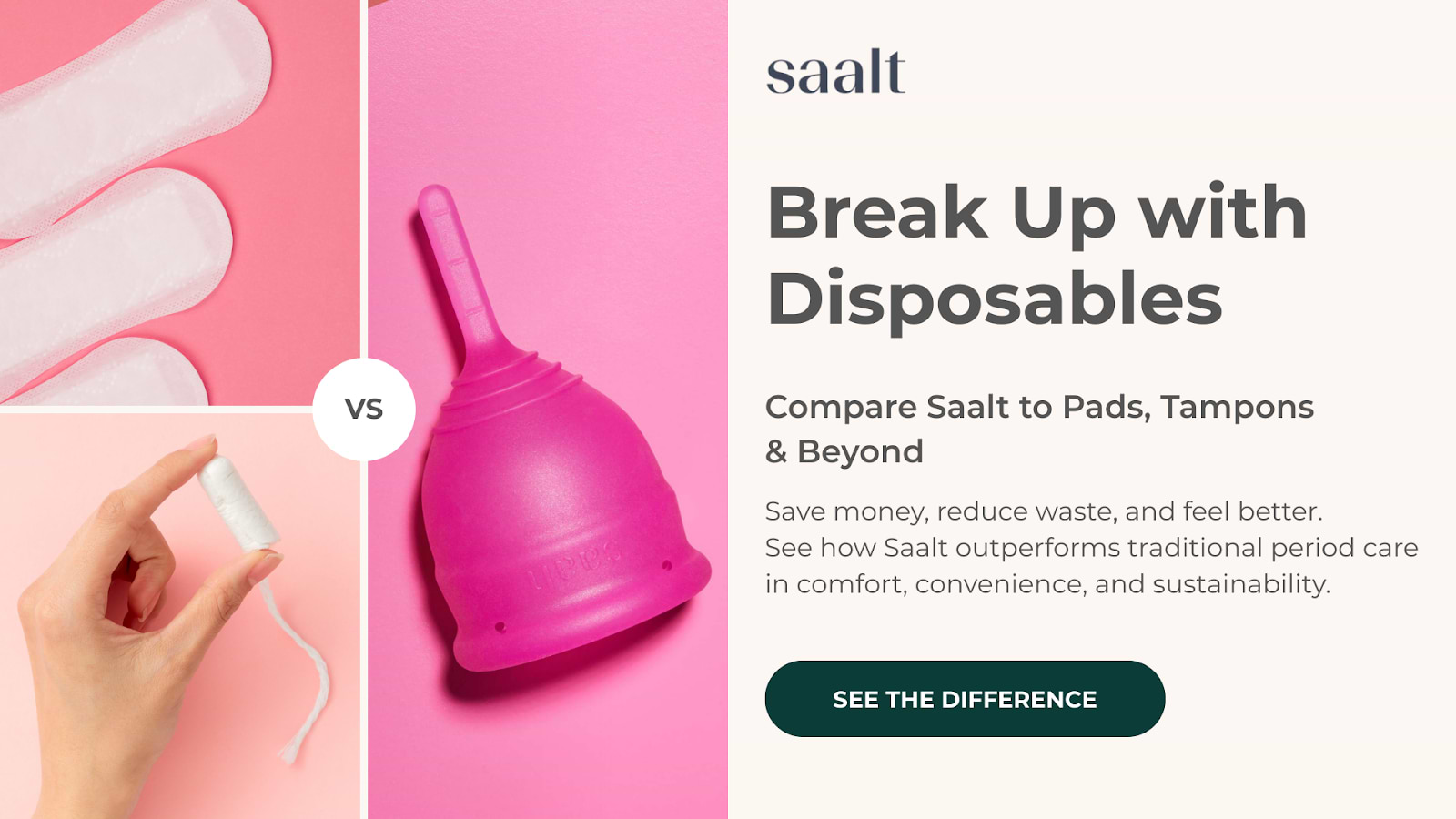
Why Choose a Menstrual Cup as a Teen?
Making the switch to a menstrual cup as a teen can feel intimidating, but there are lots of great reasons to give it a try—especially if you’re looking for something convenient, eco-friendly, and cost-effective. Unlike pads and tampons, a reusable menstrual cup can be worn for up to 12 hours at a time, meaning less time worrying about changing products at school or during sports practice. That kind of freedom really adds up.
For teens who are just starting their period journey, comfort is a big deal. Menstrual cups are made from soft, medical-grade silicone that flexes to fit your body, so when you find the right size, you might even forget you’re wearing it. No more bulky pads or frequent changes—just reliable protection that fits with your lifestyle.
Another big plus: menstrual cups are reusable, which means you’re creating way less waste. One cup can last up to 10 years with proper care, and that’s not only better for the planet, but it’s also a savvy way to save money. Imagine not needing to worry about running out of pads or tampons—or spending extra cash at the last minute.
Finally, learning about your body and gaining a sense of independence is empowering. Using a menstrual cup can help teens feel more comfortable with their cycles, removing some of the mystery and anxiety. It’s a step toward owning your period experience with confidence and control.
Take the Next Step With Saalt: Period Confidence Starts HereReady to help your teen—or yourself—ditch period worries and embrace a more sustainable, comfortable cycle? At Saalt, we believe everyone deserves premium, reusable solutions that make periods less stressful and more empowering. Whether you’re searching for the best menstrual cups for teens or simply want leakproof backup for any stage of life, we’ve got you covered. Here’s why choosing Saalt is a decision you—and the planet—can feel good about:
Explore Saalt’s menstrual cups, menstrual discs, and leakproof underwear here—and take the stress out of cycles, forever. |
How Menstrual Cups Differ From Pads and Tampons
If you’re exploring period products as a teen, understanding how period cups differ from pads and tampons can help you choose what’s right for your body and lifestyle.
Pads are worn outside the body, sticking to your underwear to collect menstrual flow as it leaves. They’re familiar and easy to use, but must be changed every few hours and can sometimes feel bulky. Since they're disposable, pads also create a lot of waste.
Tampons are inserted into the vagina to absorb blood before it leaves the body. They’re less bulky, great for sports and swimming, and also need changing every 4–8 hours. However, some find insertion uncomfortable at first, and there’s a small risk of toxic shock syndrome if not used properly.
Menstrual cups work differently. Made from medical-grade silicone or TPE, these cups are folded and inserted into the vagina, where they open up and collect period blood. Here are the key differences:
-
Longer wear time: Cups can be worn up to 12 hours—even overnight—so you don’t have to worry about frequent changes.
-
Eco-friendly and cost-effective: One cup can last for years, saving you money and greatly reducing waste.
-
Comfort and freedom: Many teens report cups feel barely noticeable when inserted properly and are suitable for physical activities like dancing or swimming.
Menstrual cups do have a learning curve, and getting used to insertion and removal might take a few tries as you come to learn about your internal anatomy. Still, many find the benefits—less waste, lower long-term cost, and fewer leaks—make them a game-changer. Ultimately, knowing these differences can help you find the best period solution for you.
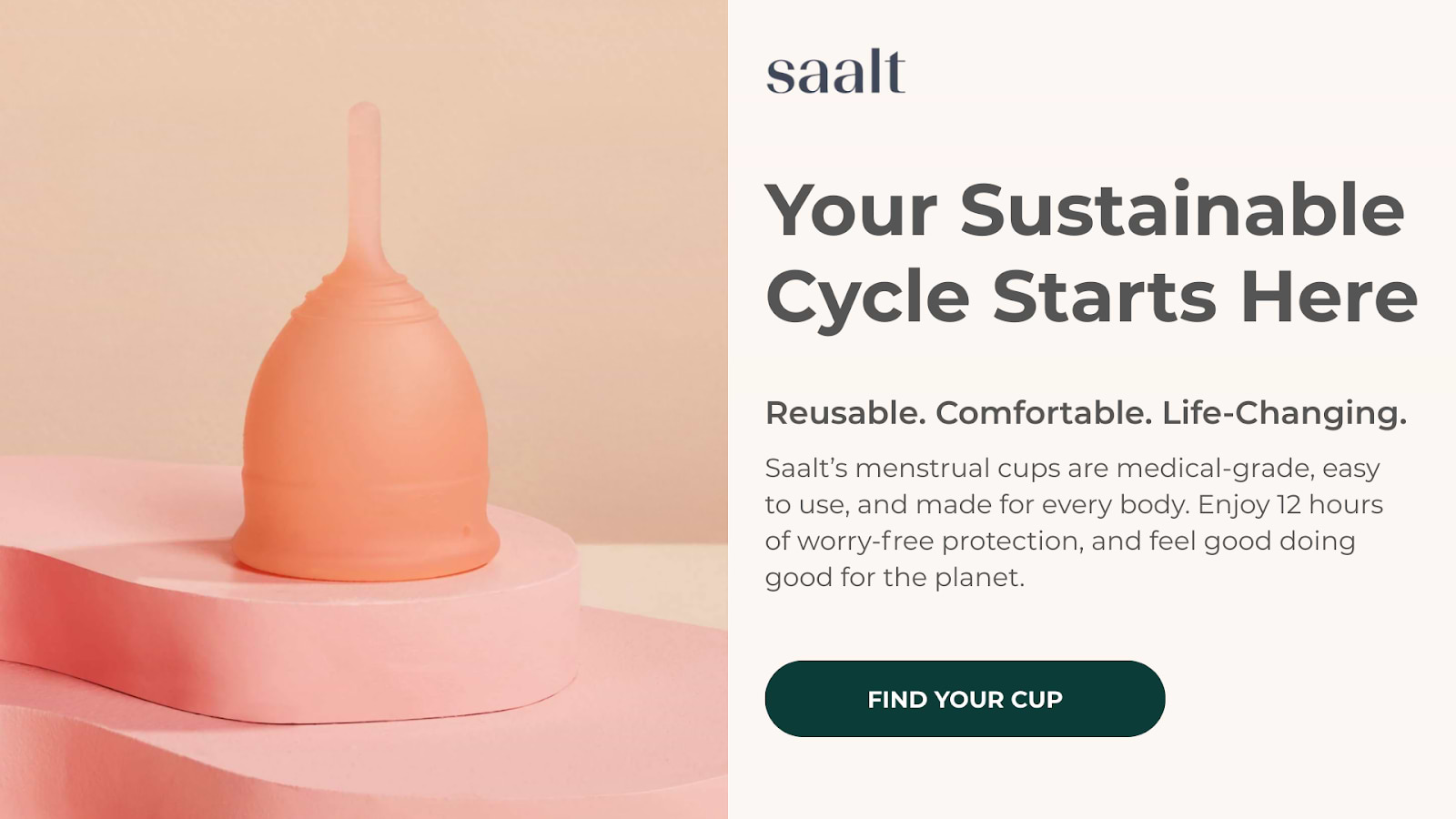
Safety Facts Every Beginner Should Know
Switching to a reusable menstrual cup for the first time can feel like stepping into uncharted territory. But don't worry—these products are designed with your safety in mind. Here are the essential safety facts every beginner should have on their radar:
1. Medical-Grade Materials Matter Look for menstrual cups made of medical-grade silicone or TPE (thermoplastic elastomer). These materials are hypoallergenic, non-toxic, and designed to minimize risk of irritation or allergic reaction. If you have a latex allergy, steer clear of latex-based options.
2. Proper Cleaning Is Key Before the first use and between cycles, always sanitize your cup by boiling it in water for 5–7 minutes (check the manufacturer's instructions for specifics). During your period, rinse thoroughly with mild, unscented soap and water each time you empty it to keep bacteria away.
3. Respect the 12-Hour Rule Most menstrual cups can safely be worn for up to 12 hours at a time, depending on your flow. Don't leave a cup in for longer than recommended—empty and clean it at least twice daily to avoid the risk of infections like toxic shock syndrome (TSS). (Mayo Clinic)
4. Check for Comfort A menstrual cup should never be painful. If you notice discomfort, leaking, or difficulty inserting/removing the cup, you might need to try a different size or shape, or troubleshoot insertion. Listen to your body and remember to seek advice from healthcare professionals.
5. Know When to Replace It With proper care, a menstrual cup can last several years, but check regularly for signs of wear—like cracks, a sticky texture, or persistent odor. If you notice any of these, replace your cup to keep things safe and hygienic.
Understanding these safety basics helps ensure a smooth, confident transition to using menstrual cups, and empowers every beginner to focus on comfort and well-being.
Finding the Right Size and Firmness for Young Users
Selecting the best menstrual cup for teens is easier when you know what to look for. Since everyone’s body is different, choosing the right size and firmness plays a big part in comfort and confidence.
For teens and younger users, small sizes, like a teen cup, are usually the best starting point. Look for menstrual cups marketed as “mini,” “teen,” or “small.” These are designed to be narrower and shorter, making them easier to insert and remove, which is perfect for first-timers.
The firmness of the cup matters too. Softer menstrual cups, like a soft cup, are typically more comfortable, especially if teens are new to cups or have sensitive bodies. They offer a gentle seal and are less likely to press against the vaginal walls, which is helpful for comfort during daily activities and sports. However, if a teen is very active or has a strong pelvic floor, a slightly firmer cup may pop open and seal better, helping prevent leaks.
It’s also useful to consider menstrual flow and cervix height before choosing a cup. Teens with a lighter flow can opt for a lower-capacity cup, while those with a heavier flow may prefer a slightly higher capacity. Measuring cervix height during a period (with clean hands) can help determine whether a shorter or longer cup is best; a short cup suits a low cervix, while a longer one fits a high cervix. This helpful tutorial shows how to measure your cervix height.
Features like grippy stems, rounded rims, and soft-touch materials can make cups easier and more comfortable. Ultimately, the right menstrual cup should fit well, feel comfortable, and allow teens to stay active and confident without worry. With a bit of research and patience, young users can find a menstrual cup that truly suits their needs.
Step-by-Step Insertion Guide for First-Time Users
Inserting a menstrual cup for the first time can feel daunting, but with patience and the right technique, it quickly becomes more comfortable. Here’s a concise step-by-step guide for teens and first-time users:
1. Wash Hands and Cup
Begin by washing your hands with soap and water. Next, rinse your menstrual cup with warm water and a gentle, fragrance-free cleanser to maintain hygiene.
2. Find a Comfortable Position
Experiment with different positions: sitting on the toilet, squatting, or standing with one leg raised. Choose whichever feels most natural.
3. Fold the Cup
The two most popular folds are:
· C-Fold: Flatten and fold the cup in half into a 'C' shape.
· Punch-Down Fold: Push one side of the cup’s rim down to form a narrower point.
Select the fold that seems easiest to insert.
4. Relax and Insert
Deep breaths help! Gently separate your labia and, holding the folded cup, insert it into your vagina, angling toward your tailbone.
5. Let the Cup Open and Check the Fit
Allow the cup to open up inside you. You may feel or hear a “pop” — this means it’s forming a seal. Hold the base (not the stem) and gently rotate to ensure it’s in place. When inserted correctly, you shouldn’t feel it at all.
6. Practice and Patience
It’s normal if you don’t get it right immediately! Many need a few tries to find their preferred technique. Stay patient and remember to empty and rinse your cup every 8-12 hours. With practice, insertion becomes much easier.

Making the Switch: Finding the Best Menstrual Cup for Teens
Choosing the best menstrual cups for teens doesn’t have to be overwhelming or stressful. With so many beginner-friendly options designed with younger bodies and first-time users in mind, it’s easier than ever for teens to find a fit that supports both their comfort and confidence. The most important things to consider? A cup that’s the right size, made from body-safe materials, and easy to use—so young people can get outdoors, pursue sports, or just get through class without worry.
At Saalt, our commitment goes far beyond making premium reusable menstrual products. We’re here to support teens as they take control of their menstrual health, with sustainability, inclusivity, and comfort at the heart of everything we do. Our mission is to help everyone—whether navigating the halls of high school, tackling the demands of new motherhood, or managing bladder leaks—ditch the backup plans and embrace leakproof freedom. When you choose a high-quality, eco-friendly cup, you’re not just making periods easier. You’re helping create a more sustainable, equitable future. Find the cup that fits your life and join us in leaving panicked sprints to the bathroom in the past—where they belong.
Read Also:
Frequently Asked Questions About the Best Menstrual Cups for Teens
What is a menstrual cup?
A menstrual cup is a small, flexible cup made from medical-grade silicone. It is inserted into the vagina to collect menstrual fluid and is emptied, rinsed, and reinserted usually every 8 to 12 hours. Menstrual cups are reusable, eco-friendly, and provide long-lasting, leakproof protection—making them a great option for teens.
Are menstrual cups safe for teens?
Yes! Menstrual cups are safe for teens as long as the instructions for use and cleaning are followed. Many teens use menstrual cups as a comfortable, reusable alternative to pads and tampons. It’s common for beginners to need a little practice with insertion and removal.
How do I choose the right size of menstrual cup as a teen?
Most brands offer a teen or small size perfect for younger users or those with lighter flows. If you are just starting your period or have a lower cervix, choose the smallest size available. Always check the brand’s sizing guide or speak to your doctor for personalized advice.
What features should I look for in a menstrual cup for beginners?
Look for a cup made from soft, flexible silicone for easy insertion. Features like a smooth rim, rounded base, and grip-friendly stem make removal easier. Smaller sizes with lower capacity are usually ideal for beginners and teens.
Are there menstrual cups specifically designed for teens?
Yes! Many brands, such as Saalt, offer menstrual cups designed just for teens. These are smaller, softer, and shaped for first-time users, making them easier and more comfortable to use as you learn what works best for your body.
Sources:
Grajkowski, A. (2022a, July 7). Menstrual cups: Why the recent increase in popularity? www.mayoclinichealthsystem.org. https://www.mayoclinichealthsystem.org/hometown-health/speaking-of-health/menstrual-cups-vs-tampons-things-you-might-not-know-about-the-cup


