


Key Takeaways:
- We’re all different – Tampons don't inherently worsen menstrual cramps, but individual experiences vary
- What causes cramping anyway? – Cramps are primarily caused by prostaglandins triggering uterine contractions
- Try something new – Experimenting with different menstrual products can help manage period discomfort
Do Tampons Worsen Cramps? Unraveling The Myths
It's time to tackle a period myth that could be causing unnecessary worry: the idea that tampons worsen menstrual cramps. As people juggle life's demands, the last thing needed is concern over whether a menstrual product is to blame for increased discomfort. The internet is rife with conflicting anecdotes, but what does science say?
Here at Saalt, we believe in empowering you with straightforward information. We produce top-quality, leakproof underwear and eco-friendly menstrual cups to revolutionize menstrual management—whether you're a teen, a new mom, or leading an active lifestyle. Our goal is to eliminate those frantic bathroom dashes and ensure you're equipped for your cycle with confidence and ease.
Let's cut through the details surrounding tampons and cramps. We're here to provide you with the solid facts and practical advice, so you can make informed choices that suit your body and lifestyle. Stay with us as we dive into this myth and offer solutions for a more comfortable period.
Understanding The Causes Of Menstrual Cramps
Your uterus works hard to shed its lining during your period–that's when cramps strike. Called dysmenorrhea, these pains are caused by contractions, driven by chemicals called prostaglandins.
“Menstrual cramps result from uterine muscle contractions caused by prostaglandins,” explains Dr. Mary Jane Minkin, OB-GYN at Yale University. High levels of these chemicals mean more severe contractions, leading to intense pain. Imagine your uterus dialing up the intensity, causing discomfort that can range from a nuisance to debilitating agony.
Prostaglandins can also narrow blood vessels around the uterus, limiting oxygen and ramping up the pain, similar to how your body might react during a stressful situation. Some people may experience spreading pain to the lower back or thighs, along with other symptoms like nausea or fatigue.
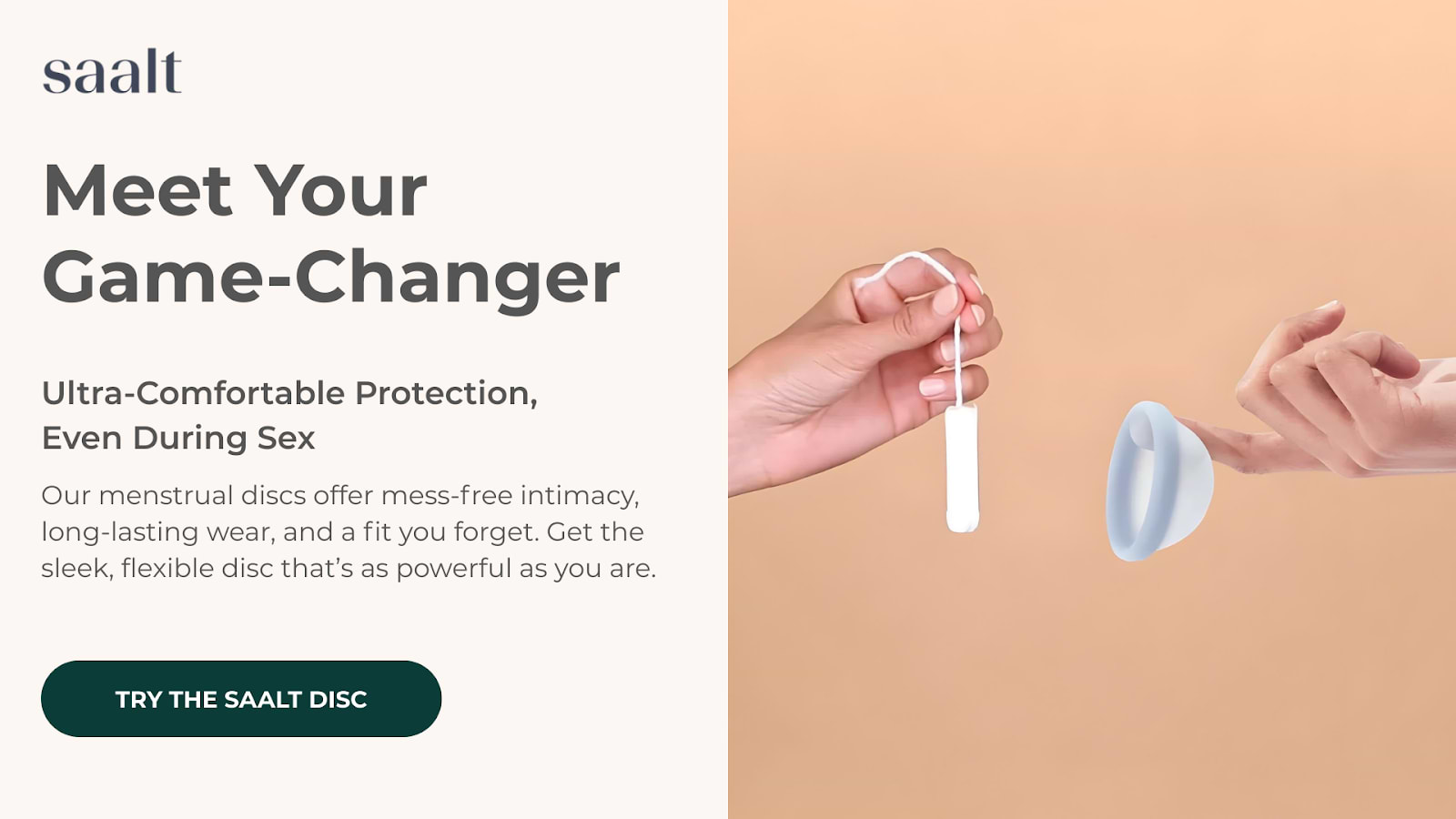
Hormonal shifts during your follicular phase also increase pain sensitivity. Conditions like endometriosis or fibroids, stress, and poor hydration can worsen cramps. The bottom line is that menstrual cramps are biological, not necessarily tied to your choice of menstrual products. However, cervical sensitivity due to low estrogen levels during menses can worsen cramping as tampons can put pressure against the cervix. To avoid this sensation, many people report switching to silicone menstrual cups or menstrual discs during their period. Additional cramping can be relieved as cups and discs do not put added pressure against the cervix when worn correctly. Also, making the switch to leakproof underwear can be a game-changer, avoiding inserted period products altogether.
Call To Action: Take Control Of Your Comfort With Saalt
Hey there, let’s talk real for a second. If you’re tired of the monthly dread of cramps, leaks, and the constant worry of whether your protection is holding up, it’s time to rethink your strategy. At Saalt, we’re all about empowering you through every stage of life—whether you’re a busy mom, navigating postpartum, staying active as you age, or supporting a teen through their first cycles. Our leakproof underwear is designed to keep up with you, no matter the flow or the day.
Here’s why you should make the switch to Saalt today:
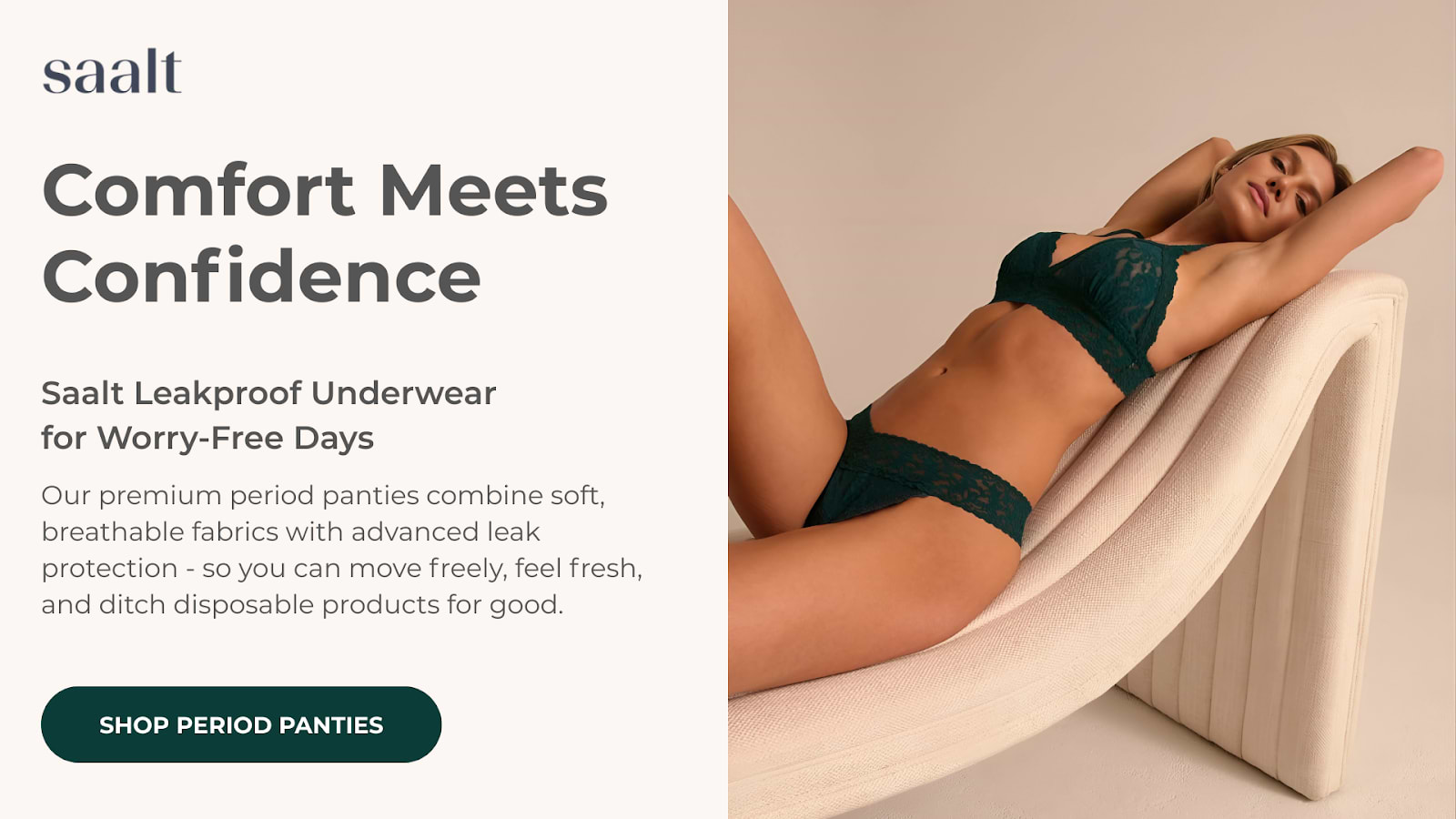
- No More Panic: Our premium leakproof underwear offers unbeatable absorbency in styles and sizes for every body, so you can ditch the emergency sprints to the bathroom.
- Comfort Meets Sustainability: Made without PFAs in the finishing process, our products are kind to your body and the planet. Plus, we’re a B-Corp committed to less waste.
- Period Equity Matters: With every purchase, 1% of our revenue supports global period equity initiatives—because everyone deserves dignity.
Join the Saalt community now. Say goodbye to sweaters-around-waists and sleeping on towels. Grab your pair of leakproof underwear and reclaim your confidence—period. Visit our site and let’s end the leaks together!
Understanding Tampons And Menstrual Cramps
Menstrual cramps are primarily due to uterine contractions, which help shed the uterine lining. These contractions are influenced by prostaglandins, and high levels can result in more severe pain. Amidst this, tampons have been speculated to exacerbate cramps by creating additional pressure within the vaginal canal. It's been theorized that tampons could press against the cervix or vaginal walls, potentially prompting the uterus to contract more forcefully.
However, scientific evidence to support this claim remains scarce. Tampons may cause discomfort if not inserted correctly or if they're too absorbent for one’s menstrual flow, which can be mistaken for increased cramping. “The tampon ‘wicks’ away the moisture from the menstrual cycle, but it can also absorb some of the vaginal moisture and vaginal flora (the normal bacteria that is typically in the vagina),” explains Melissa Goist, M.D., an OB/GYN at The Ohio State University Wexner Medical Center.
Although there's no concrete scientific backing that tampons intensify uterine contractions, some individuals report an increase in discomfort when using them. Personal experiences are varied, and if you find tampons uncomfortable, it's important to consider other menstrual products that might suit your body better.
Do Tampons Worsen Menstrual Cramps?
The oft-debated query of whether tampons exacerbate menstrual cramps is one steeped in personal anecdotes and lingering questions. As someone sifting through the noise for solid answers, let’s look at the scientific take and real-world experiences to get closer to the truth. There isn’t much research supporting a consistent correlation between tampon use and increased cramp severity. Yet many people anecdotally report discomfort. Why is that? “[If the tampon is] too large, it could cause discomfort,” and it may feel like cramps—“if the tampon isn’t far enough inside of you… it can cause some discomfort and pain,” notes Dr. Mary Jane Minkin. Some vaginal dryness or irritation from a tampon can feel like cramps. But Cleveland Clinic reinforces… “Tampons shouldn’t … worsen your menstrual cramps.” Still, if you feel pressure from a tampon, it’s important to listen to your body and make the switch to a period product that will support you better, like a soft cup or period underwear.
Nevertheless, many individuals report increased cramp discomfort when using tampons. Part of this could be psychological; an uncomfortable tampon might amplify one's perception of pain. An incorrectly sized tampon can be irritating, much like ill-fitting shoes can make you more conscious of every step. This discomfort combined with potential irritation or dryness from tampon use could heighten the overall sensation of pain during menstruation.
Also worth noting is the distinction between correlation and causation. For instance, if you use tampons primarily during the heaviest days of your period, which can coincide with more intense cramps, it might be easy to point fingers at the tampon when, in actuality, it's merely present at the scene. However, on the contrary, some individuals find tampons to offer relief, suggesting that the right fit and product can play a role in managing menstrual discomfort.
In light of this, we're faced with a balance of evidence and individual preference. While there’s no hard science to support the notion that tampons make cramps worse, your personal comfort and experiences are valid. If you suspect tampons are not for you, listen to your body. Try different menstrual products and track how you feel to find what eases your cramps most effectively. Remember, when it comes to your period, there's no blanket rule; it's about finding what personally works for you.
Understanding Tampons: An Overview Of Functionality And Comfort
Tampons are a mainstay in menstrual care, offering a subtle and practical solution for managing menstrual flow. Made chiefly from cotton, rayon, or a blend, tampons are designed to be inserted into the vaginal canal, where they absorb blood before it exits the body. Each tampon comes with a string for easy retrieval, and when used correctly, they offer several hours of leak-proof protection.
The way tampons interact with your body goes beyond simple absorption. As a tampon collects menstrual fluid and discharge/cervical fluid, it expands, exerting a light pressure against the vaginal walls. While most individuals find this sensation imperceptible, those with sensitive pelvic floors or who commonly experience menstrual cramps may feel added discomfort due to this pressure. The contracting uterus, working to expel blood and tissue during menstruation, could have its sensations intensified by the expansion of the tampon.
Tampons can also contribute to vaginal dryness, as they absorb both menstrual fluid and natural moisture. A too-dry tampon can cause irritation upon removal, and in extreme cases, even micro-tears. It's crucial to note that tampon usage doesn't invariably exacerbate cramps for all users. Research, including that in the Journal of Women’s Health, provides mixed evidence. Some individuals notice no change in their menstrual pain when using tampons, while others report increased intensity of cramps—a variance likely influenced by personal anatomy and pain threshold. Super-absorbent tampons, in particular, are liable to cause irritation compared to lower absorbency options that better match one’s flow.
If you suspect tampons might be exacerbating your menstrual discomfort, try experimenting with varying absorbencies or changing your insertion technique. Keep track of your body's response to pinpoint what alleviates or aggravates your cramps—understanding such nuances can make all the difference. With periods already challenging enough, finding the right menstrual product can eliminate one more worry from your list.
Make The Switch: Tampons, Cramps, And Finding Your Comfort With Saalt
So, do tampons make cramps worse? As we’ve sifted through the myths and science, it’s clear there’s no universal answer—your body, your experience, and your choice of products play a huge role. While some people might feel heightened discomfort with tampons, others find no difference at all. The key is listening to your body and experimenting with what works best for you.
If tampons aren’t your vibe, or if you’re just tired of the hassle and single-use plastics/products, not to mention potential leaks, consider switching to a sustainable, worry-free alternative. At Saalt, we’re all about empowering you through every phase of life—whether you’re a busy mom, navigating postpartum, or staying active as you age. Our leakproof underwear, crafted without harmful PFAs and designed for all kinds of leaks (periods, bladder, or discharge), offers comfort and security in a variety of styles and absorbencies. Plus, as a B-Corp committed to sustainability and period equity, we donate 1% of our revenue to global impact programs.
Here's A breakdown Of Menstrual Cups & Discs: Scientific And Practical Insights:
Menstrual Cup
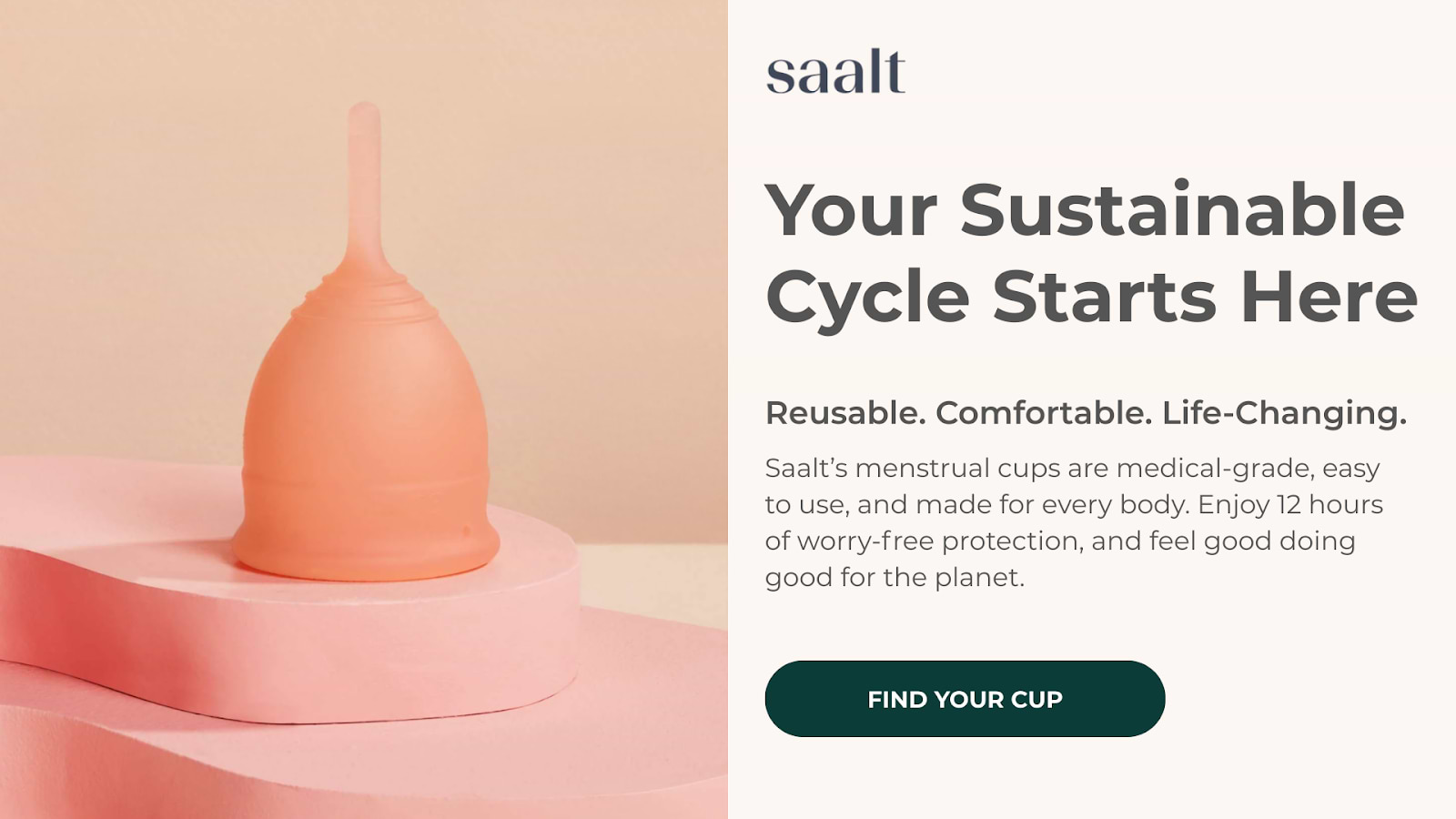
- Made of medical-grade silicone, sits lower in the vaginal canal, collects (not absorbs) blood and fluid maintaining your natural pH and moisture levels.
- Can hold up to 30 ml—best menstrual cups can be worn up to 12 hours
- Causes less dryness compared to tampons.
- Requires proper insertion and removal for comfort—Saalt’s guide: “how to insert a menstrual cup” ensures this.
Menstrual Disc
- Flat, flexible, and reusable disc positioned under the cervix.
- Often more comfortable than cups for some users
- Higher capacity (~50 ml), compatible with period sex, unlike cups
Decision guide—menstrual cup vs. disc:
- Cups = reusable, eco-friendly, available in original firmness and soft cup
- Discs = reusable, higher capacity, one-size-fits-most, and sex-friendly
No more panicked sprints to the bathroom or sleeping on towels. With Saalt, you’ve got premium, reusable options that don’t break the bank. Try us out, and let’s end the stress of leaks together.
Read Also:
- Toxic Metals in Tampons: Saalt Answers the Call for Safer Choices in Period Care
- Menstrual Cups & Discs: An Alternative To Tampons & Pads
- TSS: What You Need to Know and How to Prevent It
FAQs About Tampons And Cramps
Could the Size of the Tampon Affect Cramp Intensity?
Hey there, let’s dive into this one. The size of the tampon you’re using can indeed play a role in how your body feels during your period. If you’re using a tampon that’s too large for your flow, it can create unnecessary pressure inside your vaginal canal, potentially amplifying those dreaded cramps. Think of it like wearing shoes that are too tight—your body just isn’t happy. Opt for a tampon size that matches your flow (light, regular, or super) to keep things comfortable. And if you’re looking for a gentler alternative, consider switching to Saalt leakproof period underwear. Our range of absorbencies and sizes ensures you’ve got a cozy, pressure-free option for any day of your cycle.
How Do Tampons Potentially Contribute to Cramping?
Alright, let’s break this down. Tampons don’t directly cause cramps—those are mostly thanks to your uterus contracting to shed its lining. But here’s the catch: tampons can sometimes make cramps feel worse by irritating the vaginal walls or cervix, especially if they’re not inserted properly or if they’re too dry when removed. This irritation can send a signal to your already overworked uterus, ramping up the discomfort. If you’ve noticed this happening, try using a lower absorbency or switching to a reusable option like Saalt menstrual cups or discs for a smoother experience. Plus, with Saalt, you’re cutting down on waste while keeping comfort front and center.
Do Certain Tampon Materials Irritate More Than Others?
You bet they can. Not all tampons are created equal, and the materials matter. Some tampons are made with synthetic fibers or harsh chemicals that can irritate sensitive tissue, potentially worsening cramps or just making you feel off. Organic cotton tampons or those free from fragrances and dyes may offer a safer bet for minimizing irritation. However, a 2024 study from U.C. Berkeley found toxins, including arsenic, in all the tampons they tested. But if you’re looking to ditch the guesswork altogether, Saalt leakproof underwear is crafted without PFAs in the finishing process, offering a skin-friendly, sustainable solution that supports you through every stage of life, whether you’re a busy mom, postpartum, or staying active as you age. Saalt menstrual cups and discs are made from medical-grade silicone that is FDA-regulated and compliant. Cups and discs never absorb your natural fluid, and are soft and form to the natural shape of your vaginal canal. Say buh-bye to dry cotton.
Can Changing Tampon Brands Reduce Cramping?
Here’s the deal: switching brands might just be the tweak you need. Different brands use different materials, designs, and absorbency levels, and your body might vibe better with one over another. If you’re feeling extra crampy, experiment with a brand that prioritizes softer, hypoallergenic materials or a different shape. But let’s be real—tampons aren’t the only game in town. At Saalt, we’re all about giving you premium, reusable options like our menstrual cups and leakproof period underwear. Designed to end those panicked bathroom sprints and awkward sweater-around-the-waist moments, Saalt products are here to support period equity and keep you comfy, no matter where life takes you.
How Can I Transition Off Tampons?
Know your flow – try to match absorbency and choose the right size tampon or period cup to reduce pressure. Here’s the girl math – let’s say you go through 5 regular tampons on your heavy day. Each regular tampon holds 5 mL fluid. 5 x 5 = 25 mL. One Saalt Cup holds up to 30 mL fluid, so you can easily swap out your tampons and wear a Saalt Cup for all-day protection. Remember, your Saalt menstrual cup can be worn for up to 12 hours. So go ahead, insert it, and forget about it. Reusable menstrual products, like period cups and period discs, come with a learning curve for some. Practice correct insertion: choose the best fold for you, angle your cup or disc toward the tailbone, rotate to seal, and place. Using a water-based lubricant during the learning phase can come in really handy to avoid friction while you learn proper placement. And track your symptoms—note whether cramps reduce or persist after making the switch.
What Helps With Period Cramps?
Beyond product choice, here are a few options that might help:
- Over-the-counter NSAIDs (like ibuprofen) reduce prostaglandins. If you’re unsure of how much to take, first follow the instructions on the label, and if symptoms persist, reach out to your physician for extra guidance based on your unique body and circumstances.
- Heat therapy: Many people report that heating pads or baths relax uterine muscles. Rice or corn bags that can be warmed in the microwave are also great because they are reusable and portable.
- Exercise—even light movement boosts blood flow. We get it - you don’t always want to be exercising when you feel crampy. However, sometimes during your period, light exercise is one of the most beneficial things you can do to move your body, improving circulation and decreasing cramps. However, listen to your body. Because overdoing it might leave you feeling worse.
- Hydration and a balanced diet can reduce cramps. In a 2022 Cleveland Clinic article titled “Why Are You Dehydrated? 8 Common Reasons,” emergency medicine physician Baruch Fertel, MD, states that while many people think they’re drinking enough, they often still come up short, meaning moderate dehydration is far more widespread than most assume.
- For persistent pain, consult a doctor—conditions like endometriosis, PCOS, or fibroids may be at play. While menstrual cramping may happen from time to time, persistent painful menstrual cramps that keep you from living your life aren’t the norm. Ask for help if you think this might be you.
Resources & Further Reading:
- CVS Healthline. (2025, February 26) Severe Period Cramps: What’s Normal and What’s Not. https://www.cvs.com/learn/health/womens-health/menstrual-cramps
- Self. (2016, May 31) Your Tampons Could Be Drying Out Your Vagina. https://www.self.com/story/your-tampons-could-be-drying-out-your-vagina
- Well and Good. (2023, October 25) We Asked OB/GYNs Why We Sometimes Get Cramps After Inserting a Tampon. https://www.wellandgood.com/health/tampon-cramping
- Cleveland Clinic. (2022, June 8) Why Are You Dehydrated? 8 Common Reasons. https://health.clevelandclinic.org/why-am-i-dehydrated
- Cleveland Clinic. (2022, September 12) Debuking Common Myths About Tampons. https://health.clevelandclinic.org/common-misconceptions-about-tampons


