

Key Takeaways:
-
Hormones and Pain: Hormonal shifts and pelvic floor tension contribute significantly to period-related vaginal pain, with estrogen dips and prostaglandins rising, leading to increased sensitivity and discomfort.
-
Spot Key Symptoms: Identifying the difference between vaginal soreness and uterine cramps, understanding coexisting conditions, and recognizing symptoms such as infections or pelvic floor dysfunction can help manage and alleviate pain.
-
Ease Period Pain: Employing relief strategies such as lubrication, heat therapy, gentle pelvic floor care, and choosing suitable products can significantly reduce discomfort and improve the overall period experience.
If your period brings more than just cramps—like vaginal pain or soreness—you’re not alone, and it’s not “all in your head.” Hormones shift throughout your cycle, and during your period, rising prostaglandins and falling estrogen can cause inflammation, increased sensitivity, and tension in your pelvic floor muscles. Add friction from pads, dryness from hormonal changes, or a minor infection, and vaginal pain becomes an all-too-common symptom.
Other factors may make things worse: irritation from tampons or menstrual discs, vulvodynia (chronic vulvar pain), (Cleveland Clinic) and pelvic floor dysfunction (common postpartum or during perimenopause). External stress, active lifestyles, and even changes in hygiene habits can contribute, too.
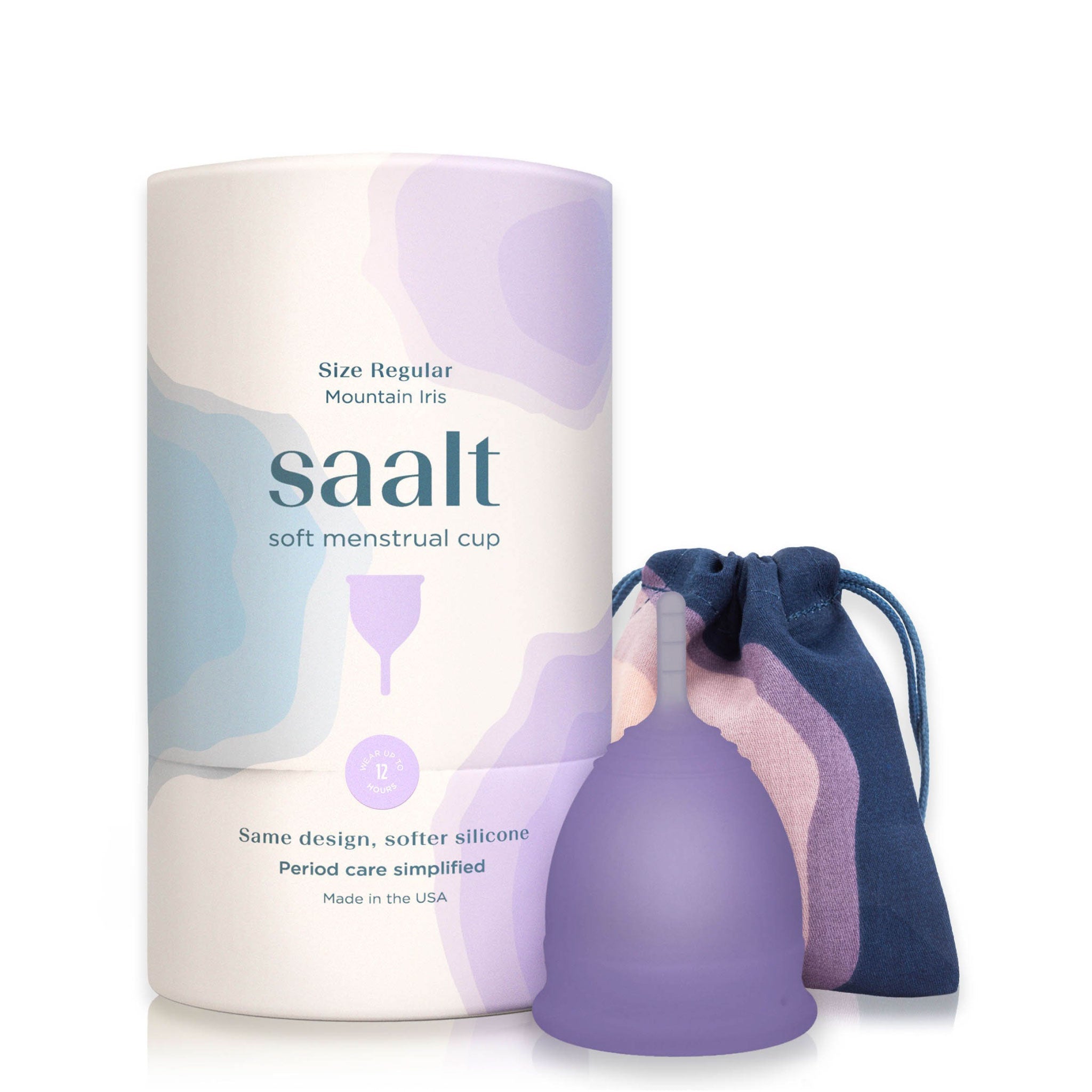
The good news: relief is possible. Switch to gentle, breathable period products (like Saalt soft cups, reusable menstrual discs, or leakproof underwear), and consider using water-based lubricants or barrier balms to soothe dryness and reduce friction. Pelvic floor stretches, heat therapy, and warm baths can ease muscle tension. Notice any unusual symptoms—burning, itching, severe pain, or unusual discharge? That’s your cue to see a healthcare provider.
At Saalt, we understand these issues at every life stage—first period, postpartum, or perimenopause—and we design premium, comfy period solutions to help you feel confident and protected. Understanding why your vagina hurts during your period is the first step toward lasting relief and a better cycle. With simple swaps and self-care, you can move through your period with less pain and more peace of mind.

Understanding Period-Related Vaginal Pain
Period cramps get most of the attention, but vaginal pain or soreness during your period is common and worth understanding. Here’s why it happens:
-
Hormonal shifts: Changes in estrogen and prostaglandins increase pain sensitivity, making vaginal tissues, the vulva, or cervix feel sore or tender.
-
Pelvic floor tension: Chronic clenching due to cramps or stress can cause a “bruised” or achy feeling, heaviness, or pain with insertion (pads, tampons, sex).
-
Increased blood flow: More blood to the pelvis can cause swelling and friction, making underwear, pads, or tight clothing feel uncomfortable.
-
Cervical changes: The cervix softens and opens for menstruation, sometimes causing aching, sharp twinges, or pain during bowel movements.
-
Vaginal dryness: Estrogen dips may dry out the vaginal lining, increasing irritation, especially if you’re postpartum, breastfeeding, or perimenopausal.
-
Other conditions: Endometriosis, pelvic floor dysfunction, or infections (yeast, BV) may worsen period soreness. If pain is sharp, persistent, or new, consult a clinician.
What this feels like: Soreness, stinging with insertion, pelvic heaviness, or friction sensitivity—most resolve after your cycle ends.
If pain disrupts daily life, comes with fever, foul discharge, or worsens over cycles, seek medical advice. Tracking your symptoms can help pinpoint causes and guide treatment, so you can find targeted relief and feel more in control of your cycle.
Take Back Your Cycle with SaaltWhen your period or bladder leaks turn a normal day into a logistics operation, you need gear that keeps up. Saalt’s leakproof period underwear, period cups, and period discs are built for real life—school drop-offs, workouts, cross-country flights, and everything in between. Here’s how to get reliable comfort without the panic sprint.
Ready to stop planning your life around bathrooms? Explore Saalt’s leakproof period pants, cups, and discs and turn “what if” into “I’ve got this.” Shop now and get back to living on your terms. |
Hormonal Shifts That Heighten Sensitivity
Hormonal changes around your period don’t just affect your schedule—they also impact sensitivity. As estrogen drops and prostaglandins surge before and during menstruation, the vaginal and pelvic floor tissues often become more tender and reactive.
-
Estrogen dip = less cushion. Lower estrogen means less elasticity and natural lubrication. This can make tissues feel dry and more sensitive to friction from pads or underwear.
-
Prostaglandin surge = more cramps. These chemicals trigger uterine contractions but can also irritate nearby nerves, leading to soreness in the lower abdomen, back, and vulva.
-
Fluid shifts = pressure. Hormonal changes cause water retention, creating a heavy, pressured feeling in the pelvic region—amplified if you’re post-partum or perimenopausal.
-
Serotonin dip = lower pain threshold. Hormonal changes can lower serotonin, making you more sensitive to discomfort.
To ease soreness:
-
Use a warm bath or heating pad on the lower belly or perineum.
-
Apply a little water-based, glycerin-free lubricant if dryness causes discomfort.
-
Start NSAIDs at the first sign of cramps (as directed by a healthcare provider).
-
Practice gentle hip-opening stretches and breathing exercises.
-
Wear soft, seam-free, breathable underwear and avoid tight waistbands.
If soreness is severe, persistent, or accompanied by unusual symptoms (discharge, fever, pain with urination), consult a healthcare provider to rule out infections or other issues.

Vaginal vs Uterine Cramps: How to Tell the Difference
Unsure if your cramps are uterine or vaginal? Here’s how to tell them apart:
-
Location:
o Uterine cramps: Felt as a deep, central ache low in the abdomen, sometimes radiating to the lower back or thighs.
o Vaginal cramps: Localized soreness or sharpness near or inside the vaginal canal, especially during insertion, sitting, or with friction.
-
Characteristics:
o Uterine: Rhythmic, wave-like pain often coinciding with heavy bleeding, improving as flow lightens.
o Vaginal: Constant tenderness, stinging or pulling, worse with dryness, chafing, or the use of tampons.
-
Other signs:
o Uterine cramps may bring nausea, headaches, or fatigue.
o Vaginal issues can include burning, itching, unusual discharge, or pain with insertion.
-
Relief check:
o Heating pads, light exercise, and NSAIDs help uterine pain.
o Pelvic floor stretches and lubrication are better for vaginal pain.
-
When to seek help: Severe, increasing uterine pain may signal fibroids or endometriosis. Vaginal pain with fever, foul odor, or sudden sharp pain could suggest infection.
Summary: Uterine cramps are deep, central, and rhythmic. Vaginal pain feels more surface-level or sore, worsening with friction or insertion. Track your symptoms for clearer patterns and consult a healthcare provider if pain is severe or unusual.
Yeast Infections That Flare Around Menstruation
If you notice vaginal itching, soreness, or thick discharge during your period, you may be experiencing menstrual-related yeast infection flare-ups. This is common and rooted in normal hormonal changes. As estrogen drops just before menstruation, your vaginal pH may rise, making it easier for yeast (Candida) to overgrow. Menstrual blood can further increase pH and feed yeast with extra iron and nutrients—fueling symptoms right when your period starts.
Common symptoms:
-
Intense itching or burning, especially at the vulva
-
Soreness or a raw, chafed feeling
-
Thick, white, cottage-cheese-like discharge (may be absent in some)
-
Pain with urination or sex (from irritated tissue)
To find relief:
-
Use an over-the-counter antifungal cream or suppository as directed. Seek prescription help if symptoms persist or are recurrent.
-
Apply a plain, unscented barrier ointment (like petrolatum) to soothe external skin.
-
Choose fragrance-free, breathable period products, and change them frequently.
-
Avoid scented washes and wipes; use only water or gentle, pH-balanced cleanser externally.
-
Consider probiotics to support vaginal health, though evidence is mixed.
-
If using inserted reusable products like menstrual cups or discs, make sure to sanitize properly before storing them away so as not to reintroduce candida to your vagina at a later time.
Contact your healthcare provider if you get yeast infections more than three times a year, don’t improve with treatment, or have new sexual partners, pelvic pain (American Family Physician), or unusual symptoms. Managing stress, getting enough sleep, and prioritizing hygiene can help keep flares at bay.
Bacterial Vaginosis and Period Discomfort
Bacterial vaginosis (BV) can make period discomfort worse for many people. BV occurs when the balance of bacteria in the vagina is disrupted—often from hormonal changes, menstrual blood temporarily raising vaginal pH, and habits like using scented period products or douching.
Symptoms of BV may become more noticeable during your period. Look for:
-
Thin, grayish vaginal discharge
-
Fishy odor, especially around menstruation
-
Mild irritation, occasional burning, or soreness
BV isn’t the same as a yeast infection—yeast infections usually cause thick, itchy discharge. BV discharge is thinner and less itchy, but often has a stronger odor. BV is not considered a classic STI, but it can raise the risk for STIs by disrupting the body’s natural defenses.
To get relief:
-
See a clinician for proper testing and prescription treatment (oral or gel antibiotics work best).
-
Avoid using douches, scented washes, or fragranced pads and tampons.
-
Change pads or tampons regularly—every 4–8 hours.
-
Ask about probiotics or pH-restoring products for aftercare.
Contact a healthcare provider if you have severe pain, fever, very heavy bleeding, or if symptoms return quickly. If BV occurs with each period, keep track and discuss with your provider for prevention strategies.
With the right steps, you can manage BV and period discomfort, restoring comfort and vaginal health each month.

The Bottom Line
Vaginal soreness during your period is common, but it shouldn’t be brushed off or endured in silence. From hormonal shifts and pelvic floor tension to friction, dryness, and underlying conditions like endometriosis, there are multiple reasons your vagina might ache when your cycle hits. The good news: you have options. Track your symptoms, tweak what you can control (like lubrication, movement, and stress), and loop in a clinician if pain escalates, lingers beyond your period, or interferes with daily life.
Small changes can create big relief—hydration, heat therapy, gentle stretching, and choosing breathable, supportive underwear that reduces irritation and keeps moisture in check. Saalt leakproof period underwear is designed to help you stay active and comfortable through every phase—postpartum, perimenopause, teen years, and beyond—without the bulk or worry. Pair with a menstrual cup or disc to cut down on friction and bathroom sprints while keeping your routine intact.
Your body’s signals are a story worth listening to. When you treat soreness as a solvable puzzle—identify the triggers, test a fix, measure the difference—you reclaim your comfort and your calendar. You deserve products that support you, information that empowers you, and cycles that don’t run the show.
Read Also:
-
Why You Feel So Tired During Your Period - And What You Can Do About It
-
Why Do You Get Night Sweats During Your Period? A Hormonal Breakdown
-
Why Does Sex Feel Different During Different Phases of the Menstrual Cycle
FAQs About Vaginal Soreness During Your Period
Is vaginal pain during menstruation normal?
Yes—many people experience some level of vaginal soreness or pressure during their period. Menstrual cramps originate in the uterus, but pain can radiate to the vagina, vulva, lower back, and inner thighs thanks to shared nerve pathways and pelvic floor tension. (Mayo Clinic) Mild, short-lived soreness tied to the heaviest flow days is common. That said, pain that’s sharp, persistent, worsening, or interfering with daily life isn’t something you have to “tough out.” Track when it happens, note any triggers (tampon use, intercourse, exercise), and talk to a clinician if it’s severe or new.
What causes vaginal pain during periods?
Several period-related factors can lead to vaginal soreness:
-
Pelvic floor tension: Cramping and stress can cause the pelvic floor muscles to tighten, creating a heavy, achy, or “pressure” feeling in the vagina.
-
Prostaglandins: These hormone-like chemicals drive uterine contractions and can intensify cramping and referred pain to the vaginal area.
-
Vulvar sensitivity and friction: Increased moisture, pad friction, or overly absorbent products can irritate delicate skin, especially during heavy flow.
-
Vaginal dryness: Hormonal shifts can dry tissues for some people, causing stinging or burning with tampons or intercourse.
-
Cervical changes: The cervix is slightly more open during menstruation; sensitivity here can feel like deep vaginal soreness.
-
Underlying conditions: Endometriosis, adenomyosis, fibroids, pelvic inflammatory disease, or vulvodynia can worsen pain during periods.
Quick relief ideas:
-
Heat therapy on the lower abdomen or perineum
-
NSAIDs like ibuprofen (if safe for you) started at the first sign of cramps
-
Pelvic floor drops: slow inhales with relaxed belly, long exhales to cue pelvic floor relaxation
-
Switch up products: Try soft, flexible internal options or leakproof underwear to reduce friction
-
Gentle movement: Walking, light stretching, or a warm bath to ease muscle tension
Can hormonal changes cause vaginal pain?
They can. Estrogen and progesterone fluctuate across your cycle. In the late luteal phase and during menstruation, lower estrogen can:
-
Reduce natural lubrication, contributing to dryness and irritation
-
Increase overall pain sensitivity
-
Affect pelvic floor tone, leading to tightness and aching
If dryness is a big trigger, consider:
-
Water-based or aloe-based lubricants for comfort with tampons or intercourse
-
Hydrating vulvar moisturizers (fragrance-free) on external tissue
-
Lower-friction period care like soft cups or leakproof underwear to minimize chafing
Can vaginal pain be a sign of infection?
Sometimes. While cycle-related soreness is common, pain accompanied by the following may point to infection or another condition:
-
Unusual discharge (green, gray, or cottage-cheese-like), strong odor
-
Burning with urination, itching, or pronounced redness/swelling
-
Fever, pelvic pain that’s sharp or worsening, pain with sex
-
Breakthrough bleeding or spotting unrelated to your typical cycle
Common culprits include yeast infections, bacterial vaginosis, STIs, or urinary tract infections. If you have these symptoms, or if your pain is severe or new, seek medical care for testing and treatment.
If you prefer lower-irritation period care while you sort things out, Saalt’s Period Panties can help you skip internal products and reduce friction. It’s available in multiple absorbencies and styles, made without PFAS in the finishing process, and designed for comfort across life stages—from first period to postpartum to perimenopause.
Sources:
-
American Family Physician. (2010, July 15) Evaluation of Acute Pelvic Pain in Women. https://www.aafp.org/pubs/afp/issues/2010/0715/p141.html
-
Cleveland Clinic. (2022, December 27) Vulvodynia. https://my.clevelandclinic.org/health/diseases/17878-vulvodynia
-
Mayo Clinic. (2022, April 30) Menstrual Cramps. https://www.mayoclinic.org/diseases-conditions/menstrual-cramps/symptoms-causes/syc-20374938